World
Saudi Arabia, Turkey and Pakistan sign mutual defense pact in Mecca
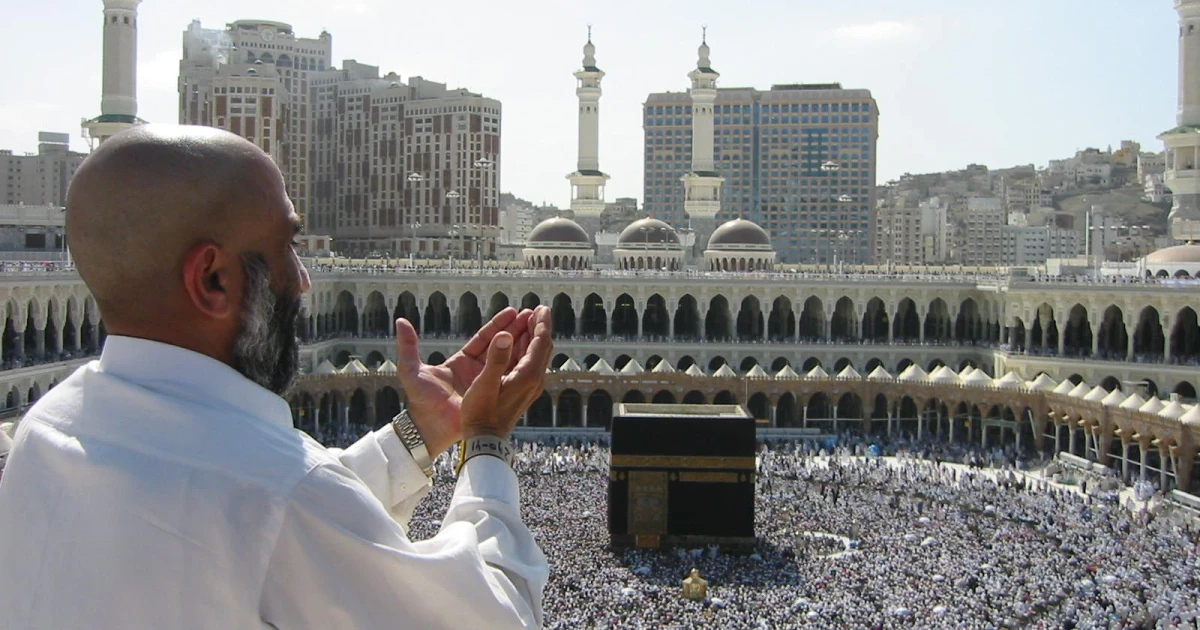
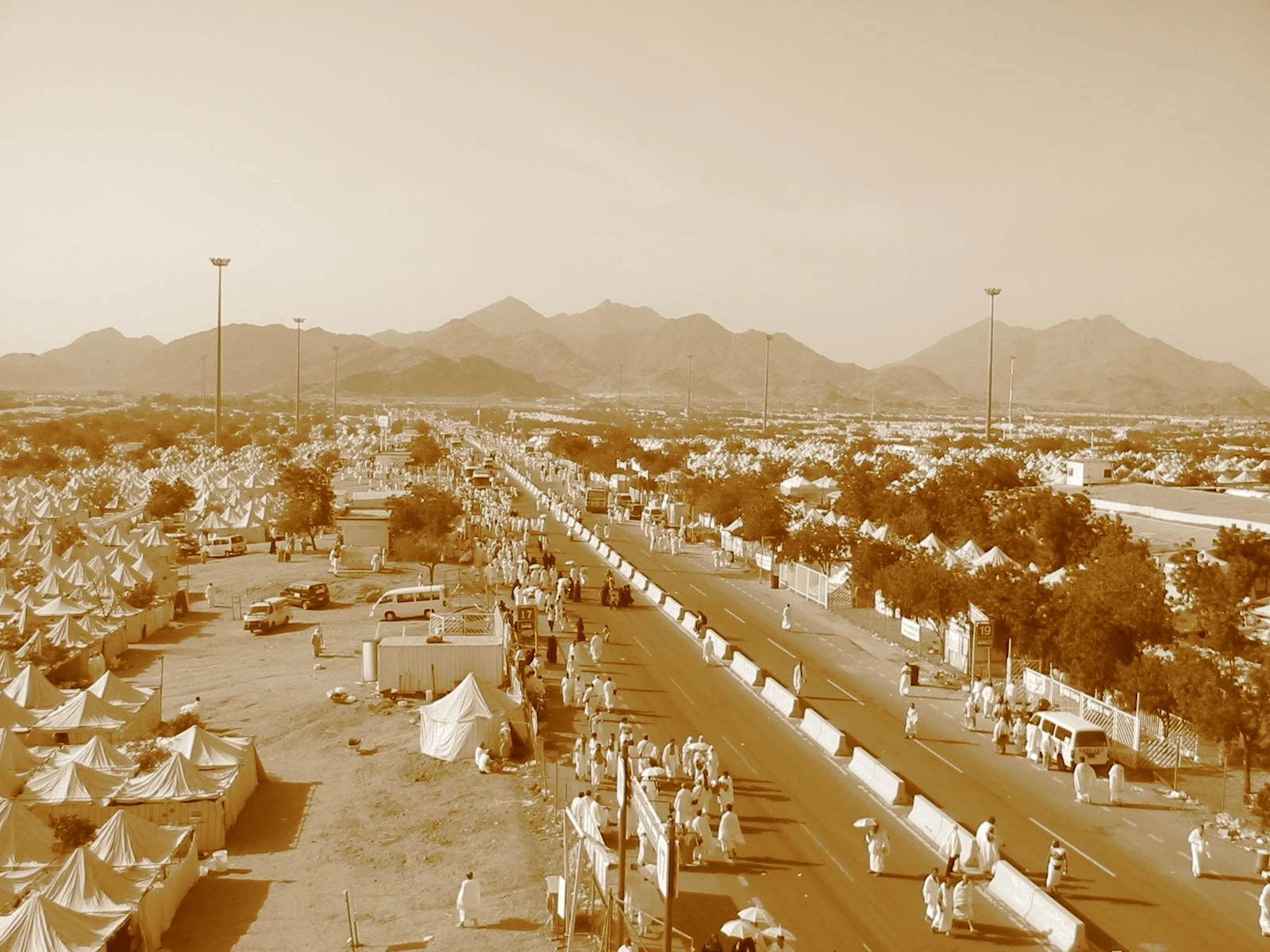
Saudi Arabia, Turkey and Pakistan signed a mutual defense agreement in Mecca on Friday, creating a new trilateral security arrangement as regional tensions sharpened across the Middle East. The joint statement said any act of aggression against one signatory would be treated as an attack on all three, a public commitment that instantly put the three governments into a closer security orbit.
The pact tied together three influential Muslim-majority powers with different strategic strengths. Saudi Arabia brought Gulf wealth, religious stature and energy-market leverage; Turkey added military reach, NATO experience and regional diplomatic influence; Pakistan contributed a large army, nuclear capability and long-standing ties across the Middle East and South Asia. Turkish President Recep Tayyip Erdogan, Saudi Crown Prince Mohammed bin Salman and Pakistan Prime Minister Shehbaz Sharif were pictured together after the signing, underscoring the political weight of the announcement.
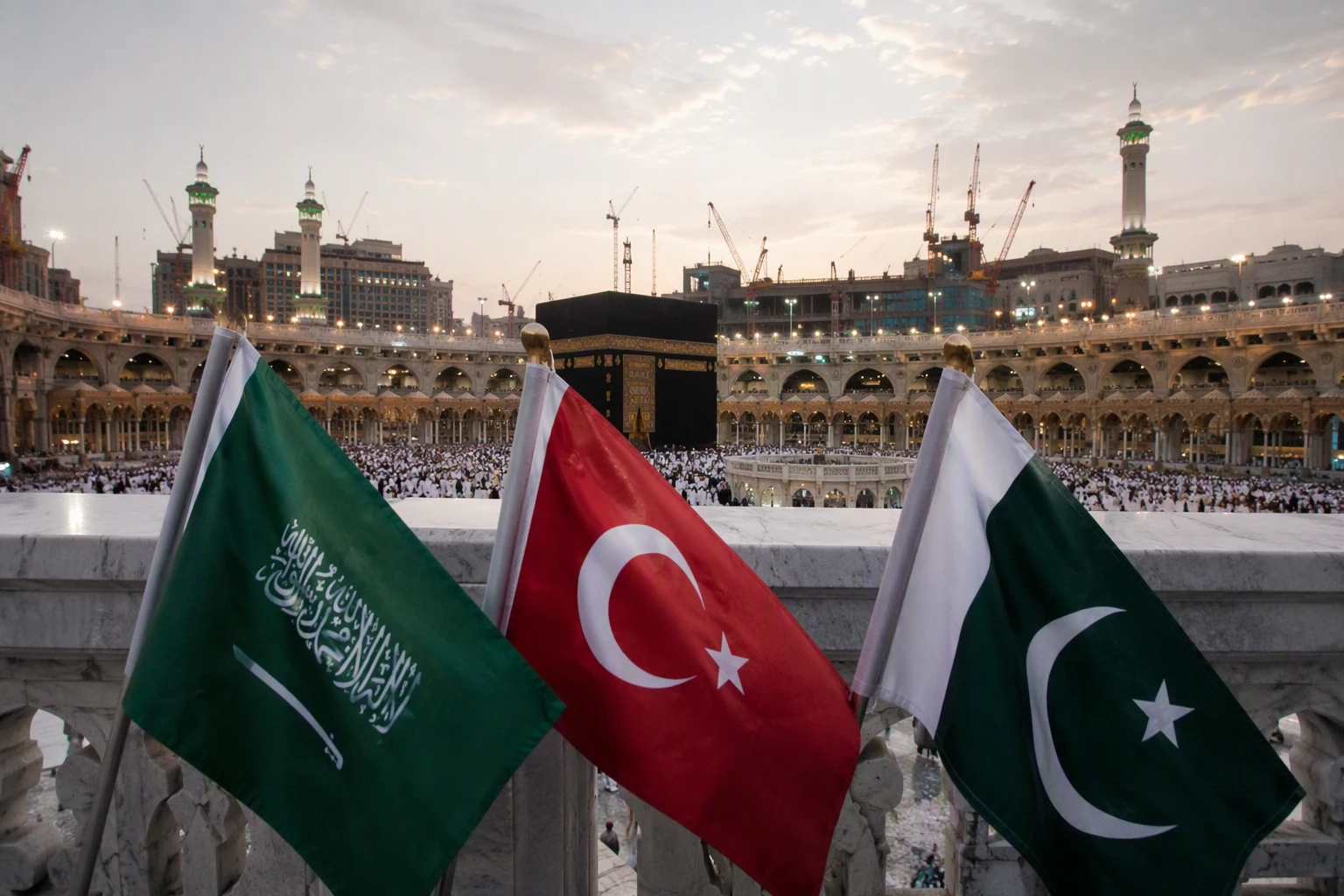
What the agreement did not say is as important as what it did. The statement did not specify what military action, if any, would follow if one of the three countries came under attack, and it did not bind the governments to any particular response. That ambiguity makes the pact look less like a finished war plan than a deterrent umbrella, one that could allow intelligence-sharing, consultation and political coordination without forcing an automatic military commitment. France 24 described the same gap in the language of the joint statement, and the agreement was also framed as the Makkah or Mecca Joint Defence Agreement.
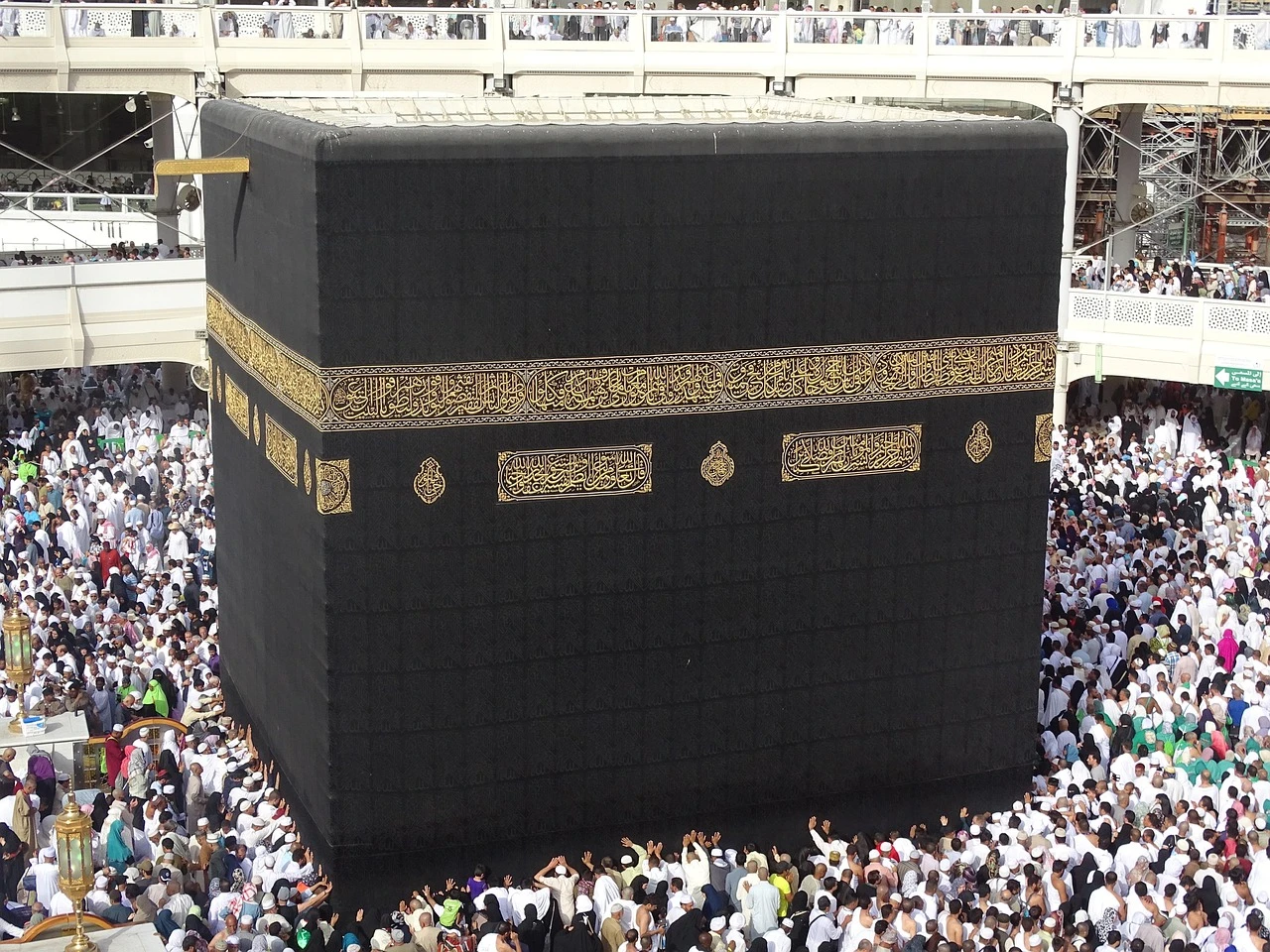
The timing sharpened the stakes. The pact was signed amid intense regional tension, with reporting pointing to fears shaped by Iran, maritime routes, missile threats and the possibility of wider conflict. Some coverage said the deal could eventually be opened to other countries in the region, a sign that the governments may be trying to build a broader security bloc rather than a one-off gesture. Al Jazeera said experts believed it could reshape the region’s security architecture.
For the United States and European governments, the deal raises immediate questions about future diplomacy, arms ties and crisis calculations. A more tightly aligned Saudi Arabia, Turkey and Pakistan could alter how outside powers manage Middle East and South Asia flashpoints, especially if the pact encourages more coordinated responses to regional crises. For now, the agreement is both a signal of unity and a test of whether these three capitals are willing to turn a public pledge into an operational military axis.
Sources
- [1]reuters.com
- [2]france24.com
- [3]tribune.com.pk
- [4]aljazeera.com
- [5]breakingdefense.com
- [6]asia.nikkei.com
- [7]middleeastmonitor.com
- [8]al-monitor.com
- [9]dw.com
- [10]diplomacyandlaw.com