Business
Saudi Arabia weighs expanding Red Sea oil pipeline capacity
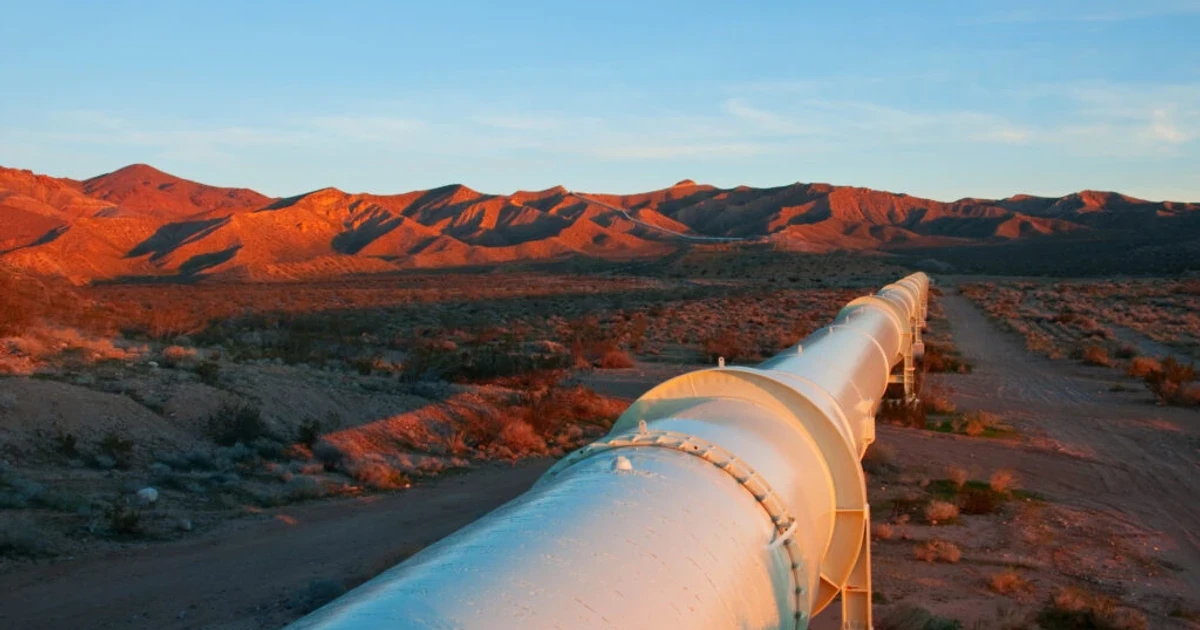
Saudi Arabia is considering adding as much as 2 million barrels a day to its East-West crude oil pipeline, a move that would give the kingdom and possibly neighboring exporters more room to move oil without relying on the Strait of Hormuz. Five sources close to the matter said the talks were preliminary, but the scale of the proposal points to a bigger strategic shift: building more redundancy into Gulf export routes at a time when maritime chokepoints have become a live geopolitical risk.
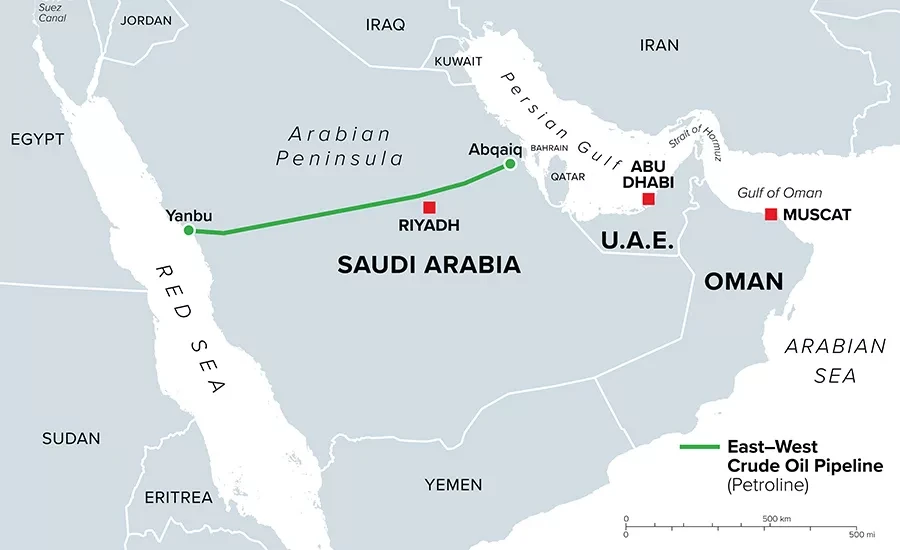
The East-West Crude Oil Pipeline, also known as Petroline, runs about 1,200 kilometers, or 746 miles, from Abqaiq in Saudi Arabia’s eastern oil heartland to Yanbu on the Red Sea. Global Energy Monitor says the line was built in 1981 during the Iran-Iraq War specifically to provide an export route that bypassed the Gulf, and that original purpose has regained urgency as regional conflict has exposed how quickly traffic through Hormuz can be disrupted.
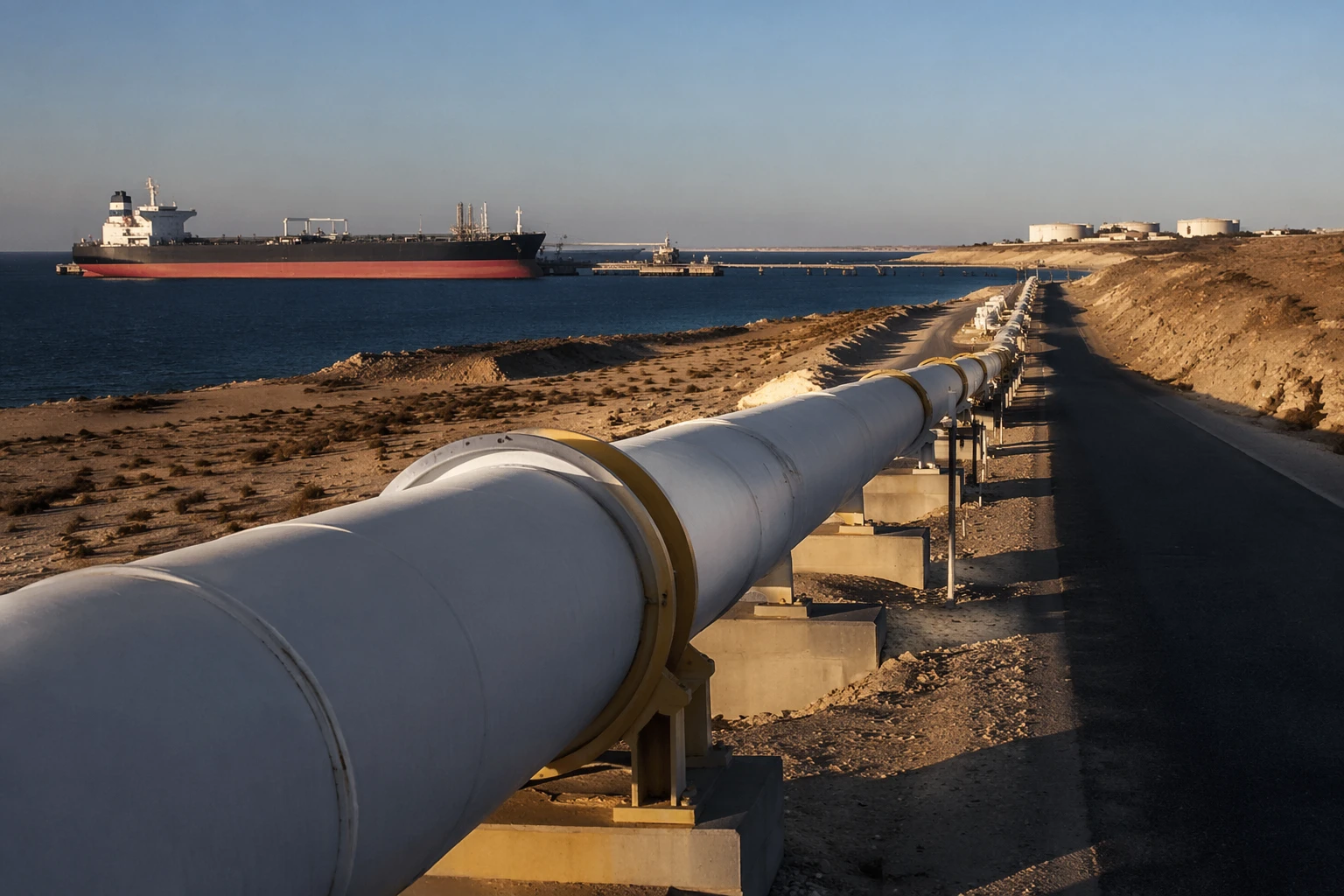
Saudi Aramco said in its first-quarter 2026 results that the pipeline ramped up to its maximum capacity of 7.0 million barrels a day during the quarter. The company said domestic and international storage capacity added optionality and that contingency planning helped keep operations running. On March 10, Aramco chief executive Amin Nasser said the line would reach full capacity within days, as crude was shifted to Yanbu when west-coast exports were constrained by the disruption to Hormuz shipping.
The stakes are high because Hormuz remains one of the world’s critical oil transit chokepoints. The International Energy Agency says an average of 20 million barrels a day of crude oil and oil products moved through the strait in 2025. The U.S. Energy Information Administration puts 2024 flows at about 20 million barrels a day as well, roughly one-fifth of global petroleum liquids consumption. Any added capacity on Saudi Arabia’s Red Sea route would therefore do more than ease one country’s logistics; it would give producers a substitute outlet when a single strait becomes too risky.
The possible expansion would build on a route already operating at record levels. The sources said the kingdom was in talks with some neighboring countries about the project, and one possibility under discussion was a smaller second pipe for oil products. It is not yet clear whether the added capacity would come from upgrading the existing system or from new construction, but the direction of travel is clear: Saudi Arabia is trying to harden its export system against the kind of shock that can jolt oil markets overnight.
Sources
- [1]internationalaffairsreview.com
- [2]aramco.com
- [3]iea.org
- [4]eia.gov
- [5]gem.wiki
- [6]spglobal.com
- [7]agbi.com
- [8]arabnews.com
- [9]firstpost.com