Technology
Savi Security launches AI app to block scams and call fraud

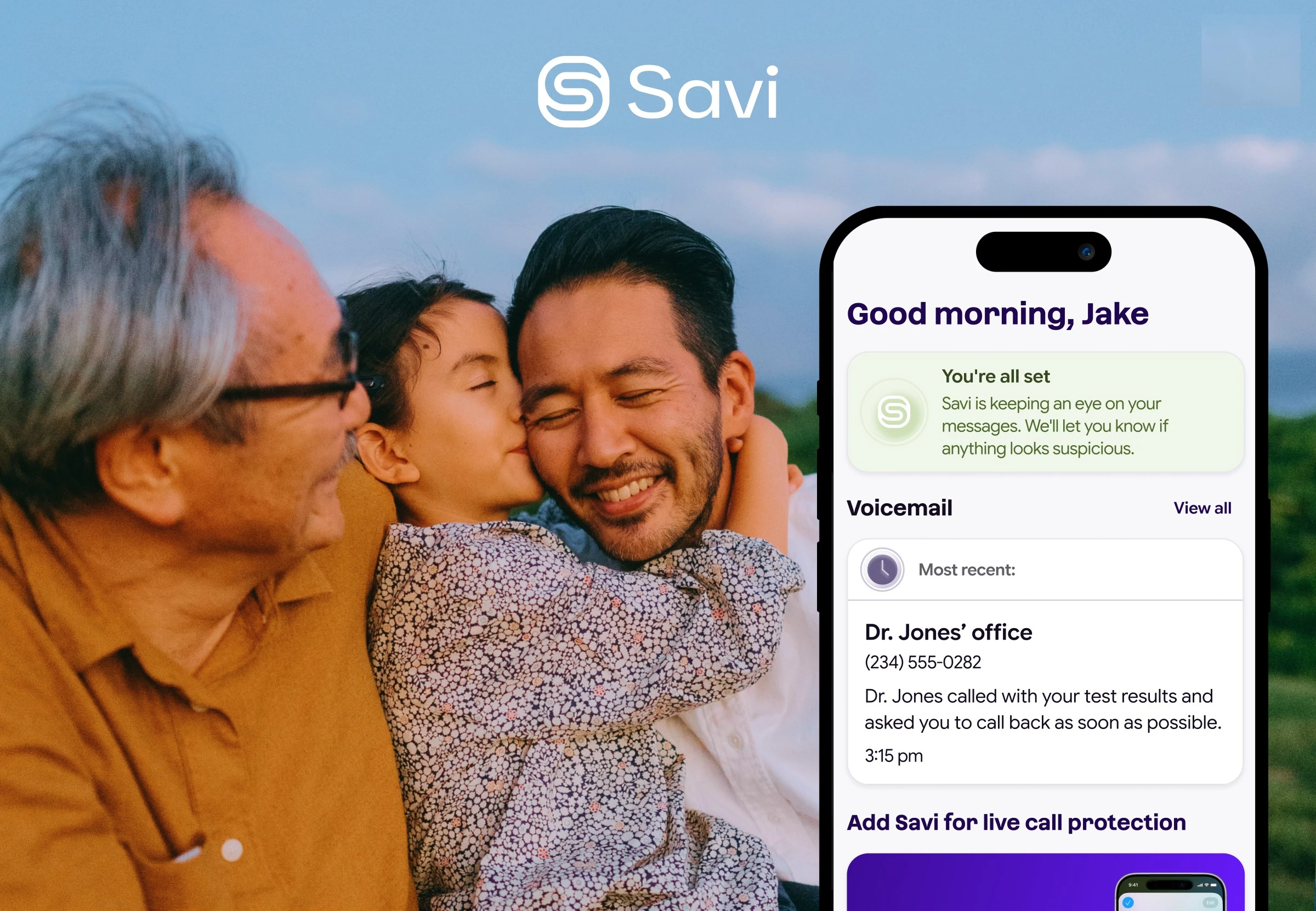
Savi Security launched an iPhone and Android app on Tuesday and raised $7 million in seed funding led by Acrew Capital. The app uses behavioral AI to screen calls, texts and other digital communications, with tools that automatically route spam and scam texts to junk, screen voicemails from unknown numbers and monitor live calls.
The pitch lands in a fraud environment shaped by increasingly convincing impersonation attacks. The FBI warned in a December 5, 2025 public-service announcement that criminals are altering photos taken from social media and other public sites to create fake proof-of-life images in virtual kidnapping-for-ransom schemes. In those cases, scammers text victims, claim a loved one has been kidnapped and demand immediate payment while sending photos or videos meant to look real.

The Federal Trade Commission has been warning since March 2023 that scammers can use AI voice cloning and only a short audio clip from online content to impersonate a family member in an emergency scam. In April 2024, the agency awarded top prizes in its Voice Cloning Challenge to ideas including real-time detection, liveness scoring, watermarking and voice authentication.
Savi is aiming its product at families rather than enterprises and says it adds layers of real-time intelligence on top of native phone protections. Digital fraud is now the fastest-growing crime in America, and government estimates put consumer losses at nearly $200 billion a year to cybercriminals. Imposter scams make up one-third of reported fraud cases in the United States, and an estimated $81.6 billion in losses among Americans age 60 and over in 2025, or more than $38,500 per victim, appears in official reporting. Gen Z adults are more than three times as likely to fall for an online scam as Baby Boomers.
In February 2026, anchor Juliette Goodrich received a call in which scammers used what sounded like her daughter’s voice and demanded $2,500. The FTC advises people to verify emergency calls using a known phone number and to contact other relatives or friends if they cannot reach the supposed victim.
Sources
- [1]techcrunch.com
- [2]compuserve.com
- [3]fbi.gov
- [4]consumer.ftc.gov
- [5]cbsnews.com