Lifestyle
Scammers Target Tourists With Fees for Free Travel Forms
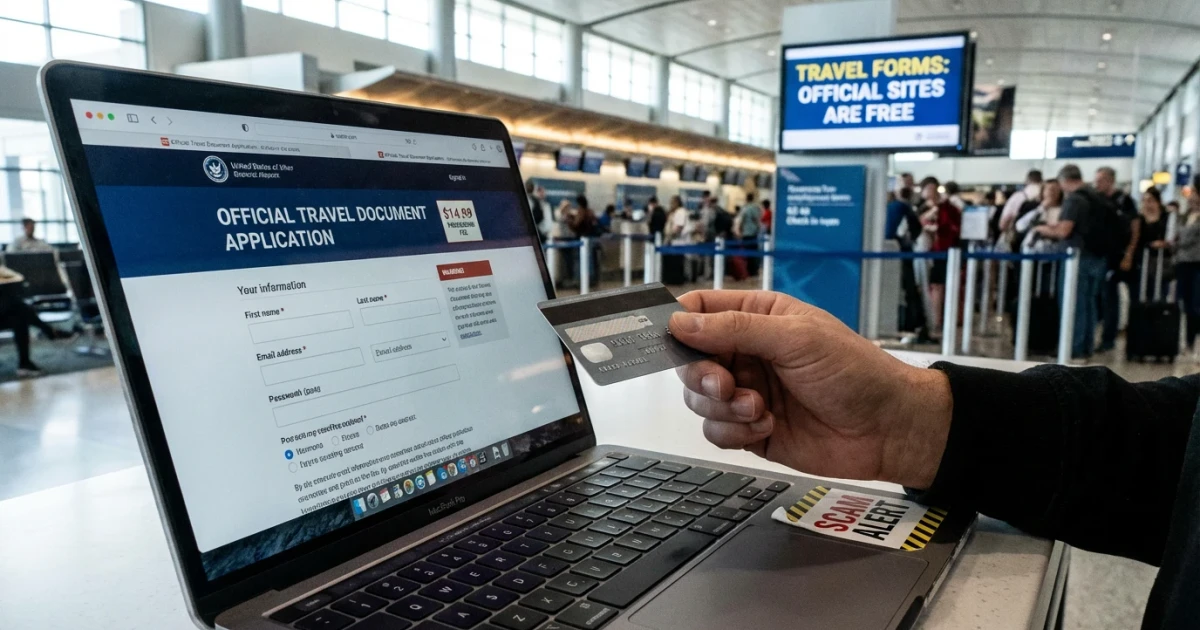
As international travel rebounds, an alarming trend has emerged: scammers are exploiting tourists by charging high fees for travel forms that are actually free. The problem, recently highlighted by Fox News, is costing unsuspecting travelers millions each year and has drawn the attention of law enforcement and consumer protection agencies worldwide.
How the Scam Works
Fraudsters create convincing websites that appear to offer official visa or entry application services. These sites often mimic the look and feel of genuine government portals, leading travelers to believe they must pay to obtain mandatory travel documents. In reality, many of these forms—such as the U.S. ESTA, European ETIAS, or country-specific health declarations—are available at no charge from government sources.
- Scammers typically charge service fees ranging from $30 to over $100 for each form.
- Some sites use search engine ads to appear at the top of travel-related search results, increasing their reach to unsuspecting tourists.
- Victims may not realize they’ve been scammed until they spot the same forms listed for free on official government websites such as the U.S. State Department entry requirements page or the U.S. Visa Information and Appointment System.
Scope and Impact
The financial impact of these scams is significant. According to the FBI’s public service announcement on travel scams, Americans reported thousands of incidents related to fraudulent travel services in the past year, with losses running into the tens of millions of dollars. The FTC’s Consumer Sentinel Network Data Book further confirms that travel and vacation scams remain among the most frequently reported fraud types, particularly during peak travel seasons.
- The Better Business Bureau’s Scam Tracker notes that travel scams accounted for a notable share of overall consumer losses in 2022.
- Europol’s Internet Organised Crime Threat Assessment highlights the growing sophistication of scam tactics, including fake travel sites and fraudulent document offers, targeting both European and U.S. travelers.
Who Is Most at Risk?
Experts say that inexperienced travelers, seniors, and those unfamiliar with digital security are particularly vulnerable. Scams often target popular vacation destinations and are timed to coincide with major holidays or travel booms. International tourists, who may not be aware of the official processes for entry and visa forms, are also high-risk targets.
How to Protect Yourself
- Always check official government sources when applying for travel documents. For the U.S., use the State Department’s entry requirements page.
- Be wary of websites or services that demand high fees for forms you can otherwise obtain for free.
- Look for secure website indicators (such as “.gov” domains for U.S. government sites) and avoid clicking on search ads without verifying their authenticity.
- Consult the FTC’s data tools or the BBB Scam Tracker to see recent reports and scam warnings for your destination.
- If in doubt, contact your country’s embassy or consulate for guidance on travel requirements and official application channels.
Regulatory and Law Enforcement Response
Regulators in the U.S. and Europe are working to raise awareness and shut down fraudulent sites. The FBI and FTC have published advisories warning travelers about the risks of paying for free documents, while European authorities continue to monitor and disrupt scam operations identified in the IOCTA report.
Conclusion
As travel resumes in full force, tourists are urged to stay vigilant and informed. Simple steps—like checking government websites and recognizing the warning signs of scams—can prevent financial losses and ensure a smooth journey. With ongoing efforts from consumer agencies and law enforcement, authorities hope to curb these fraudulent schemes, but ultimately, traveler awareness remains the strongest defense.