US News
Scammers use FaceTime fraud alerts to steal bank details
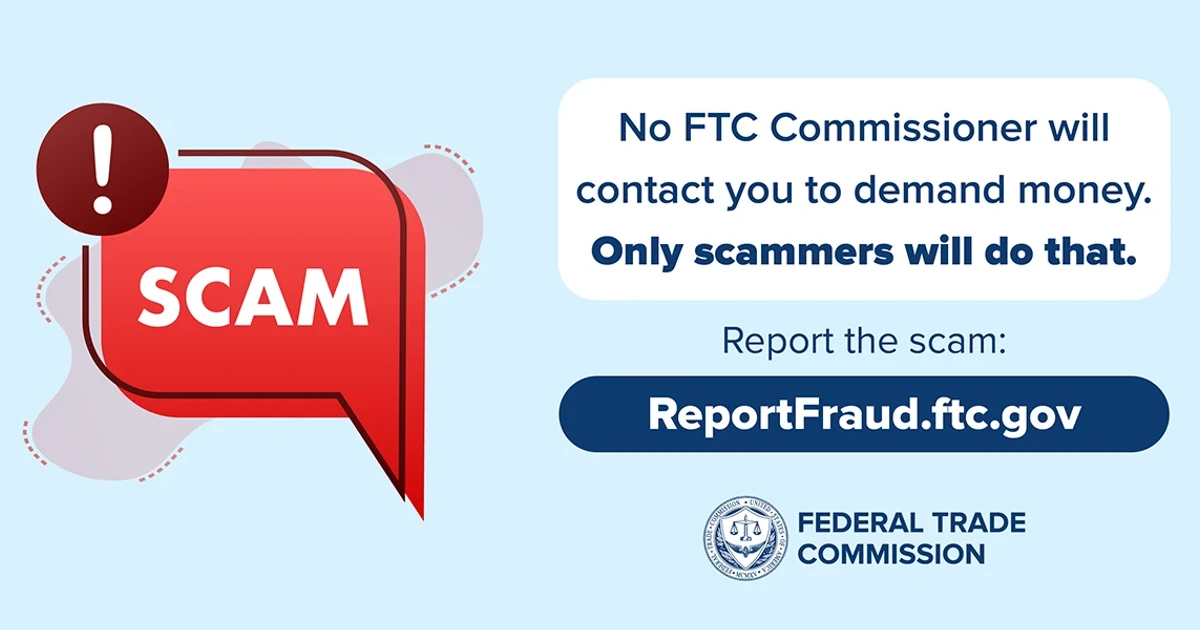
Criminals send fake alerts about suspicious activity, then move victims onto FaceTime to make the pitch feel legitimate and urgent. On July 8, 2024, the Federal Trade Commission warned that if someone tells you to move money to protect it or asks for a verification code, it is always a scam.
The con starts with a message that appears to come from a bank or another trusted company. The caller then escalates the pressure on video, posing as support staff or a fraud investigator and pushing the victim to act fast. That is social engineering, a method that relies on impersonation and urgency to steal sign-in credentials, security codes, and financial information.

The danger grows when the scammer asks the victim to share a screen or enter bank details while the call is still live. That lets the criminal watch passwords, account numbers, and one-time codes in real time. Scammers may use phone calls, FaceTime, texts, or email to impersonate trusted companies or entities, and Apple warns users never to share passwords, security codes, or Apple Account verification codes.
Bank accounts carry fewer protections than credit cards, so money moved under pressure may be harder to recover. Vishing, or voice phishing, uses scare tactics, number spoofing, and claims that an account is at risk to force people to act quickly. The Financial Conduct Authority's banking and online account scams page was last updated on March 31, 2026.

The Bank of England will never contact people about investments, refunds, fines, or opportunities, and it tells people who suspect a bank-impostor call to hang up and dial 159 to reach their bank safely. Report suspicious emails, texts, fraud, and losses promptly.