Health
Schools Turn to AI Counselors Amid Safety Questions
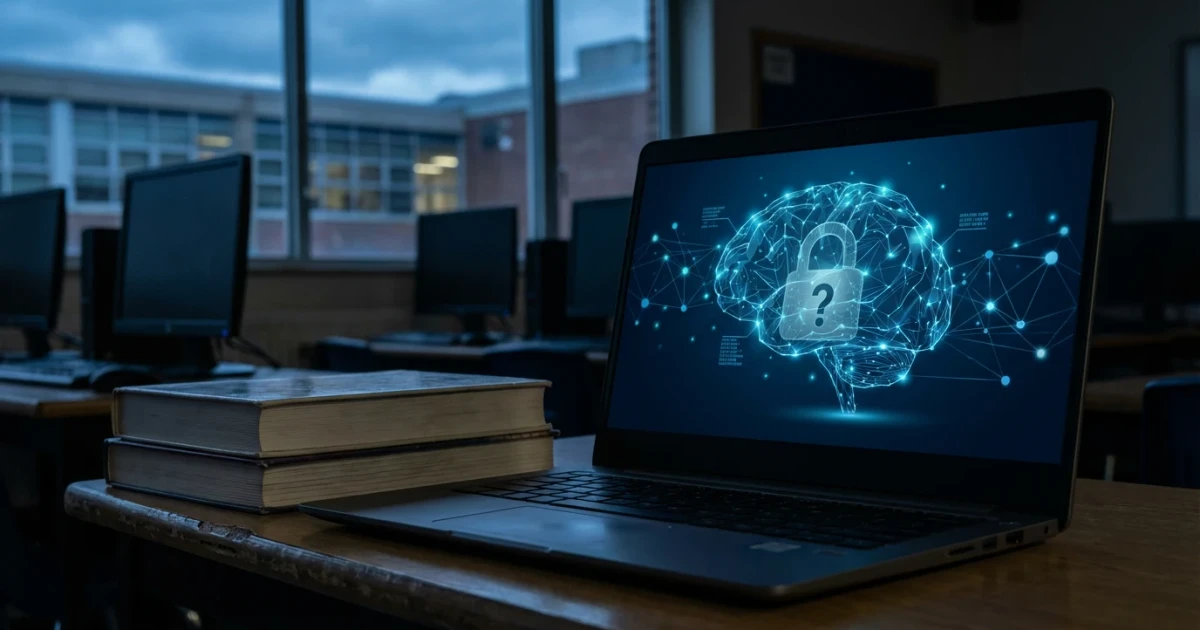
Schools across the country are increasingly turning to artificial intelligence counselors to monitor and support students’ mental health, sparking an urgent debate about privacy, safety, and the ethical implications of deploying such technology in educational settings.
AI Counselors Take Root in Schools
The Guardian reports that both public and private schools are piloting AI-powered platforms designed to identify early signs of anxiety, depression, or other mental health challenges. These systems analyze digital activity—from social media use to online assignments—and sometimes even scan students’ written reflections for warning signs.
- Some AI counselors offer real-time chat support, guiding students through mindfulness exercises or suggesting coping strategies.
- Other systems flag potential risks for school counselors and administrators, aiming to intervene before crises escalate.
This growing trend is driven by rising concern over youth mental health. According to the Youth Risk Behavior Surveillance System (YRBSS), rates of reported persistent feelings of sadness or hopelessness among high school students have climbed steadily in recent years. Many school districts, facing shortages of human counselors, see AI as a supplement—not a replacement—for traditional support.
Potential Benefits and Support
Advocates for AI counselors highlight several potential benefits. Automated monitoring can help spot at-risk students who might otherwise go unnoticed, particularly in schools where counselor-to-student ratios are high. AI systems can operate around the clock, providing support outside of school hours. The Education Week report shows that some districts credit these tools with timely interventions that have connected students to appropriate help.
Additionally, AI platforms can help schools track aggregate mental health trends, informing preventative programs and resource allocation. As the RAND Corporation’s systematic review notes, early evidence suggests AI systems can accurately identify patterns associated with mental health risk, though more longitudinal data is needed.
Privacy, Safety, and Ethical Concerns
Despite their promise, AI counselors raise significant ethical questions. The Guardian highlights concerns over data privacy and surveillance: students’ sensitive thoughts and behaviors are often analyzed by algorithms managed by third-party vendors. Parents and privacy advocates worry that student data could be misused, breached, or shared without proper consent.
There are also concerns about the reliability and bias of AI assessments. Misidentification of risk could lead to unnecessary interventions or stigmatization, while overreliance on technology may inadvertently sideline human connection. Research summarized by peer-reviewed studies emphasizes the need for transparent AI models and robust oversight to ensure ethical deployment.
Regulatory and Parental Oversight
As AI counselors proliferate, many are calling for clearer regulations and parental involvement. The U.S. Department of Education provides guidelines on student data privacy, but enforcement and best practices for AI tools remain inconsistent. Internationally, organizations like the OECD are monitoring the impact of AI in schools and urging caution.
Experts cited by The Guardian stress that AI should not replace human counselors. Instead, they recommend a hybrid approach where technology assists but does not dictate mental health decisions. Building trust with students and families remains essential, especially as the long-term effects of AI counseling are still being studied.
Looking Ahead
As schools grapple with rising mental health needs and limited resources, AI counselors are likely to become more common. Balancing innovation with robust ethical standards will be critical to ensuring these tools genuinely benefit students without compromising their privacy or well-being. Ongoing research, transparent practices, and active community engagement will help shape how—and whether—AI finds its place in the classroom.