Politics
Schumer tells Michigan primary rival to just win after El-Sayed victory
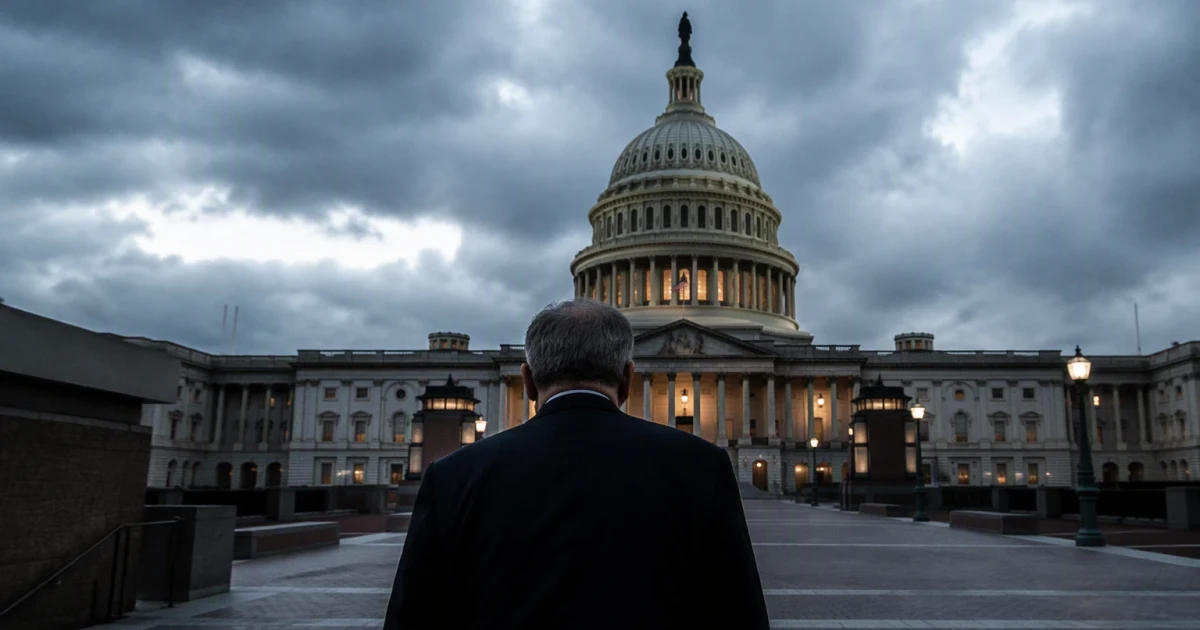
Chuck Schumer called Abdul El-Sayed after the Michigan Democrat’s Senate primary victory and told him, in substance, that the issue was not him but winning. The message marked a quick shift from a primary fight in which Schumer had opposed El-Sayed and backed Representative Haley Stevens instead.
Schumer had privately supported Stevens in June, asking party donors to help the moderate candidate running against two more progressive Democrats. He later gave Stevens his official backing as the Michigan race moved toward a showdown that became one of the party’s most visible internal tests of 2026.
El-Sayed’s win on Aug. 5 sharpened that test. NBC News projected that the former public health official had defeated Stevens despite facing a large advertising disadvantage, giving progressives a marquee victory and handing establishment Democrats a setback in a state they see as central to their hopes of retaking the Senate. The Michigan seat has been viewed as one of the chamber’s key battlegrounds, making the primary more than a local contest and turning it into a proxy fight over the party’s direction.
The result also put Schumer’s balancing act on display. He had tried to help a candidate he viewed as more viable for a general election campaign while facing criticism from Democrats aligned with El-Sayed’s brand of insurgent politics. After the primary, Schumer moved quickly to avoid deepening the split, reaching out directly to the nominee and signaling that the general election, not the intraparty feud, was now the priority.
That approach reflected the political pressure now surrounding Senate Democratic leadership. Reporting on Aug. 6 said the Michigan result had added to Schumer’s future headaches and intensified scrutiny of his leadership. Former Democratic National Committee Chair Donna Brazile issued a warning to Democratic leadership after El-Sayed’s narrow victory, underscoring how the race had become a larger argument over how Democrats should choose nominees in competitive states.
For Schumer, the phone call was more than a courtesy. It was an attempt to contain the fallout from a race that exposed the party’s split between institutional control and progressive energy, while keeping the Michigan seat aligned with the broader Democratic plan to win back the Senate.
Sources
- [1]nytimes.com
- [2]punchbowl.news
- [3]thehill.com
- [4]nbcnews.com
- [5]semafor.com
- [6]nypost.com