Health
Scientist Diagnosed With Prion Disease Leads Search for a Cure
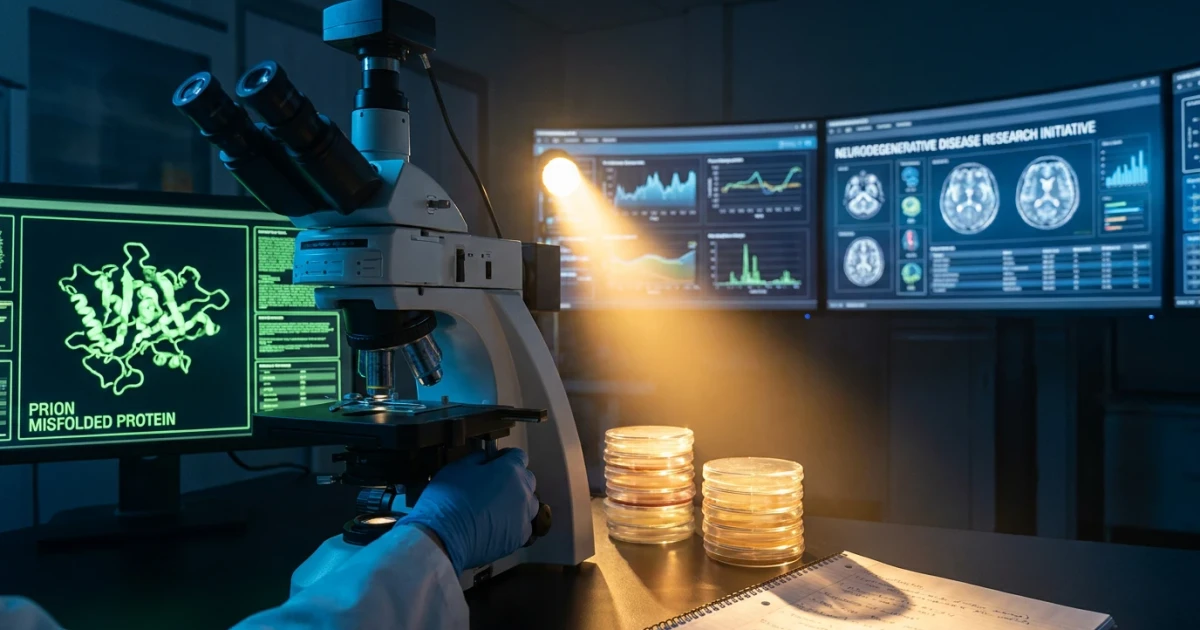
A prominent scientist recently made headlines after he was diagnosed with a devastating prion disease—a group of rare, fatal brain disorders. Rather than retreat in the face of his diagnosis, he has turned his personal battle into a public crusade, leveraging his expertise to accelerate research and advocate for greater awareness and funding.
From Diagnosis to Determination
Prion diseases, including Creutzfeldt-Jakob Disease (CJD), are caused by abnormally folded proteins that trigger rapid neurodegeneration. According to the Centers for Disease Control and Prevention (CDC), these conditions are extremely rare, with just a few hundred cases reported annually in the United States. The prognosis is grim—most patients succumb to the disease within months of symptom onset—and there are currently no effective treatments or cures.
Upon receiving his diagnosis, the scientist—who had devoted his career to biomedical research—chose to publicly share his story. His aim: to shine a spotlight on prion diseases and to galvanize the scientific community into action. His efforts underscore the emotional and scientific challenges faced by those living with these disorders, while also highlighting the urgent need for new research and clinical advances.
Understanding Prion Diseases
Prion diseases are classified as rare neurodegenerative conditions that can be inherited, sporadic, or acquired. They are characterized by rapidly progressive dementia, movement disorders, and, ultimately, death. The Orphanet database notes that prion diseases affect about 1-2 people per million annually worldwide.
- Symptoms typically include confusion, memory loss, personality changes, and muscle stiffness or twitching.
- Diagnosis often involves a combination of neurological exams, MRI scans, and cerebrospinal fluid tests.
- Treatment options are limited to supportive care; no disease-modifying therapies have been approved.
Research published in the International Journal of Molecular Sciences describes the unique biology of prions, noting their ability to cause disease without nucleic acids—unlike viruses or bacteria. This factor complicates both diagnosis and therapeutic development, but also makes prion diseases a compelling scientific challenge.
Leading a Research Effort
Motivated by personal urgency, the scientist has begun collaborating with leading neurologists, geneticists, and pharmaceutical companies. Their collective goal: to better understand prion pathogenesis and identify potential targets for therapy. According to data from ClinicalTrials.gov, there are currently only a handful of active clinical trials focused on prion diseases—underscoring the need for expanded research efforts.
He has also become a vocal advocate for patients and families affected by prion disorders, calling for improved surveillance, earlier diagnosis, and greater investment in basic and translational science. According to the CDC's prion disease surveillance program, timely reporting and awareness are critical for monitoring disease trends and supporting affected communities.
Looking Forward
The scientist's story shines a light on the profound impact of prion diseases, both for individuals and society. His personal and professional response—transforming diagnosis into determination—offers hope that increased visibility and research may one day yield new treatments. As he and his collaborators push the boundaries of medical science, their work serves as an inspiration to others confronting rare and challenging diseases.