World
Scientists capture first wild footage of rare goblin shark
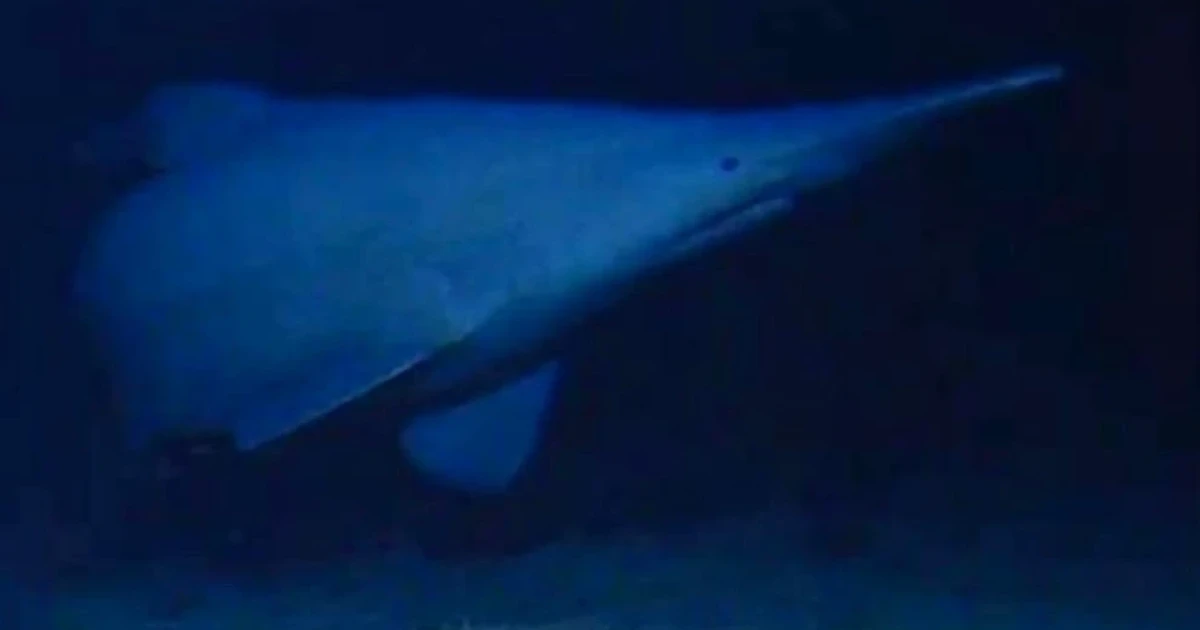
The deep ocean just revealed a rare shark that has spent more than a century hiding from human eyes. Scientists documented two goblin sharks alive in their natural habitat, the first published wild footage of Mitsukurina owstoni and a rare glimpse of a species once seen mostly after it had been dragged up dead or dying from fishing gear.
The finding matters because the goblin shark is no ordinary deep-sea holdout. It is the only living member of the family Mitsukurinidae, a lineage that stretches back about 125 million years, and the species was first described in 1898. Until now, live encounters were usually limited to accidental captures at the surface, leaving researchers with little direct evidence about how the shark behaves in the darkness of the deep Pacific.
One of the new observations came from archive footage collected during a 2019 Ocean Exploration Trust expedition aboard the E/V Nautilus, using the Hercules remotely operated vehicle near Kingman Reef, Palmyra Atoll and Jarvis Island in the Pacific Remote Islands Marine National Monument. The footage sat unnoticed until researchers revisited the material in 2025 and realized the livestream had captured a goblin shark in the wild near Jarvis Island, in the central Pacific.
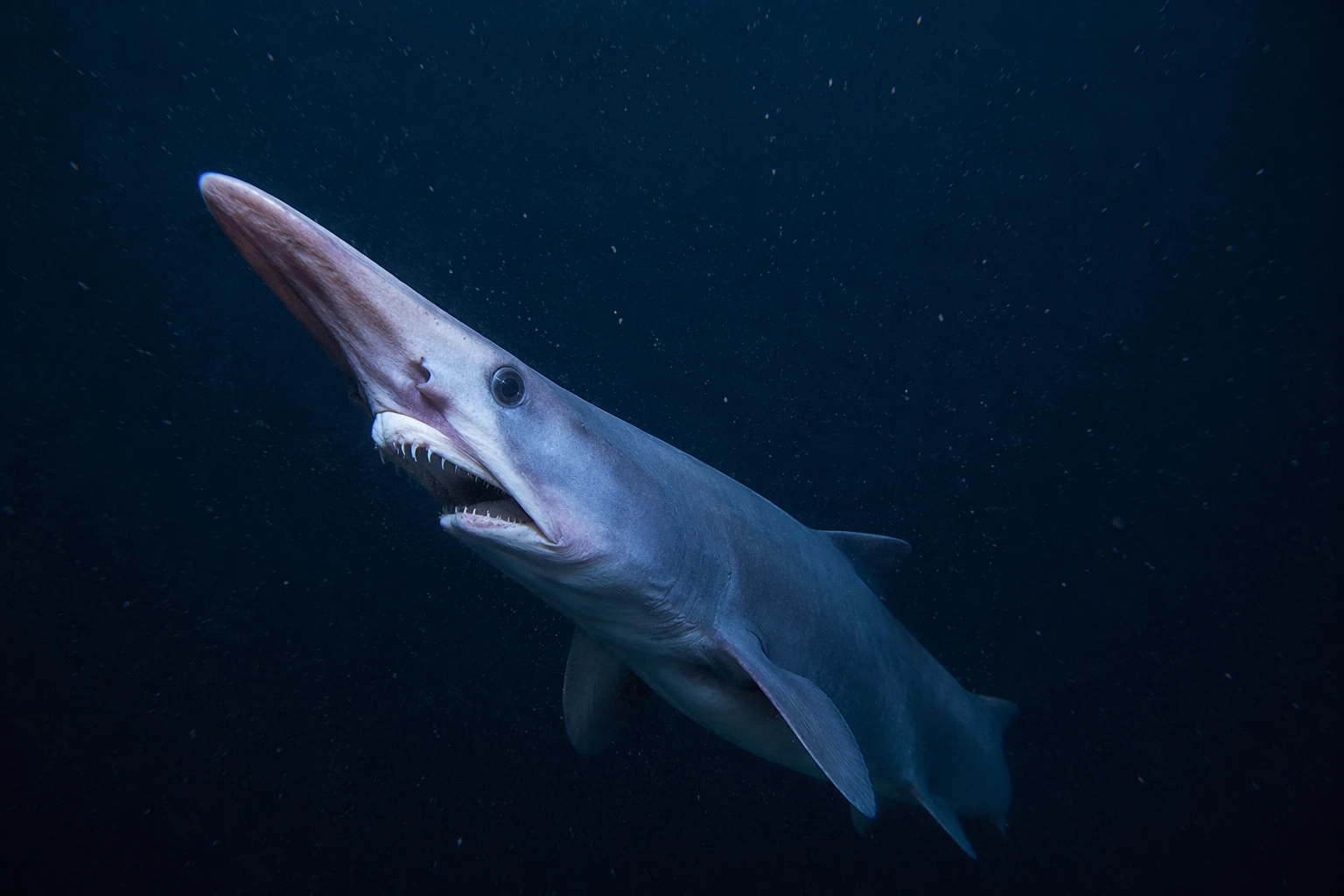
The second sighting came from the slope of the Tonga Trench southeast of Fiji during a separate expedition, and it pushed the species far beyond its known limits. Researchers said that animal was seen nearly 700 meters deeper than the goblin shark had previously been known to live, setting a new depth record for the entire order Lamniformes, the group that includes white sharks, basking sharks and mako sharks.
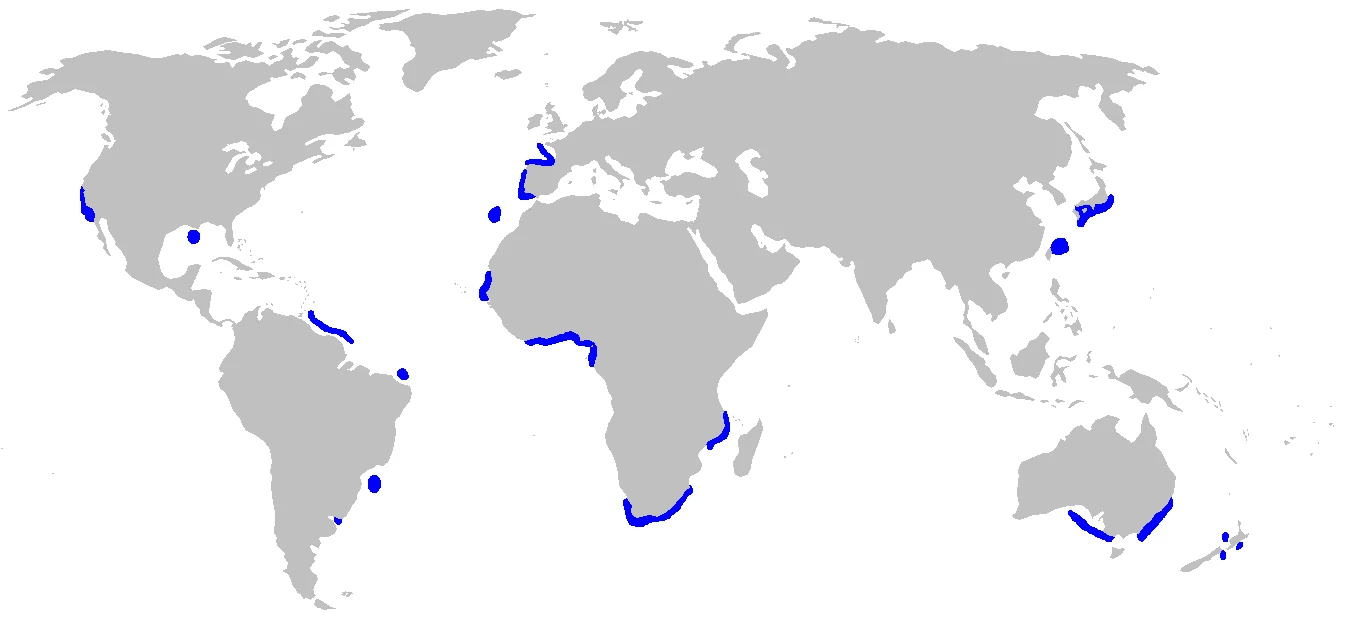
The study, published in the Journal of Fish Biology, also widens the shark’s geographic footprint. Before these observations, its known range had been limited to narrow areas off the western United States, Australia, Japan and parts of the Atlantic and Indian oceans. The Jarvis Island record extends that map into the Central Pacific and adds another hard data point to a broader scientific problem: the deep sea is still badly under-sampled, even in 2026.
Lead author Aaron Judah, a doctoral candidate in the Deep-Sea Fish Ecology Lab and Deep-Sea Animal Research Center at the University of Hawaii at Mānoa, said seeing the shark alive and healthy in its habitat was a unique honor and said he was surprised by how deep the species was found. Co-author Alan Jamieson, director of the Minderoo-UWA Deep-Sea Research Center, said he never expected to see a goblin shark alive in its underwater home. The footage gives scientists more than a rare image. It shows how much of the deep ocean remains undocumented, and how much basic biology is still waiting in the dark.
Sources
- [1]abcnews.com
- [2]popsci.com
- [3]phys.org
- [4]ecomagazine.com
- [5]soest.hawaii.edu