World
Scientists debate whether climate change is intensifying El Niño
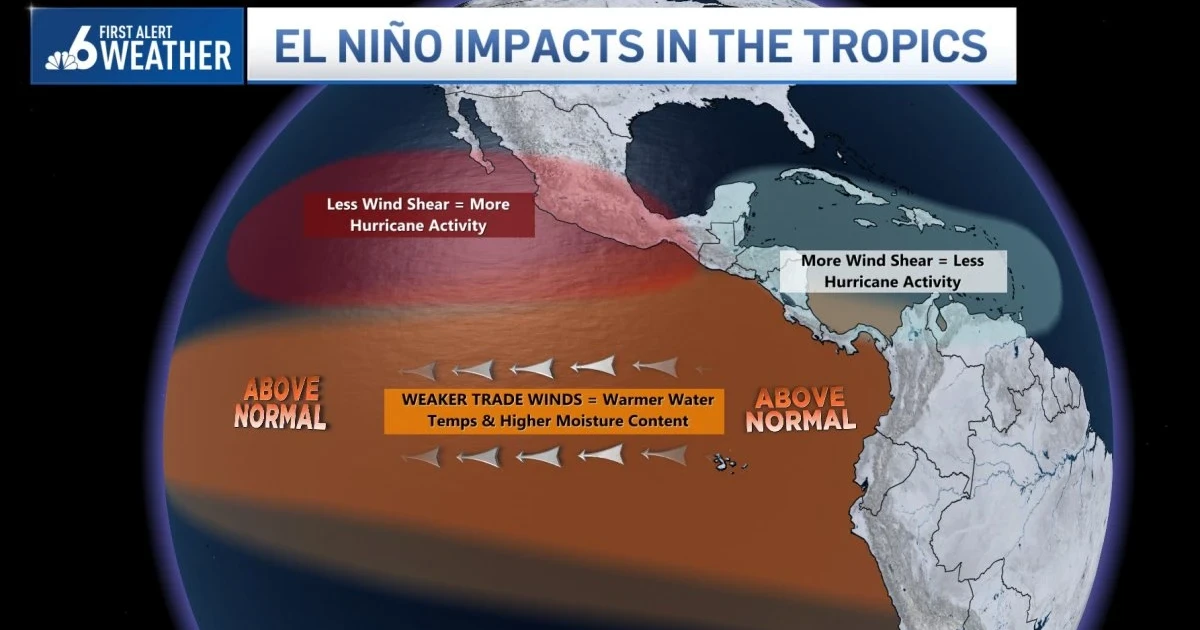
A new El Niño is already taking shape in the Equatorial Pacific, and the argument over what is driving it has real-world stakes. The World Meteorological Organization says El Niño normally arrives every two to seven years and lasts about nine to 12 months, but it also says there is no evidence climate change is increasing its frequency or intensity. The warning from scientists is sharper on the consequences: a warmer ocean and atmosphere can load more energy and moisture into heatwaves and heavy rainfall.
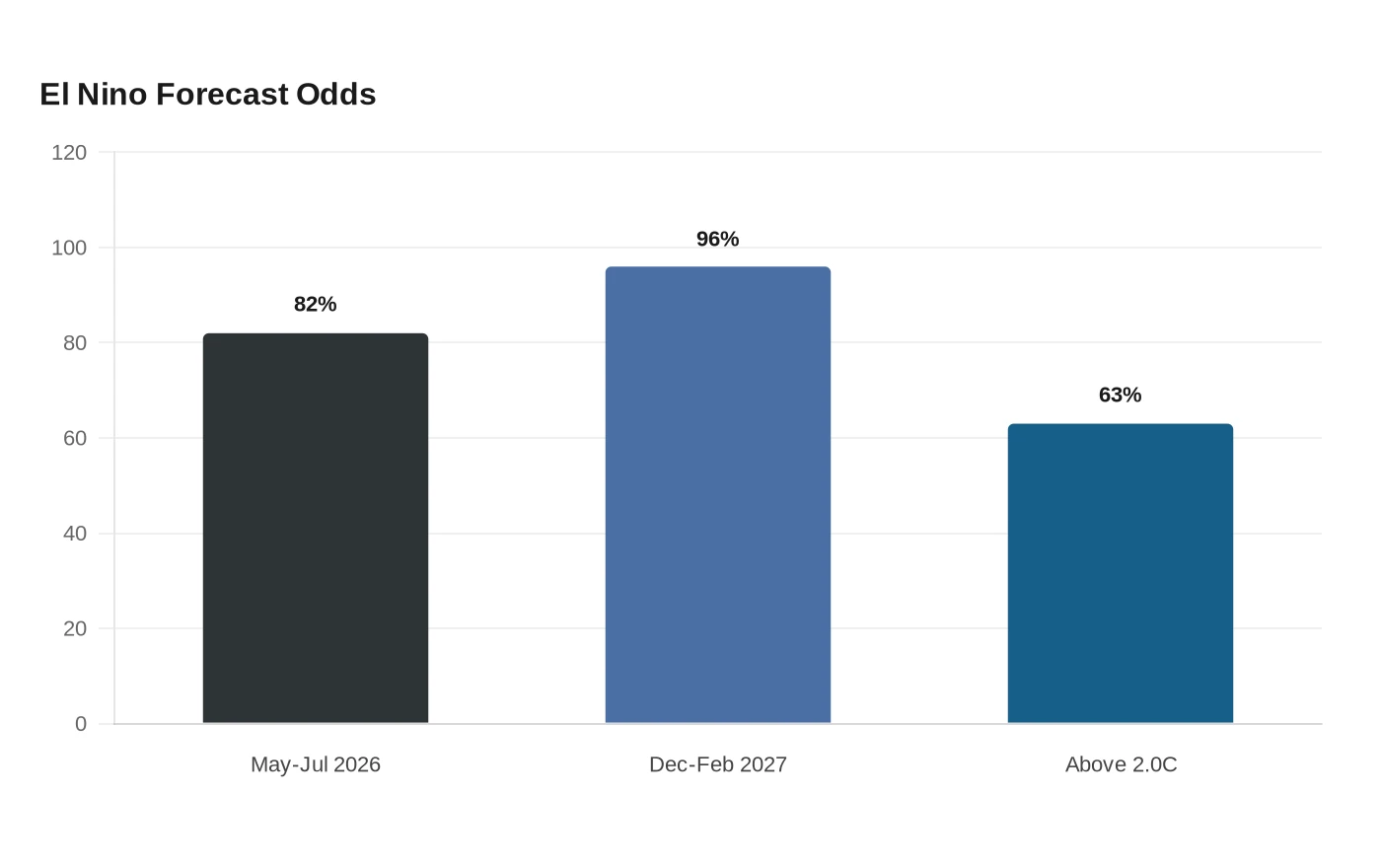
The National Oceanic and Atmospheric Administration’s Climate Prediction Center said El Niño conditions are present and are expected to strengthen into the Northern Hemisphere winter of 2026-27. NOAA put the chance of El Niño emerging in May-July 2026 at 82 percent, with a 96 percent chance it will continue through December 2026-February 2027. Forecasters also see a 63 percent chance that sea-surface temperatures in the monitored Pacific region will exceed 2.0 degrees Celsius, NOAA’s threshold for a “very strong” El Niño.
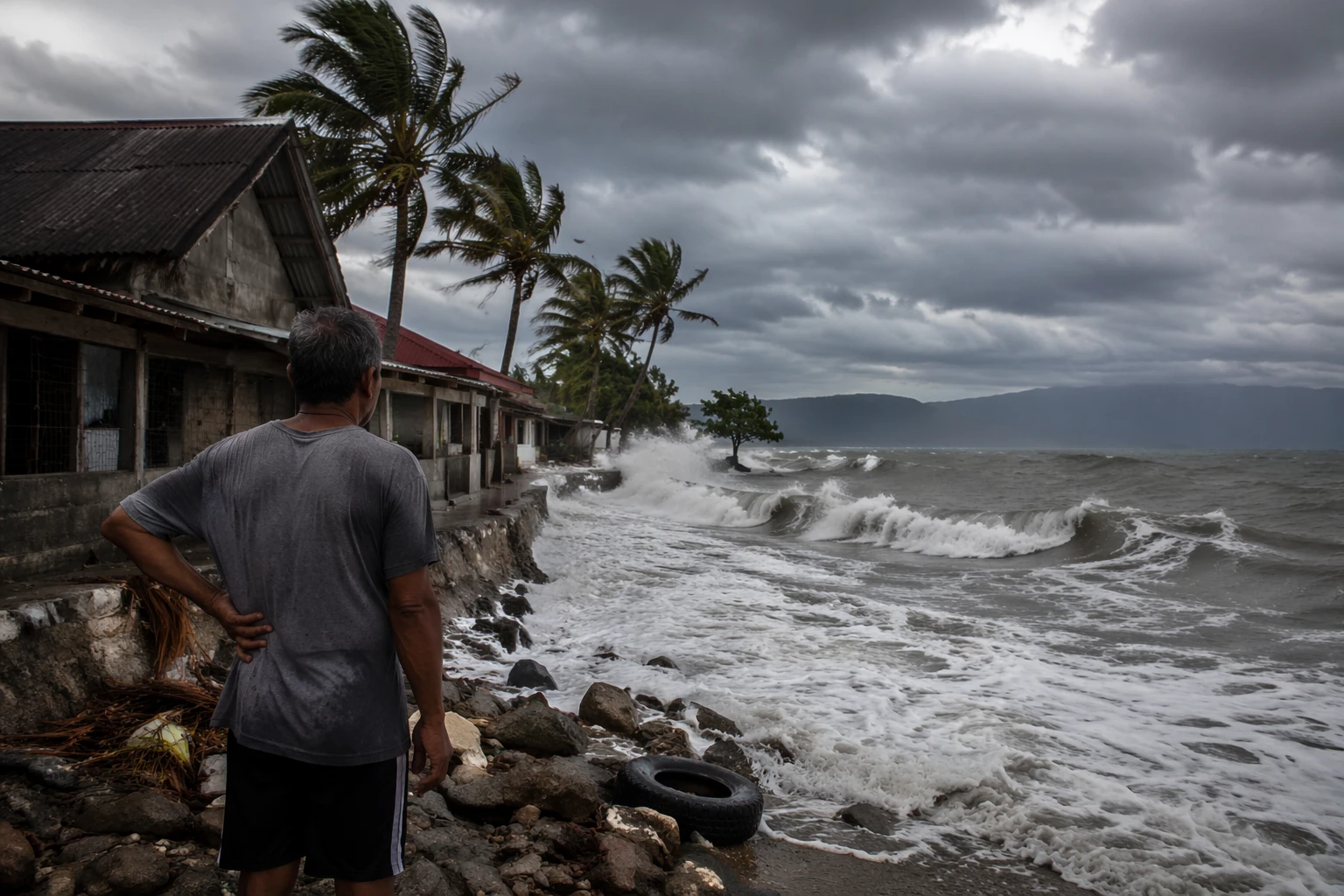
That intensity debate has been sharpened by the heat already in the climate system. NOAA ranked 2024 as the warmest year in its global record dating to 1850, and said upper ocean heat content was also at a record high. The World Meteorological Organization said that record warmth reflected the combined effect of the powerful 2023-24 El Niño and human-caused greenhouse-gas warming.
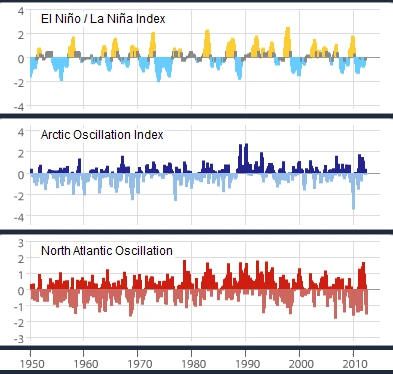
The 2023-24 event peaked as one of the five strongest on record, according to the World Meteorological Organization, and it kept influencing global climate even as it weakened in 2024. Recent research published in Nature suggests that event was driven mainly by ocean dynamics and that similar El Niño episodes may become more frequent in a warming climate. Even so, scientists have not settled the broader question of whether climate change is making El Niño itself more frequent or more intense.
The practical consequences are easier to see than the physics. The Intergovernmental Panel on Climate Change has long linked El Niño to shifts in rainfall, temperature, storm tracks and drought patterns around the world. The World Meteorological Organization says the combined force of El Niño and long-term climate change hit Latin America and the Caribbean in 2023 with drought, heat, wildfires, extreme rainfall and a record-breaking hurricane, with consequences for health, food security, energy security and economic development. If the current event strengthens as NOAA expects, governments and markets will have to brace for the same mix of crop pressure, flood risk and disaster response costs that follow in El Niño’s wake.
Sources
- [1]nytimes.com
- [2]wmo.int
- [3]cpc.ncep.noaa.gov
- [4]noaa.gov
- [5]ncei.noaa.gov
- [6]nature.com