World
Scientists detect first sugar in interstellar space around Milky Way center
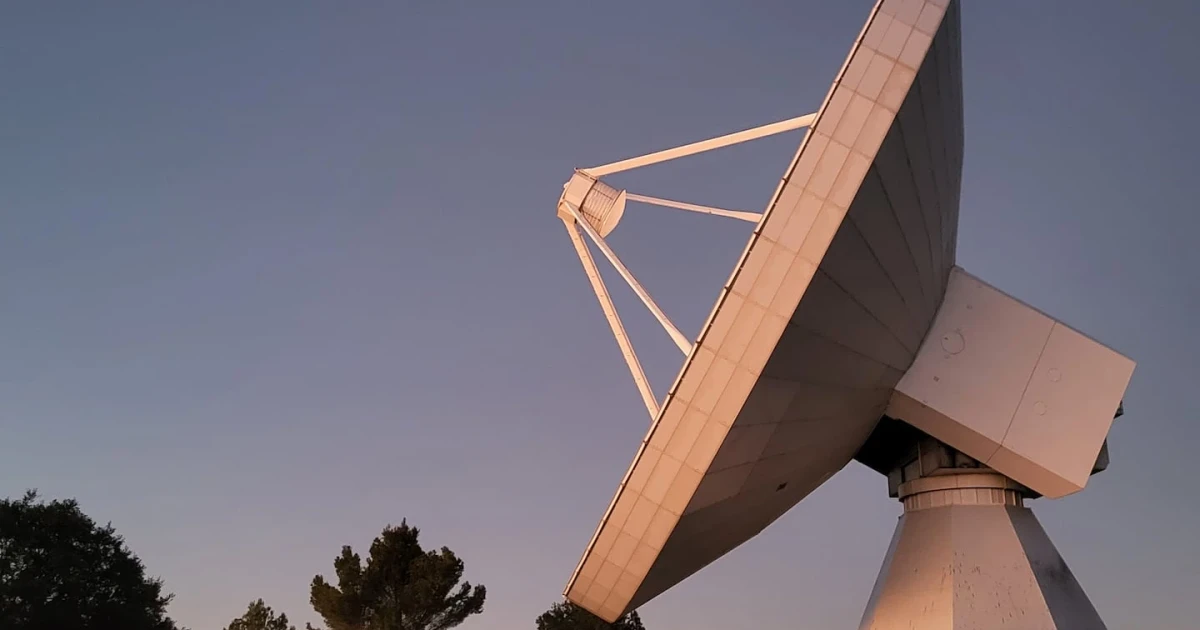
Astronomers have identified erythrulose in a molecular cloud near the Milky Way’s center, marking the first direct detection of a sugar in the interstellar medium. The molecule turned up in G+0.6930.027, a dense cloud of gas and dust, using ultrasensitive radio surveys from Spain’s 40-meter Yebes telescope and 30-meter IRAM telescope.
The result, published July 13, 2026 in Nature Astronomy, is being treated as the first true four-carbon sugar ever identified in space. Researchers matched 12 spectral lines from the cloud to laboratory measurements of erythrulose made at the University of the Basque Country, a fingerprint strong enough to separate it from other molecules in the same region.
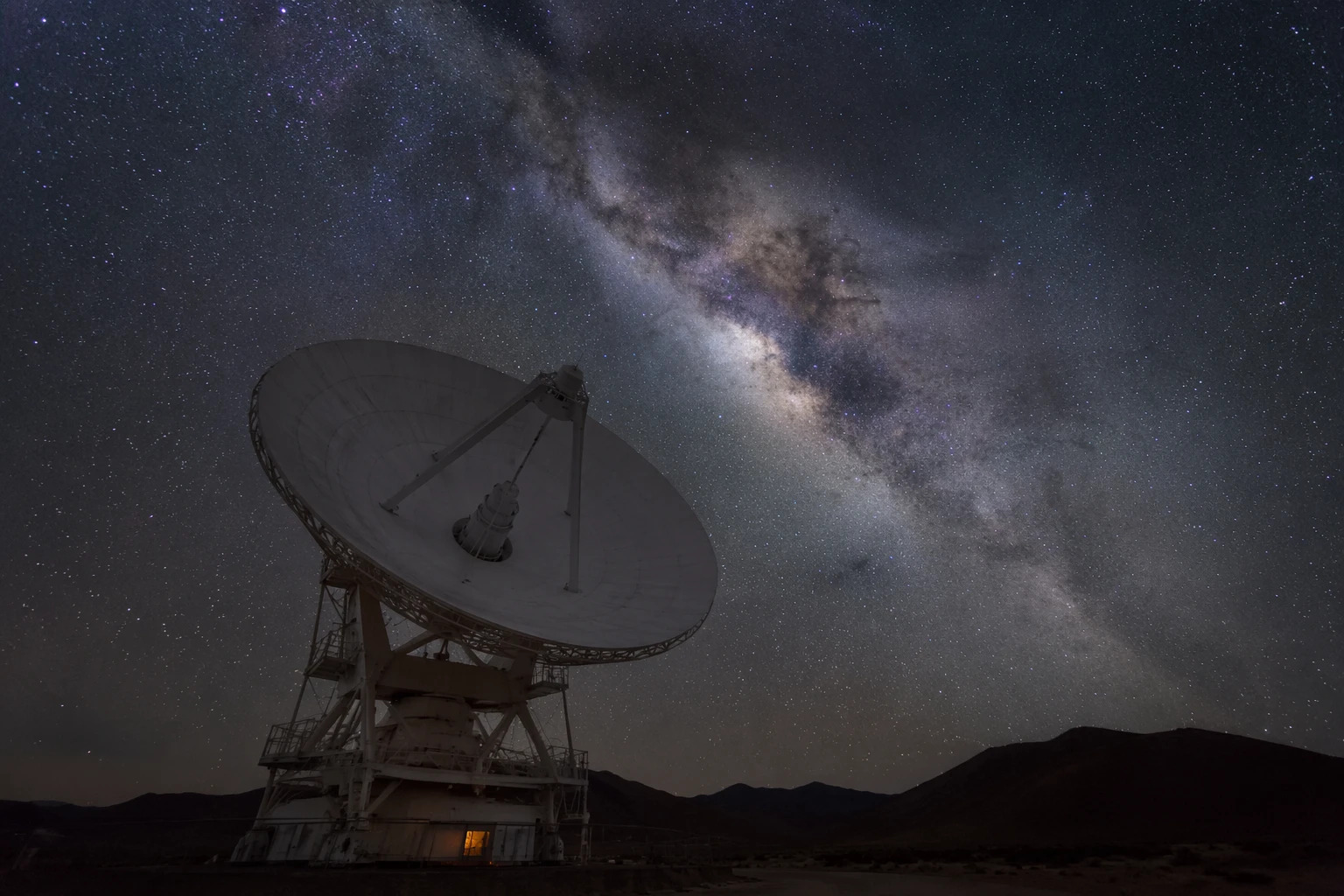
Erythrulose is familiar on Earth as a compound found in raspberries and in sunless tanning products, but its astrophysical significance is far larger than novelty. Sugars are central biomolecules in living systems, tied to metabolism and to the chemistry that supports DNA and RNA, so their appearance in interstellar space strengthens the case that some of life’s ingredients can assemble before planets are even born. That question has long preoccupied origin-of-life scientists, who have wanted to know whether complex organics were already present in the material that formed the solar system.
The abundance result added to the surprise. The study found erythrulose to be at least eight times more abundant than similar three-carbon sugars in the same cloud, even though those smaller sugars were not detected there. One estimate based on the measured abundance suggests the cloud could contain between 0.5 million and 50 million metric tons of erythrulose, though that figure comes from the study’s calculations rather than a direct weigh-in.
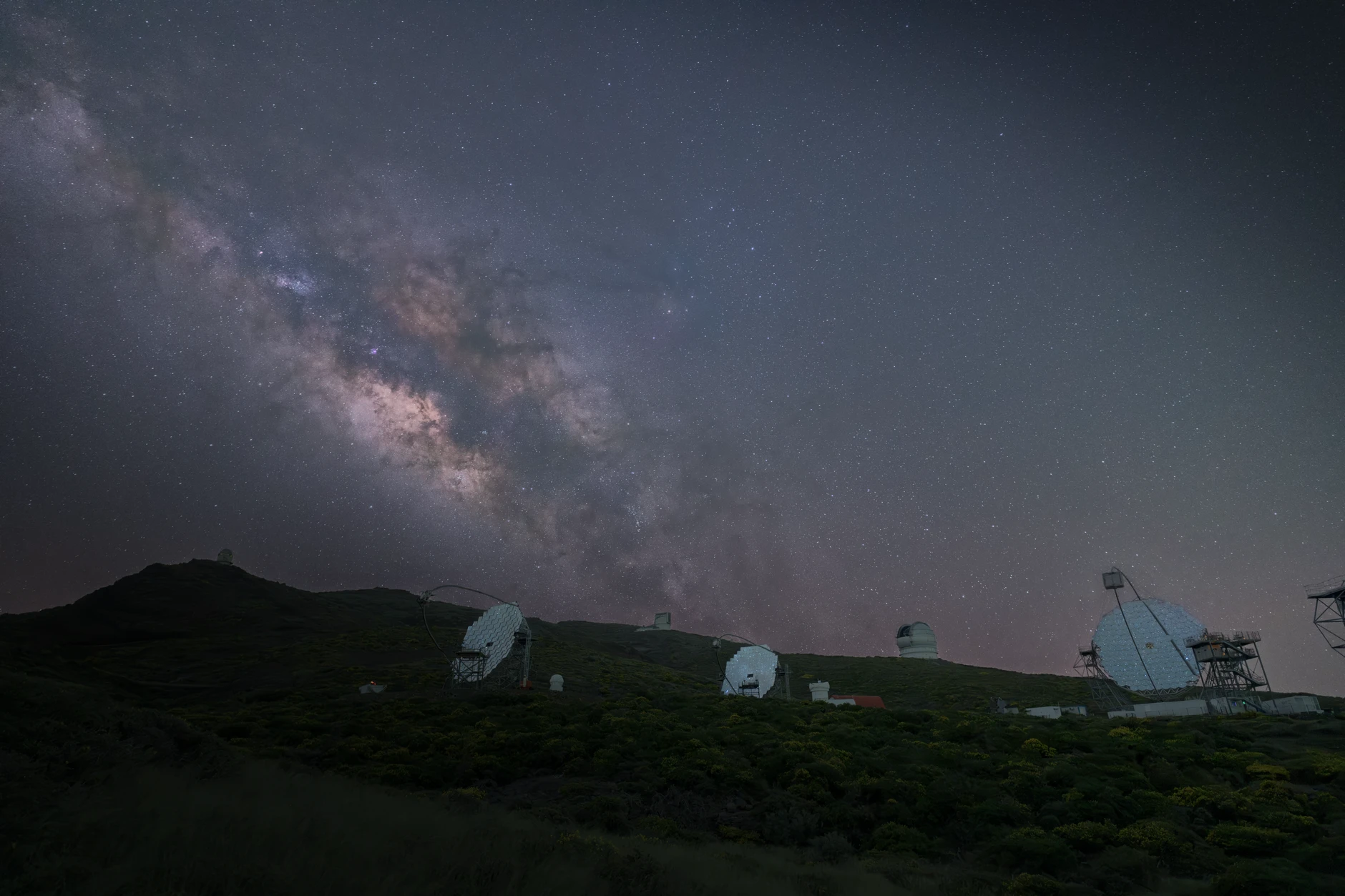
The chemistry also challenged a long-standing assumption that interstellar molecules build up one carbon atom at a time. Instead, the paper’s models suggest erythrulose can form on icy dust grains from simpler two-carbon alcohols and aldehydes, a route that points to efficient preplanetary chemistry in the cold spaces between stars. That matters because ribose and glucose have already been found in meteorite and asteroid samples, including material from asteroid Bennu, but no sugar had ever been directly observed in interstellar space until now.

The cloud’s location near the Galactic center made the finding even more valuable, because the region is rich in raw material for complex chemistry. For scientists tracking how organic compounds travel from interstellar clouds to planets, erythrulose now offers the clearest sign yet that sugar chemistry starts far earlier than the first oceans.
Sources
- [1]cbsnews.com
- [2]phys.org
- [3]sciencemediacentre.es
- [4]nature.com
- [5]arxiv.org