Science
Scientists Discover Dozens of New Species off Argentine Coast
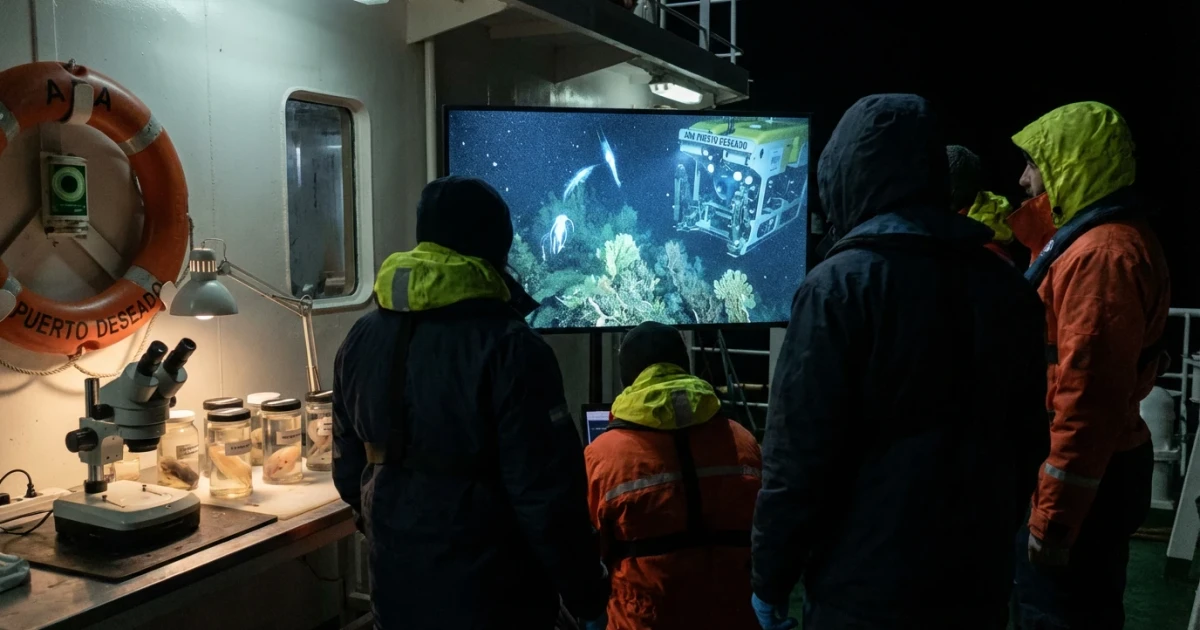
Marine scientists exploring a remote region off Argentina’s coast have uncovered a trove of previously unknown life, identifying 28 potential new species on the seafloor where few expected such biodiversity. The discovery, first reported by The Daily Galaxy, is already prompting a re-evaluation of what experts thought they knew about the benthic ecosystems of the Southwest Atlantic.
Unexpected Richness in the Argentine Deep Sea
The research team set out to survey a stretch of seafloor in a remote part of the Argentine region, an area previously thought to be relatively barren due to its challenging conditions and sparse prior records. According to The Daily Galaxy, the scientists’ expectations were upended when their expeditions revealed not only thriving ecosystems, but species that may be new to science.
- 28 potential new species were documented during the survey, ranging across various marine taxa.
- The area had seen limited prior exploration, with few preserved specimens or biodiversity records in global databases.
These discoveries were made in the course of deep-sea exploration, using remotely operated vehicles (ROVs) and advanced imaging techniques to document life at depths seldom reached by previous research expeditions.
Rewriting Argentina’s Marine Biodiversity Map
The region’s benthic habitats—those found on or near the ocean floor—have long been overlooked in global inventories. Data from the Ocean Biodiversity Information System (OBIS) shows that while shallow coastal areas of Argentina have yielded numerous species records, the deep-sea zones remained largely blank.
This new survey, with its unexpected finds, highlights how much remains unknown about the Argentine deep sea. Peer-reviewed research published in the journal Estuarine, Coastal and Shelf Science has similarly documented surges in benthic biodiversity from recent expeditions, supporting the idea that such remote regions may be hotspots for undiscovered life.
Why These Discoveries Matter
- Each potential new species expands our understanding of marine evolution and adaptation to extreme environments.
- Findings like these are vital for conservation, as the IUCN Red List notes that many Argentine marine species lack population or threat data.
- New records will inform national and international efforts to manage fisheries and protect deep-sea habitats, as outlined by the FAO’s National Aquatic Species Overview for Argentina.
Next Steps: Identification and Conservation
Experts caution that the process of formally describing and naming these 28 potential new species will require extensive genetic, morphological, and ecological analysis. The World Register of Marine Species (WoRMS) provides a reference for such taxonomic work, which is essential for integrating the discoveries into the global scientific record.
While the region remains under-studied, the findings underscore the importance of continued deep-sea research in South Atlantic waters. As further expeditions are planned, scientists hope to uncover even more surprises lurking on the seafloor.
In summary, the unexpected discovery of 28 potential new marine species off Argentina’s coast is reshaping scientific understanding of the region’s biodiversity. As the process of formal identification continues, these findings will likely play a pivotal role in future conservation and scientific efforts in the Southwest Atlantic.