Science
Scientists Discover Vast Freshwater Reservoir Beneath Great Salt Lake
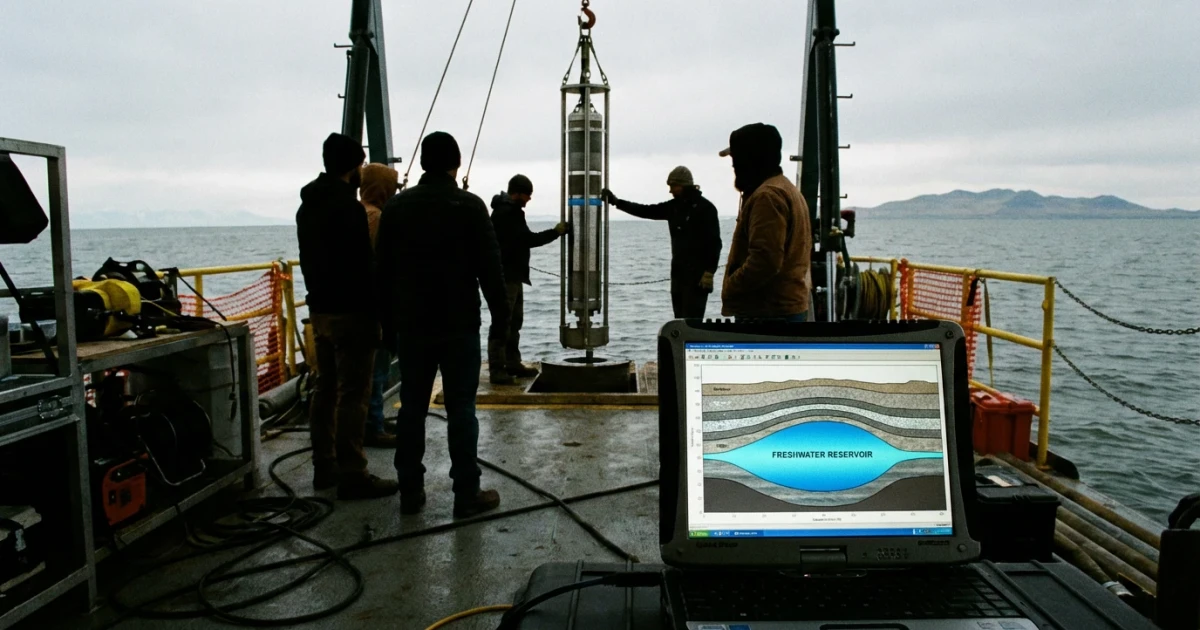
Scientists have uncovered a massive freshwater reservoir concealed beneath Utah's Great Salt Lake, a breakthrough that could have major implications for water management, environmental conservation, and the region's future. The discovery, highlighted in ScienceAlert's reporting, sheds new light on the lake's complex subsurface hydrology and raises important questions for researchers and policymakers alike.
Breakthrough Geophysical Imaging Reveals Hidden Aquifer
The existence of a vast freshwater reservoir was confirmed using advanced geophysical imaging techniques by a team of hydrogeologists. This state-of-the-art technology enabled researchers to map the subsurface beneath the Great Salt Lake, revealing extensive pockets of freshwater trapped below the briny lakebed. While the lake itself is renowned for its high salinity, the study found that freshwater is sequestered in deep aquifers—effectively shielded from the overlying saltwater.
- The hydrogeological analysis suggests the reservoir contains enough freshwater to rival the volume of some of the region's major rivers.
- Geophysical maps published alongside the findings highlight multiple zones of low-salinity water stretching across much of the lake's northern basin.
- According to the imaging data, the freshwater is stored at depths ranging from several hundred to over a thousand feet below the lake surface.
Potential Impact on Water Resources and Conservation
The discovery comes at a critical time for Utah, which faces mounting pressure on its water resources due to prolonged drought, population growth, and climate change. The USGS Great Salt Lake Water Data shows the lake's water levels have fluctuated dramatically in recent years, with record lows threatening both wildlife and local industries.
As noted in ScienceAlert, the newfound reservoir could serve as an emergency water source, but experts caution against rushing to tap the aquifer without thorough study. The Utah Division of Water Resources emphasizes that sustainable management is essential to avoid unintended environmental consequences, such as land subsidence or harm to the lake's fragile ecosystem.
Scientific and Environmental Significance
Researchers believe the discovery will reshape understanding of groundwater flow in the region. The USGS Utah Water Science Center has launched new studies to map the connectivity between the newly identified freshwater and surrounding aquifers, as well as to assess recharge rates and long-term sustainability.
- The freshwater could play a role in buffering the lake from extreme salinity swings, helping preserve the lake's unique brine shrimp and bird habitats.
- Understanding subsurface water movement is key to predicting the impact of future droughts and climate variability.
The PANGAEA Data Repository offers additional datasets for researchers investigating the region's sediment layers, water chemistry, and historical hydrology, further informing ongoing studies.
Next Steps and Cautious Optimism
While the existence of a massive freshwater reservoir is a promising development, experts from ScienceAlert and other outlets underscore the need for comprehensive environmental review before any large-scale extraction or usage is considered. The Utah Division of Water Resources is expected to coordinate with federal agencies and local stakeholders to determine how best to study, monitor, and potentially utilize this resource.
In summary, the hidden reservoir beneath the Great Salt Lake represents a significant scientific breakthrough with far-reaching implications for water management and conservation in the American West. As research continues, the focus will remain on balancing opportunity with environmental stewardship—ensuring that this discovery benefits both people and the region's unique ecosystems well into the future.