Science
Scientists edge closer to lab-made human sperm from stem cells
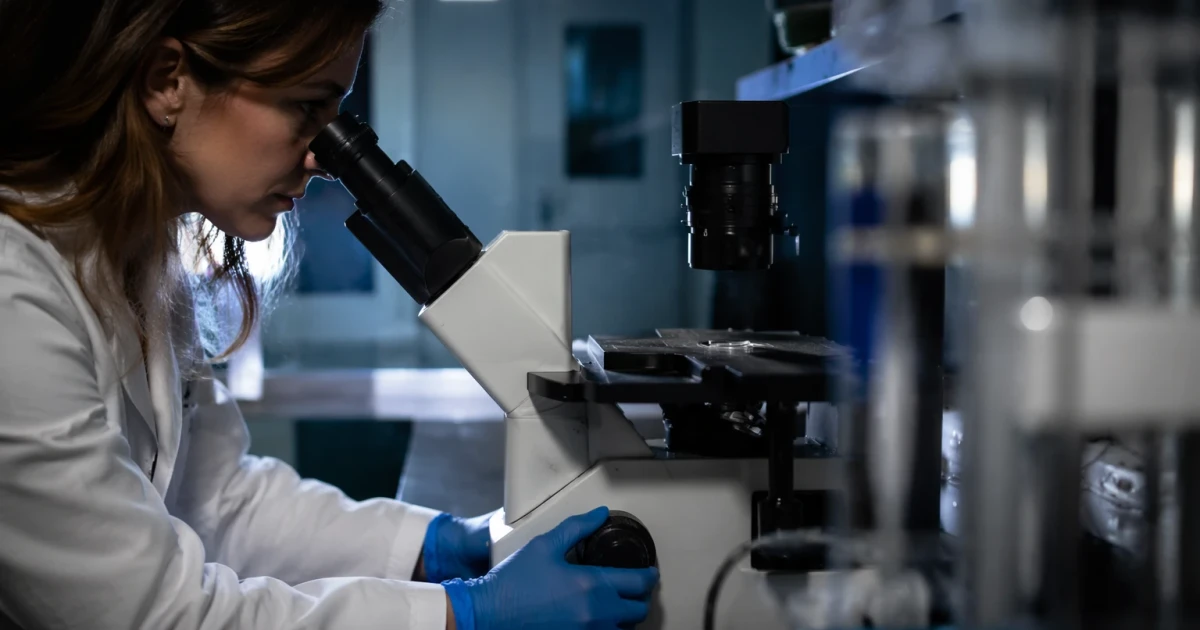
Scientists have moved a step closer to making human sperm outside the body, using stem cells and a mouse kidney to nurture immature cells that could one day help researchers understand infertility. The work is a biological milestone, but it remains far from a clinical product, with the cells still immature and not ready for use in fertility treatment.
The advance matters because infertility affects about 1 in 6 people of reproductive age worldwide, and the World Health Organization estimated in 2023 that roughly 17.5% of adults experience it over a lifetime. WHO says the condition can affect families and communities and that access to care remains unequal, leaving room for technologies that might someday expand options for people whose sperm production has been damaged by cancer therapy, genetic disorders or age-related decline.
The key scientific question is whether germ cells can be recreated outside the testes and still develop normally. In vitro gametes are eggs or sperm created in a laboratory by reprogramming cells such as stem cells or skin cells, and the Human Fertilisation and Embryology Authority has said research in this area is moving fast enough that fertility law may need to change. That does not make the mouse-kidney step a treatment. It shows that part of the developmental pathway can be reproduced under experimental conditions, not that a safe, scalable human system exists.
Safety concerns remain central. Researchers still need to prove that lab-grown sperm can mature correctly, carry the right genetic information and avoid harmful mutations or imprinting errors. HFEA reviews have repeatedly flagged incorrect imprinting as a major obstacle, because germ cells undergo epigenetic reprogramming that is difficult to duplicate in a dish. Nature reported in 2024 that recreating a crucial epigenetic reset step in the lab brought lab-grown sperm and eggs closer to reality, but that still left the field well short of routine use in people.
The ethical and regulatory pressure is rising alongside the science. The American Society for Reproductive Medicine said in its 2026 ethics opinion that in vitro gametogenesis is potentially groundbreaking but faces major scientific, ethical and societal challenges before it can be used in humans. The National Academies of Sciences, Engineering, and Medicine has said there is no consensus that IVG should be used clinically in humans yet and that the discussion must include diverse stakeholders. That debate will only intensify if researchers keep proving more of the biology in animal models and lab systems.
Nature’s earlier reporting showed how stepwise the field has been: in 2023, researchers created eggs from male cells in mice, and in 2025 it described the broader effort to make babies with lab-grown eggs and sperm. The latest mouse-kidney experiment is another proof of concept, important because it pushes reproductive biology forward, but still too early to be mistaken for a fertility solution.
Sources
- [1]nature.com
- [2]who.int
- [3]hfea.gov.uk
- [4]asrm.org
- [5]preview-www.nature.com