Science
Scientists find gallium’s hidden bonds return at higher temperatures
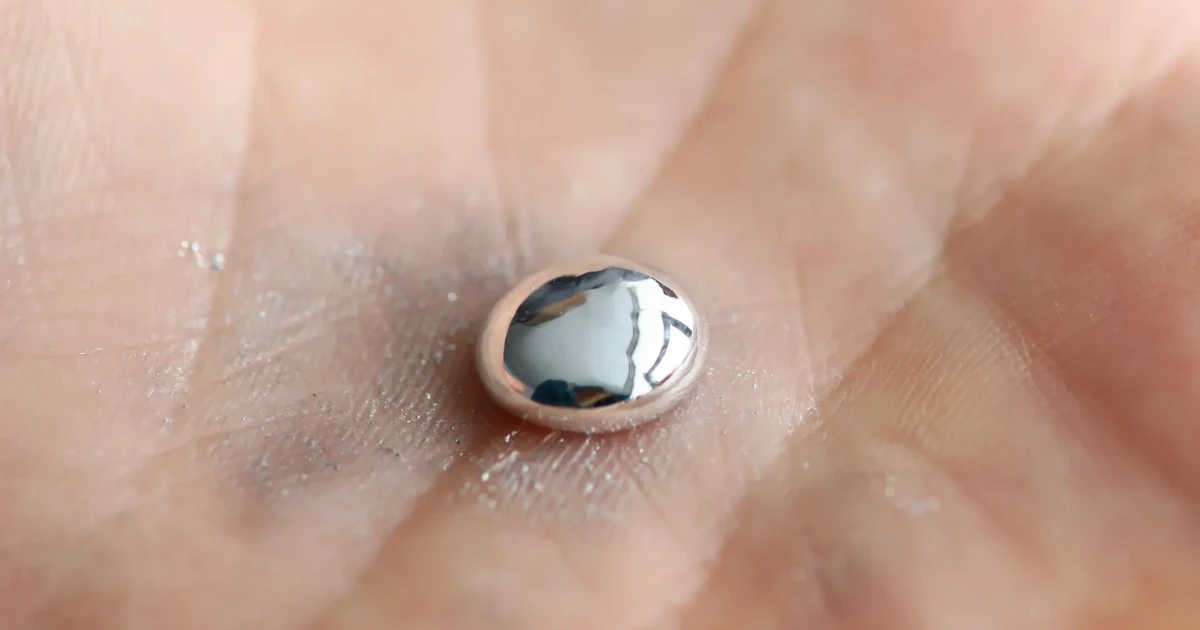
Gallium’s strange chemistry just got stranger. A University of Auckland-led study has shown that the metal’s covalent bonds do not simply vanish when it melts; they disappear at the melting point, then re-form at higher temperatures, overturning a long-standing assumption about how liquid gallium behaves.
The finding revises a story that began in 1875, when French chemist Paul-Émile Lecoq de Boisbaudran first identified gallium. The metal has long stood out for its exceptionally low melting point, the kind of property that makes a spoon made from it melt in hot tea. It is also unusual because its solid form is less dense than its liquid form, like ice floating on water, and because its liquid state contains dimers, pairs of atoms held together by covalent bonding more typically associated with nonmetals.
The study, published in Materials Horizons and written by Stephanie Lambie, Krista G. Steenbergen and Nicola Gaston, focused on the atomic structure of liquid gallium. The journal record shows the paper was received on June 24, 2024 and first published on September 7, 2024. Rather than treating melting as a one-way break with bonding, the researchers found that the liquid’s structure changes again at higher temperatures, bringing back the same kind of bond scientists had assumed was gone for good.
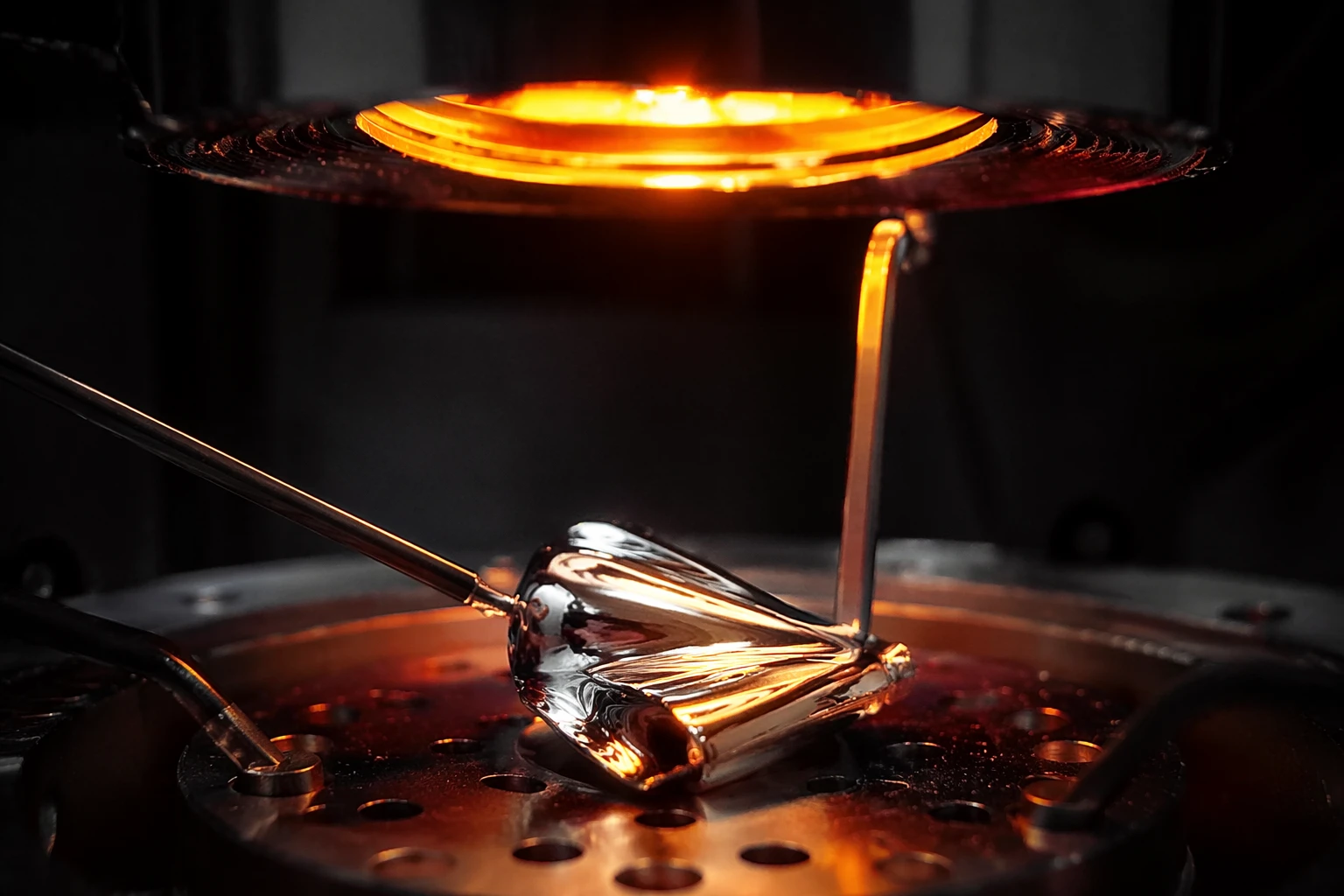
Nicola Gaston said thirty years of literature on liquid gallium had rested on a fundamental assumption that now appears to be wrong. The new interpretation points to entropy, the push toward greater disorder, as the driver of melting rather than simple bond destruction. That distinction matters for how scientists model phase changes in liquid metals and other exotic materials.
The practical implications reach beyond a single element. Gallium already matters in modern electronics and semiconductor manufacturing, and the revised picture of its liquid state could shape work in semiconductors, nanotechnology, liquid-metal engineering, flexible electronics and cooling systems. The broader liquid-metals literature has also treated gallium as a model system, which means a corrected atomic model could ripple into designs for battery components and catalytic reactions.
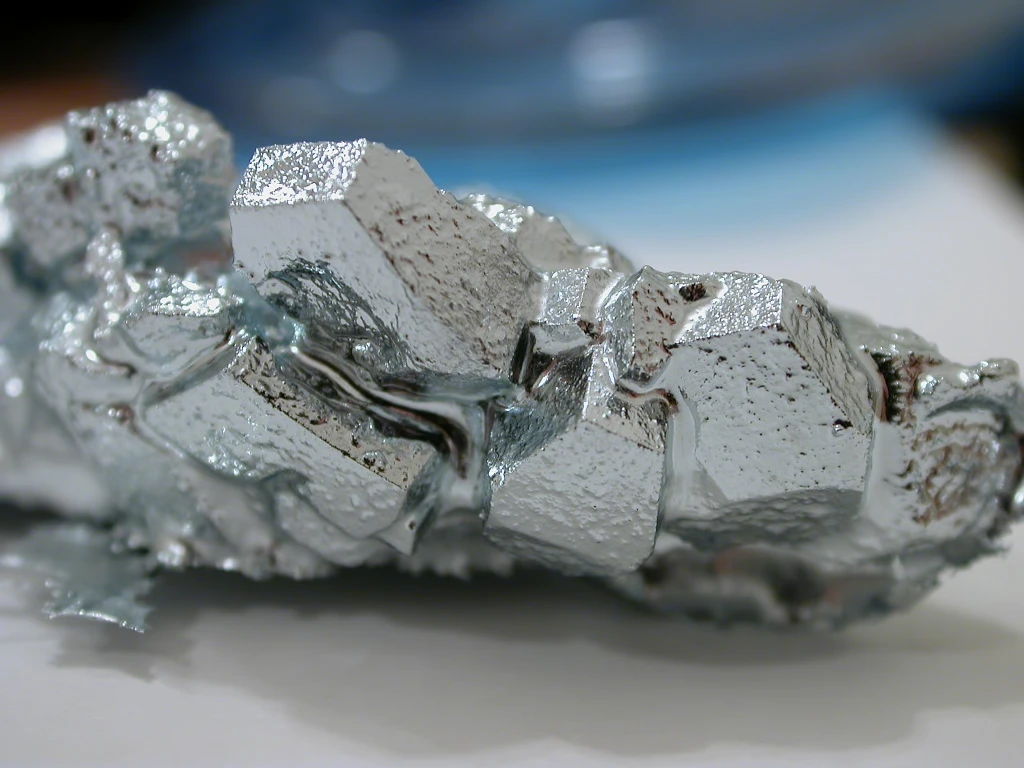
A later Materials Horizons paper from the same team reinforced that relevance, saying liquid-metal technologies are advancing rapidly and that doped liquid gallium systems can form diverse surface structures during cooling. Taken together, the studies show that one of the periodic table’s best-known metals still hides behavior that older measurements missed, and that a 150-year-old assumption can still distort the way researchers think about metals in practical devices.
Sources
- [1]sciencedaily.com
- [2]auckland.ac.nz
- [3]pubs.rsc.org