Health
Scientists find mammal regeneration may be dormant, not lost
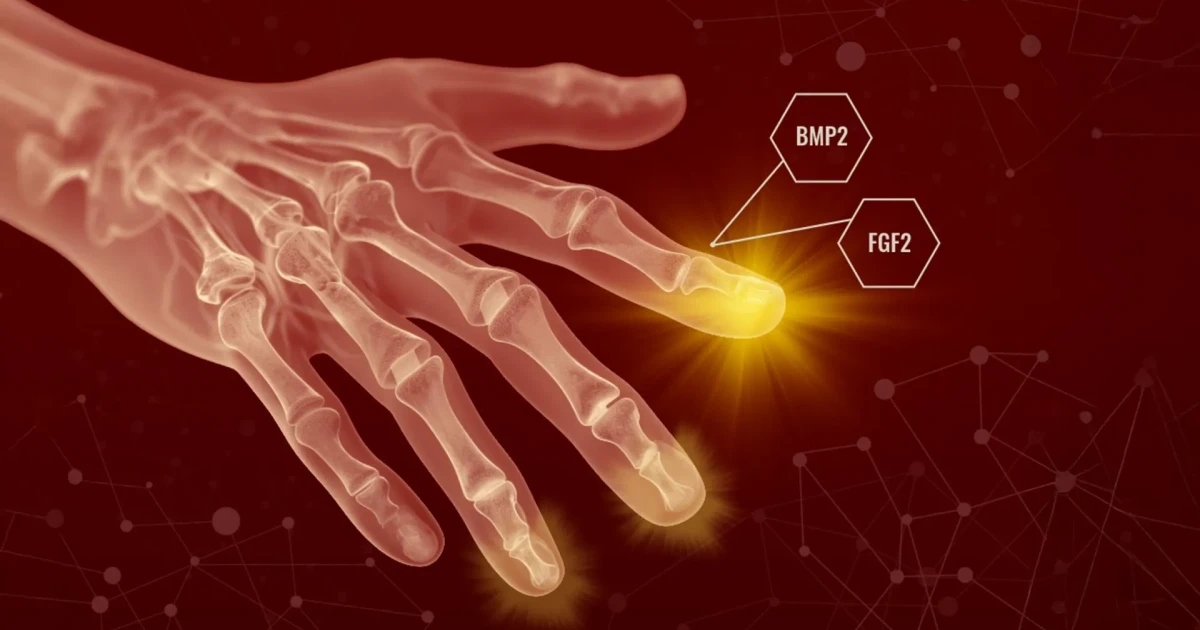
Researchers are challenging a basic assumption in medicine: that mammals heal by scarring because the machinery for regeneration is gone. In mice, they used a sequential growth-factor treatment to push injured tissue away from fibrosis and toward rebuilding bone, joint, tendon and cartilage, raising the possibility that regeneration in mammals may be dormant rather than absent.
The study, published in Nature Communications, tested a two-step approach that first let the wound close, then applied fibroblast growth factor 2, or FGF2, to stimulate a blastema-like structure. Several days later, the team added bone morphogenetic protein 2, or BMP2, to push those cells to form new structures. The result was not a perfect replacement for the lost digit, but it did produce regenerated phalangeal and sesamoid bones, tendon and ligament tissue, synovial joint structures and articular cartilage. The work replaced wound fibrosis after amputation with regeneration of amputated structural elements.
That distinction matters. Texas A&M researchers described the outcome as imperfect, but said the approach could more immediately reduce scarring and improve tissue repair after amputations. If the mechanism continues to hold up, the same logic could shape future treatments for traumatic injury, congenital defects and degenerative disease, where current care often focuses on closing wounds rather than rebuilding what was lost. The deeper implication is that the body may already contain much of the repair program, with healing steered by the right signal instead of bypassed by a wholly new one.
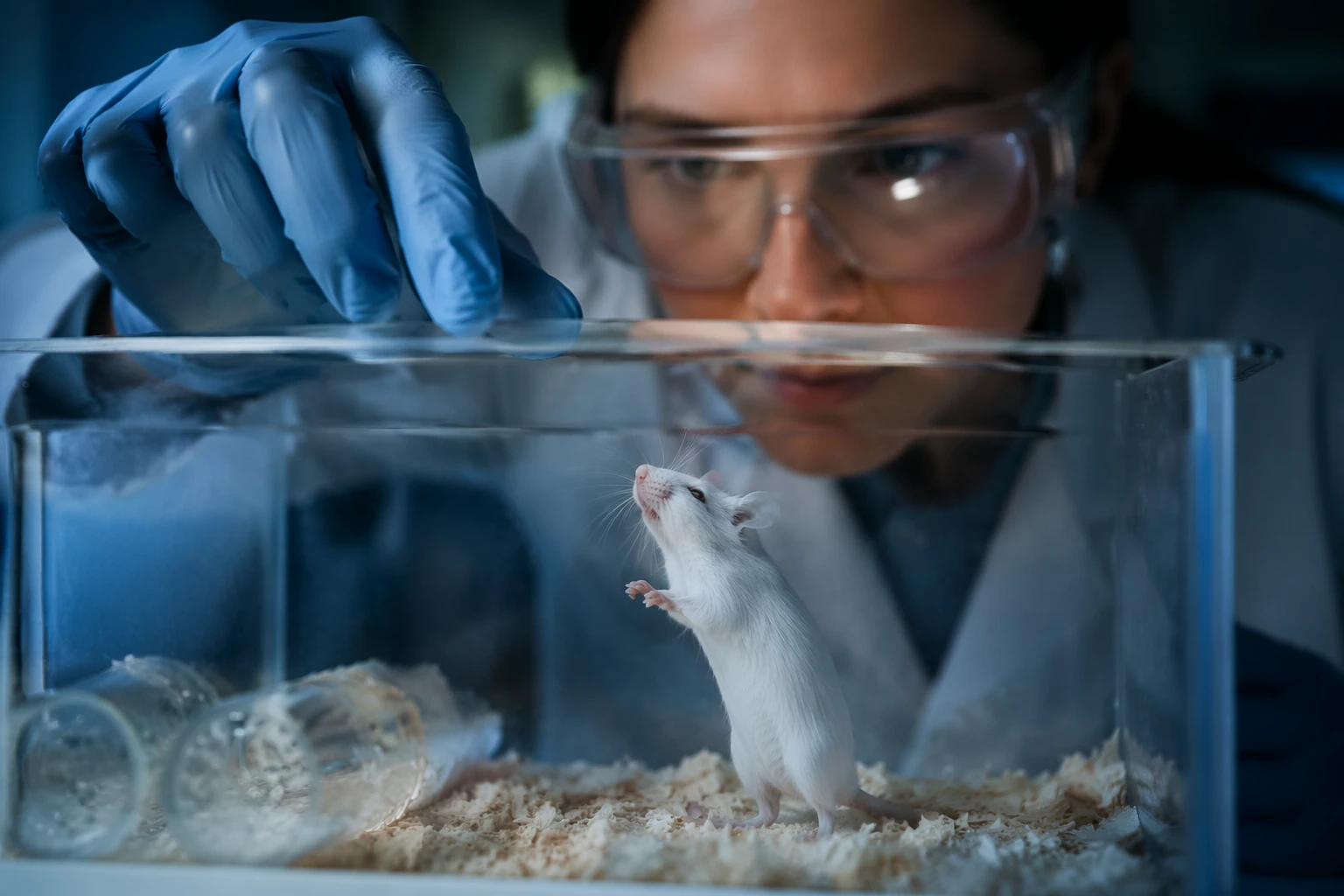
Ken Muneoka, a professor in the Texas A&M College of Veterinary Medicine and Biomedical Sciences and the Department of Veterinary Physiology & Pharmacology, has framed the work around a question that has lasted since Aristotle: why some animals regenerate while humans do not. Salamanders remain the classic example of a regenerative species, capable of regrowing entire limbs, while mammals usually seal injuries with scar tissue. In that sense, the mouse study sits between ordinary wound repair and true limb regeneration. It does not make mice salamanders, but it suggests that some of the instructions for renewal may still be present in mammalian biology.
The finding also tempers its own promise. The treatment was tested in mice, not humans, and the result was partial rather than complete regeneration. Even so, a proof of principle that mammalian wounds can be redirected from scar formation toward rebuilding tissue marks a significant shift in how regenerative medicine is being defined. The question is no longer only whether humans can regrow limbs. It is whether the biology for scar-free repair has been waiting, all along, for the right signal to wake it up.
Sources
- [1]sciencedaily.com
- [2]stories.tamu.edu
- [3]nature.com
- [4]e3.eurekalert.org