Health
Scientists find signs of unknown archaic human DNA in African genomes
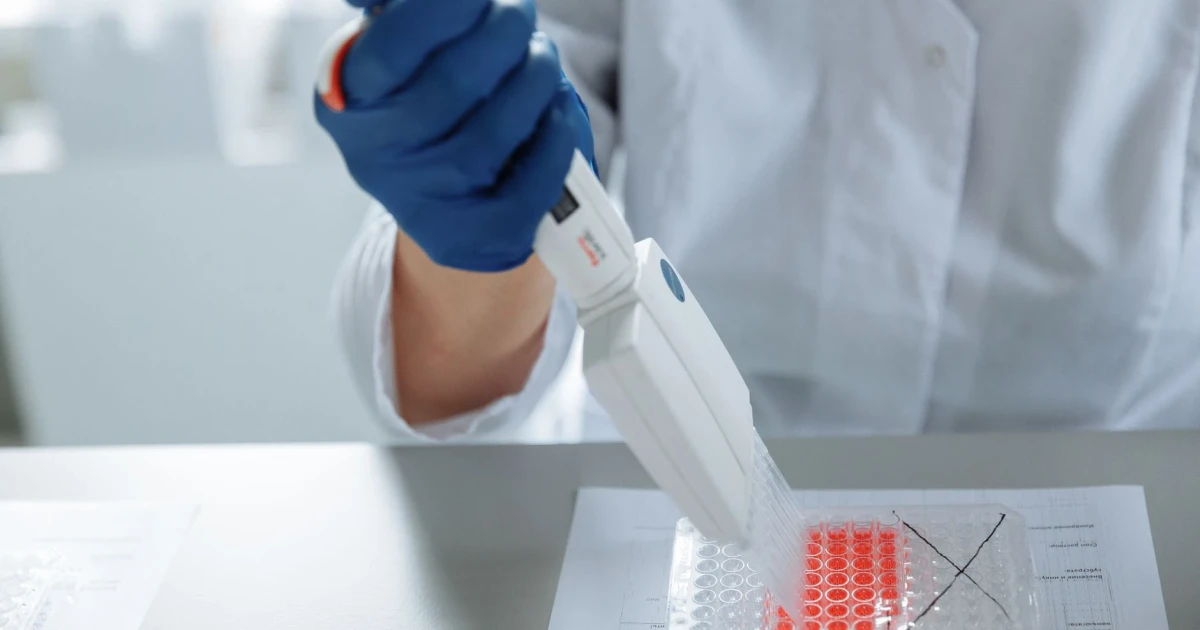
Modern African genomes carry DNA from an unknown archaic human lineage, a finding that pushes the human family tree beyond the familiar Neanderthal-only script. The signal comes from modern genomes, not from a named fossil group, which means the population left no identified bones or ancient DNA behind, yet still left a measurable mark on living people.
In 2020, a Science Advances paper titled Recovering signals of ghost archaic introgression in African populations found traces of this hidden lineage in African genomes. It estimated that the ghost population may have contributed between 2% and 19% of the ancestry in some modern West African populations, with interbreeding occurring about 43,000 years ago. That places the mixing deep in the era of anatomically modern humans, but long after the split from other archaic branches had already begun to complicate the story of our origins.
The broader picture is even less tidy than a simple Africa-versus-outside-Africa divide. A separate 2020 study by Joshua Akey found all modern humans carry some Neanderthal ancestry, including Africans. African populations likely picked up some of that Neanderthal DNA later, through back-migration into Africa by people who had already left the continent. In other words, Africa is not genetically isolated from archaic human history; it is one of the places where that history was folded back in.
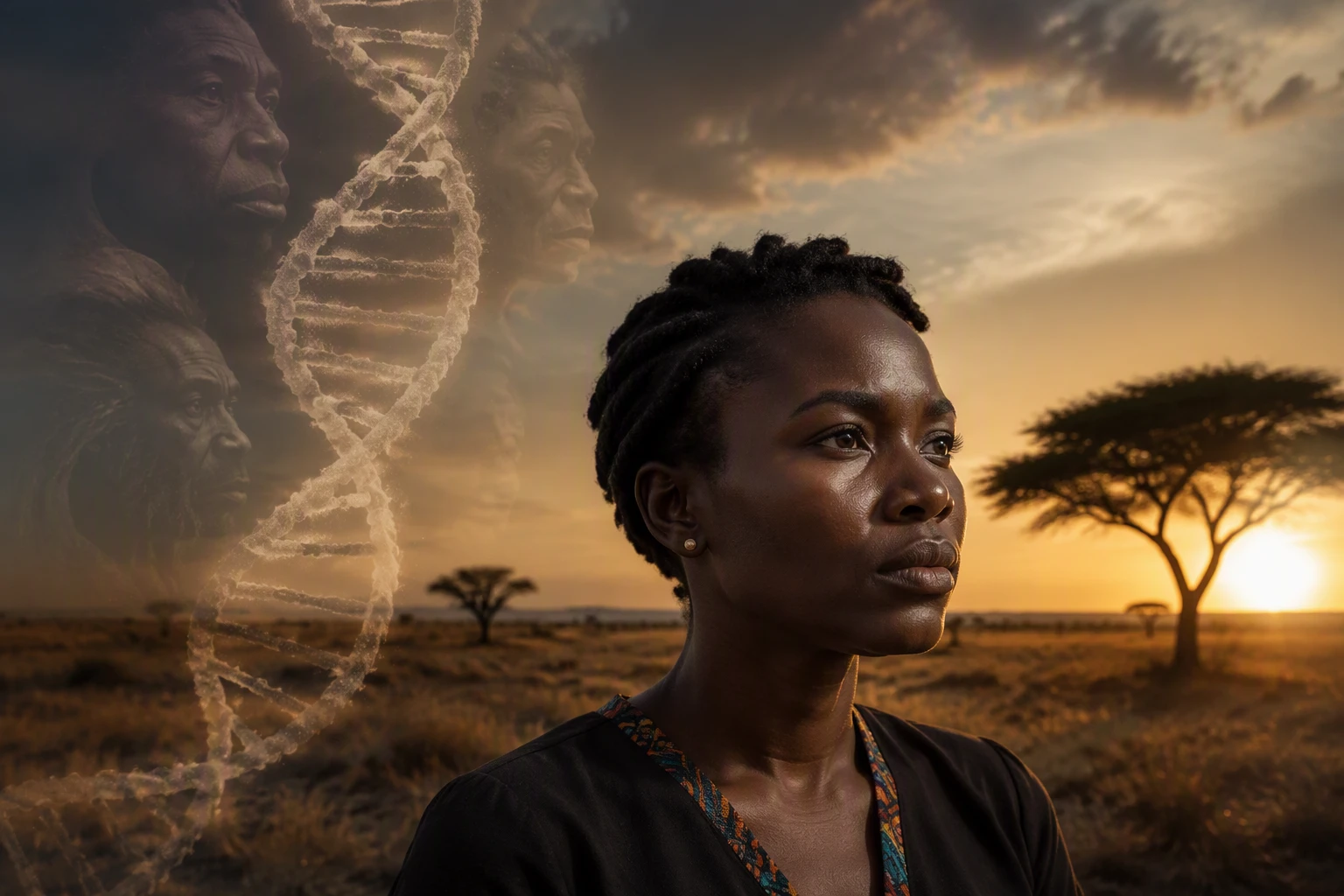
Scientists cannot read a ghost population directly from DNA the way they can sequence a known fossil specimen. What they can do is use statistical patterns to infer that a stretch of DNA is unusually old, unusually divergent, and best explained by introgression from an extinct relative. A UCLA study used statistics rather than ancient DNA to look back more than 600,000 years and identify a genetic link to an extinct relative of humans in four modern West African populations.
In May 2025, anthropologist John Hawks wrote that genetic models are finding more and more unknown lineages. Researchers now have evidence of modern human interbreeding with two much older but unknown ancestors.
Sources
- [1]arstechnica.com
- [2]science.org
- [3]bbc.com
- [4]princeton.edu
- [5]newsroom.ucla.edu
- [6]johnhawks.net
- [7]news.berkeley.edu