World
Scientists hunt Pacific coral strongholds to revive damaged reefs
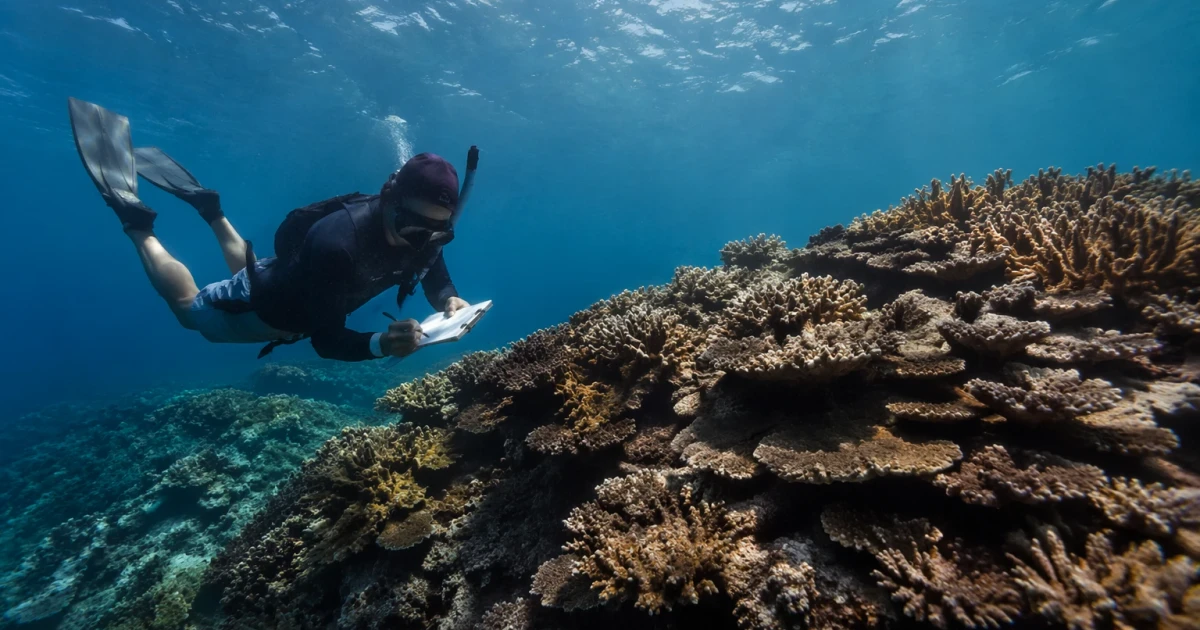
The race is no longer just about measuring coral loss. It is about finding the reefs that still have a chance to survive, then protecting them before heat, pollution, overfishing, or reckless development erase the last durable pockets of resilience.
At the center of that effort is Anne Cohen, a tenured scientist at Woods Hole Oceanographic Institution, who is searching the Central Pacific for heat-resilient “super reefs.” In the Marshall Islands, Cohen has been using an unmanned surface vehicle called Yellowfin to locate and return to reef sites she has studied for years, part of a push to identify coral strongholds that could help repopulate more degraded reefs across the region.
Why survivor reefs matter now
The urgency comes from a bleaching crisis that has become global in scale. Since 2023, record-breaking marine heat waves have driven what scientists describe as the most severe coral bleaching event ever recorded, with more than 80% of the world’s reefs affected across at least 83 countries and territories. A separate analysis from The Nature Conservancy put the toll even higher, saying more than 84% of reefs have been hit by temperatures hot enough to cause bleaching.
That ecological damage carries strategic weight. Coral reefs cover less than 1% of Earth’s surface, yet they support 25% of all marine life, and more than 1 billion people depend on them for food, income, and daily survival. In the Marshall Islands, local advocates warn that reef decline is not an abstract environmental metric, but a direct threat to fisheries, food security, livelihoods, and cultural continuity.
How the search for strongholds works
Cohen’s work in the Marshall Islands is part field science, part triage. She visited the country in April 2026 to formally pitch the super-reefs idea and test technology she believes could speed the hunt for reefs that can endure repeated heat stress. Yellowfin gives researchers a way to map, revisit, and compare reef sites in the Central Pacific without relying only on slower or more limited ship-based surveys.
The logic is straightforward: if certain reefs consistently withstand heat better than nearby systems, they may serve as seed banks for restoration, sources of larvae, and living evidence that adaptation is still possible. But that promise depends on protection. The strongest reefs can still be lost to local pressure long before climate policy catches up.
The global map of resilience is expanding
A major June 2026 analysis sharpened that argument with hard numbers. Scientists identified about 166,000 square kilometers, or 64,000 square miles, of coral reefs that may be capable of surviving and recovering from climate change, roughly three times more than previously estimated. The finding was based on more than 45,000 coral surveys and decades of climate and ocean data, and it identified resilient reefs across 71 countries and 100 territories.
That study has pushed many experts toward a triage mindset. The conclusion is not that every reef can be saved in the same way, but that the most resilient sites deserve urgent protection because they may hold the genetic and ecological material needed to rebuild surrounding areas. In policy terms, survivor reefs are no longer just scientific curiosities. They are infrastructure for recovery.
Pacific evidence is changing the conversation
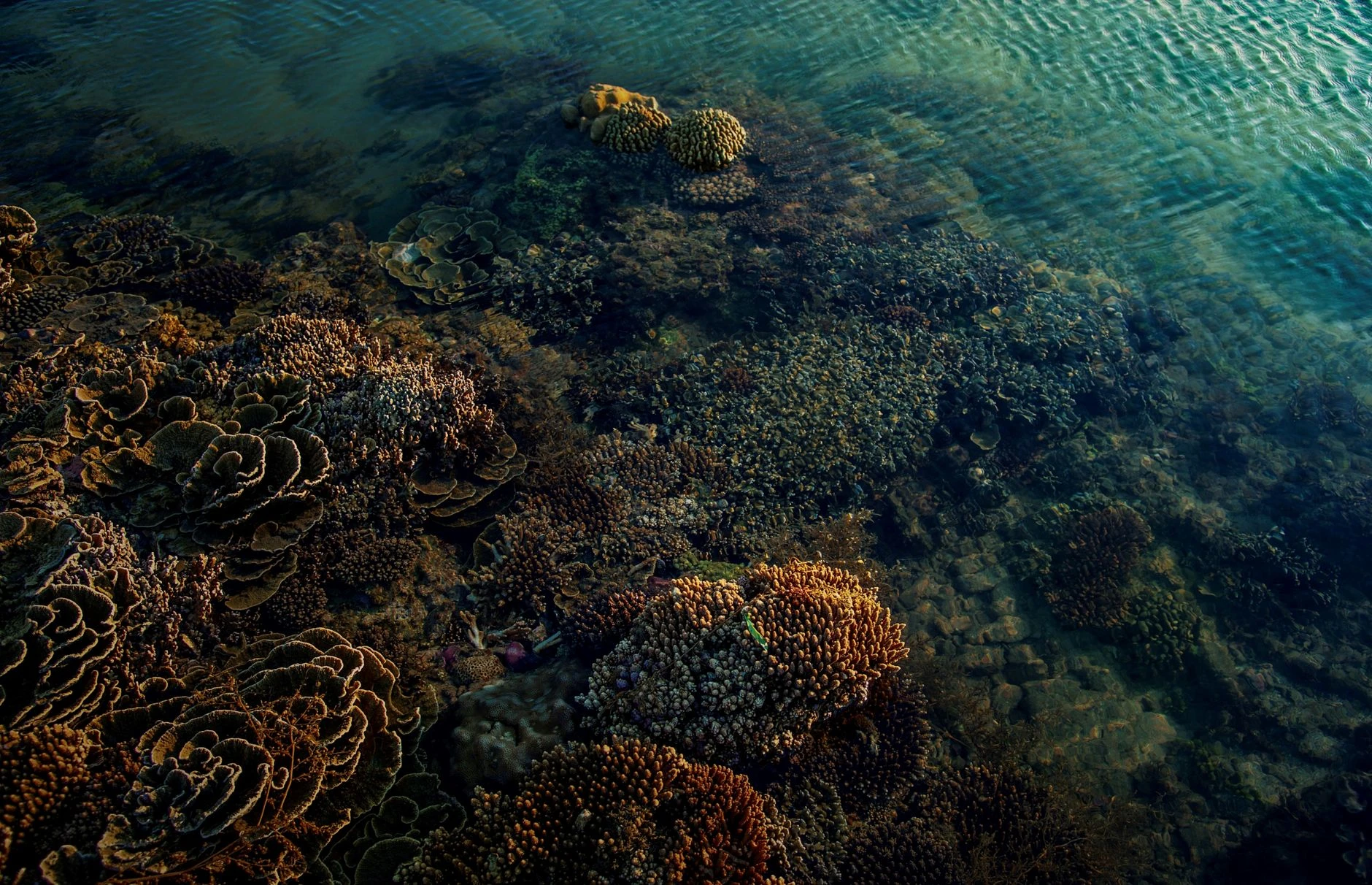
The Pacific is producing some of the clearest signs that reef resilience can be stronger than expected. On the Houtman Abrolhos Islands off Western Australia, researchers found reefs that appeared virtually unharmed after a 2025 heatwave that devastated nearby Ningaloo Reef. In that study, survival rates at 8 °C-weeks were twice as high and bleaching resistance nearly four times higher than accepted thresholds.
That result matters because it challenges the assumption that once heat stress reaches a certain level, reef collapse is inevitable. Instead, it suggests there are biological and environmental combinations that can buy time, even in a warming ocean. For conservation planners, those outliers may be the difference between managing decline and preserving a functioning future reef network.
Restoration is moving from theory to engineering
The search for survivor reefs is also reshaping restoration strategy in Florida. In July 2025, NOAA said it awarded $16 million to the University of Miami Rosenstiel School of Marine, Atmospheric, and Earth Science for coral breeding and restoration work built around heat resilience. The agency’s Mission: Iconic Reefs aims to raise coral cover in the Florida Keys from 2% to 25% across seven key sites.
The toolkit is increasingly sophisticated. Restoration teams are using selective breeding, including crosses with heat-adapted Honduran corals, along with symbiont and probiotic treatments, bioprinting coral babies, and conditioning corals in high-temperature environments. Those methods are meant to future-proof reefs after Florida’s severe 2023 bleaching event, while also testing which interventions can scale beyond one coastline.
What the Marshall Islands show about governance
The Marshall Islands highlight the political side of reef survival. Protecting strongholds is not simply a matter of drawing lines on a map. It requires managing fishing pressure, curbing pollution, and limiting unsustainable development in places where local communities depend on the sea every day.
That is why the search for survivor reefs has become a test of institutional seriousness. If resilient reefs can be identified early, protected decisively, and connected to restoration efforts elsewhere, they may offer a rare path through the climate crisis. If they are lost before that happens, the world will have squandered one of the few remaining chances to let adaptation keep pace with ocean warming.