World
Scientists identify climate-resilient coral reefs across 71 countries
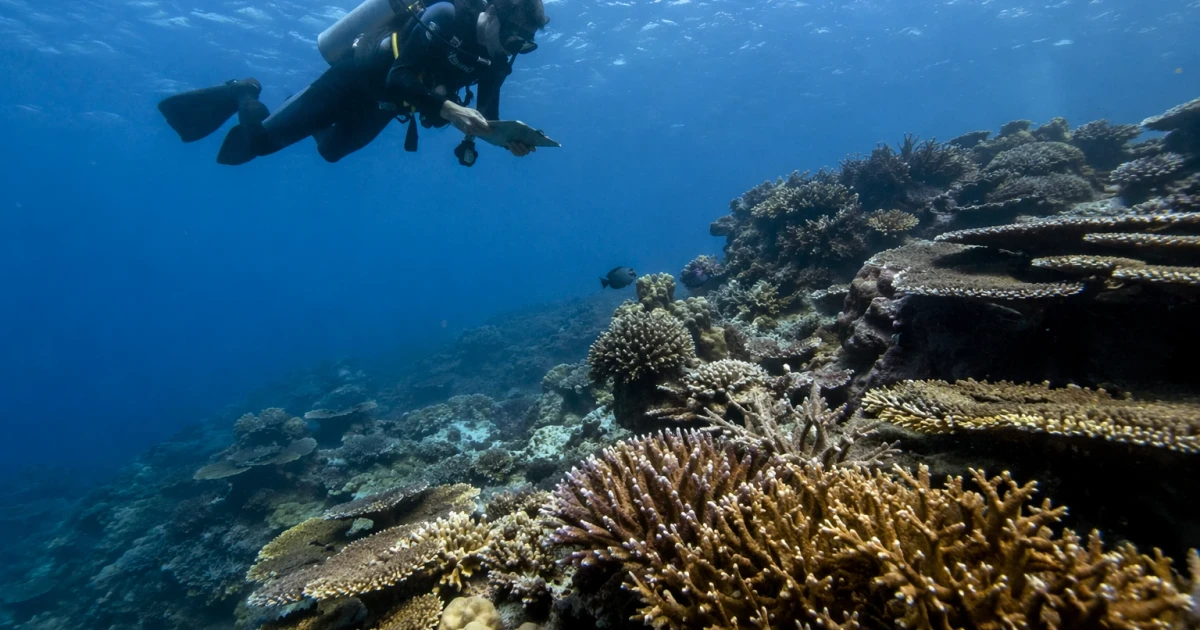
A new map of coral survival has redrawn the conservation debate: about 165,922 square kilometers of reefs across 71 countries and 100 territories and jurisdictions may be able to withstand or recover from climate change. The finding does not make reefs safe; it identifies where limited money, enforcement and restoration could still buy time.
The estimate comes from more than 45,000 coral surveys combined with decades of climate and ocean data, and it points to a pattern that matters for policy. Some reefs appear resilient because they sit in cooler ocean pockets. Others are dominated by branching or plating corals, or have shown a stronger ability to bounce back after disturbance. In practical terms, climate-resilient does not mean climate-proof. It means these reefs are better candidates for protection because they still have a plausible chance of surviving repeated heat stress, storms and bleaching.
That distinction matters because the stakes are enormous. Coral reefs support more than 500 million people through food and income, and the Wildlife Conservation Society says they underpin the well-being of nearly 1 billion people. They also cover less than 1 percent of the ocean while supporting more than 25 percent of marine life. Against that backdrop, the Intergovernmental Panel on Climate Change has warned that coral reefs would decline by 70 percent to 90 percent with 1.5 degrees Celsius of warming, and that virtually all warm-water reefs would be lost at 2 degrees.
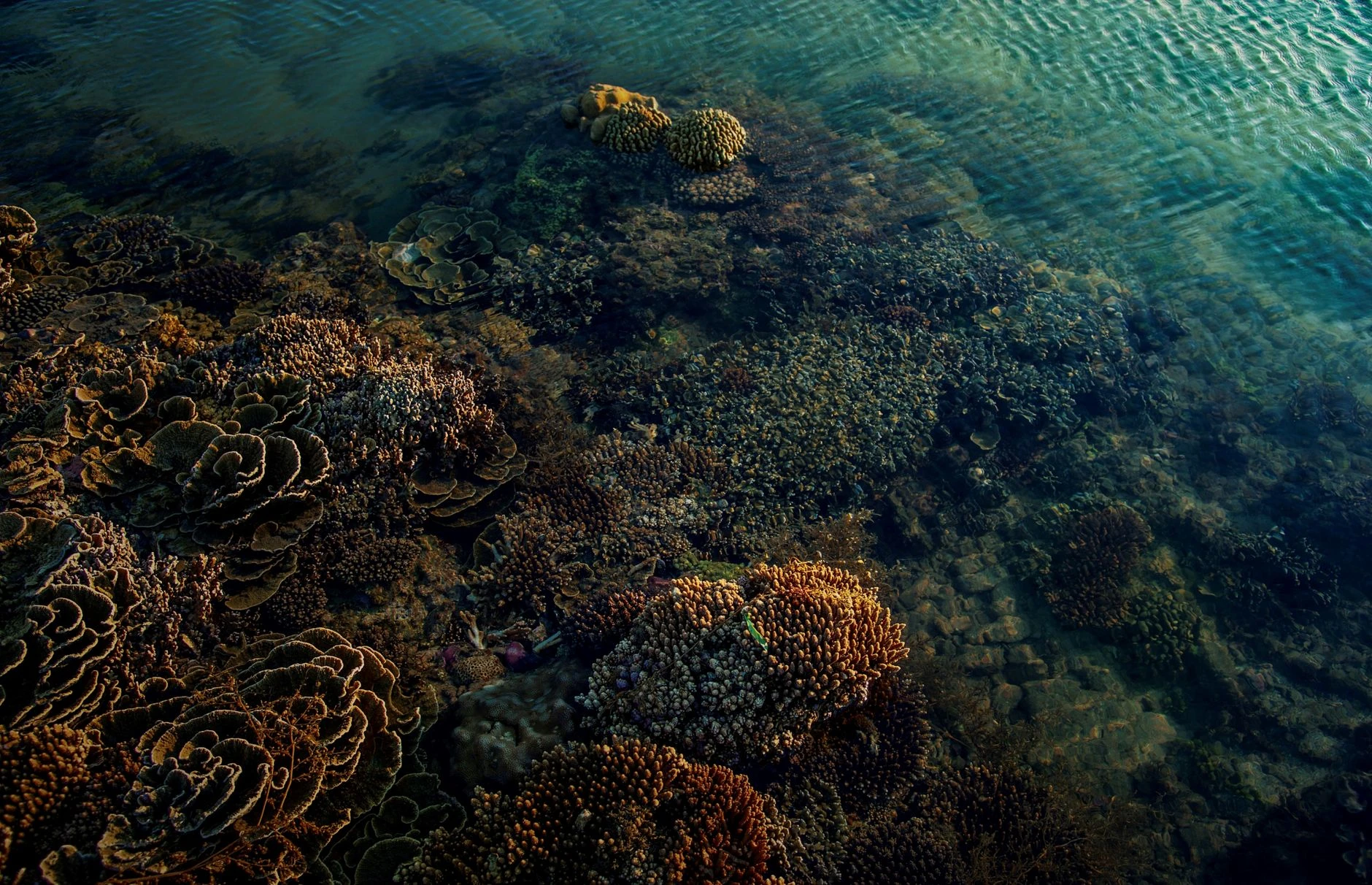
The new map therefore functions as a triage tool. It does not suggest that reef decline can be ignored; it shows where action is most likely to matter. That is especially important because less than a third of the climate-resilient reefs identified are already inside protected or conserved areas. The gap is now less about scientific uncertainty than political and budgetary choices.
Wildlife Conservation Society has tied the findings to its 2025-2030 Coral Reef Conservation Strategy, which aims to mobilize 31 countries containing more than 90 percent of the world’s reef area to protect climate-resilient reefs by COP31 in 2026. That goal sits alongside the broader 30 by 30 push to protect 30 percent of land and marine areas by the end of the decade. The message from the science is blunt: the world still has reef strongholds, but only if governments and donors treat them as priorities now.
Sources
- [1]straitstimes.com
- [2]reuters.com
- [3]ipcc.ch
- [4]newsroom.wcs.org
- [5]wcs.org