Science
Scientists Pinpoint Key Rift Zone Splitting Africa
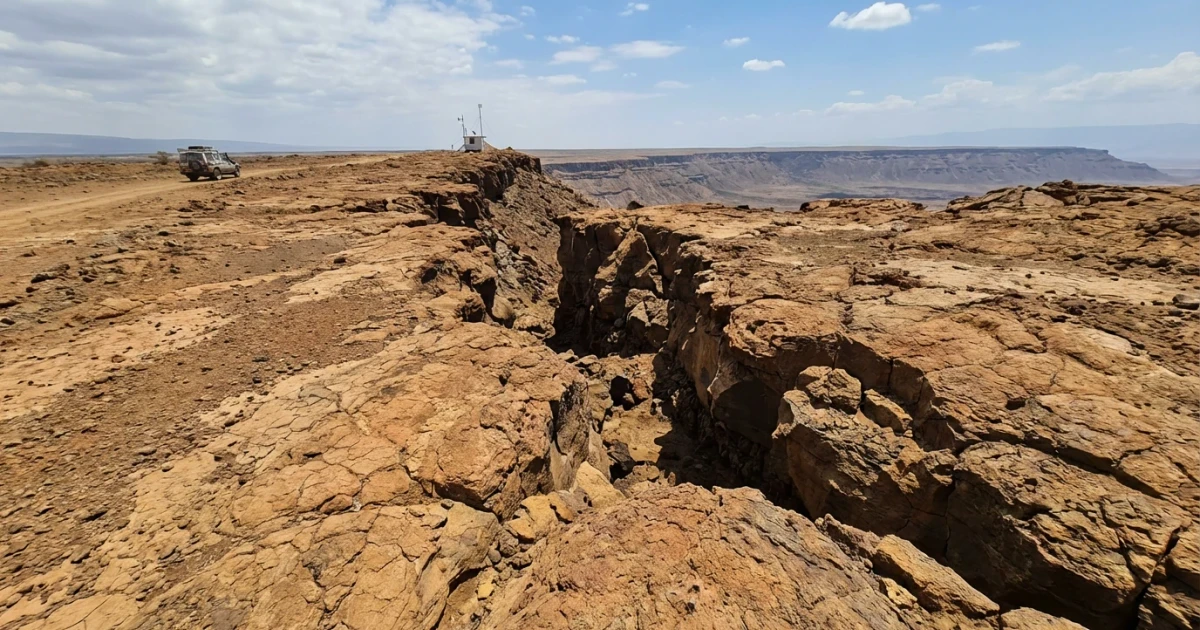
Scientists are shedding new light on the dramatic geological processes underway in East Africa, as they have pinpointed the Turkana Rift Zone as a critical fracture point where the continent is slowly splitting apart. Recent research highlights the ongoing activity in the region, offering fresh perspectives on how the East African Rift System is priming eastern Africa for an eventual continental breakup.
The Turkana Rift Zone: A Key Fracture in Africa
The Turkana Rift Zone sits at the heart of the East African Rift, a geological feature stretching thousands of kilometers from the Red Sea down to Mozambique. According to The Daily Galaxy, recent scientific efforts have focused on this area, revealing significant 'necking'—a process where the Earth's crust thins and stretches, indicating heightened tectonic activity. This thinning is regarded by geologists as a precursor to the formation of a new ocean basin, as the continent gradually pulls apart.
- The East African Rift System covers over 3,000 kilometers and is one of the most prominent active rift systems on Earth.
- The Turkana Rift Zone is considered a geological "weak spot," where crustal deformation is most pronounced.
- According to research published in Earth and Planetary Science Letters, seismic and geodetic data indicate accelerating rift activity in the Turkana region, marking it as a likely site of initial breakup.
Continental Breakup: How Africa Is Splitting
The East African Rift is a classic example of a divergent plate boundary. Here, the African Plate is dividing into two sub-plates—the Nubian and the Somali plates. Over millions of years, this process could eventually separate eastern Africa from the rest of the continent, forming a new ocean. The Daily Galaxy reports the latest findings suggest that the Turkana Rift Zone is "priming" the region for this eventual split.
- Geological surveys have detected increased seismic activity and crustal thinning in the Turkana Rift Zone, supporting theories of imminent rift evolution.
- Satellite imagery from NASA Earth Observatory shows visible fractures, fault lines, and subsidence in the area.
- Environmental datasets from the UNEP Data Portal reveal changing lake levels and landforms along the rift, reflecting ongoing tectonic shifts.
What Makes the Turkana Rift Zone Unique?
Unlike other segments of the East African Rift, the Turkana region is distinguished by its complex geological structure and relatively thin crust. This makes it more susceptible to rapid deformation and seismic events. Recent peer-reviewed analyses highlight the role of the Turkana Rift in "necking," where crustal material is stretched to its limits, potentially leading to rupture.
- The latest research indicates that the Turkana Rift has reached a critical threshold of crustal thinning.
- Geophysical monitoring by projects like GFZ Potsdam documents ongoing subsidence and fault movement.
- Nature Geoscience studies show the area is experiencing active rifting, with geodetic measurements confirming the rate of plate divergence.
Broader Implications for Africa and Beyond
The identification of the Turkana Rift Zone as a critical fracture point has significant implications for both scientific understanding and regional planning. Geologists warn that continued rift activity could lead to earthquakes, volcanic eruptions, and shifts in water resources across eastern Africa. The Daily Galaxy reports that researchers are monitoring the region closely, using advanced satellite technology and ground-based sensors to track changes.
While the process of continental breakup will unfold over millions of years, the research underscores how dynamic Earth's surface remains. The Turkana Rift Zone is now recognized as a focal point for understanding the evolution of continents and the forces shaping our planet.
Looking Ahead
As scientists continue to study the East African Rift and the Turkana region, ongoing discoveries will inform global geological models and help communities prepare for future tectonic events. The latest findings mark a milestone in the quest to understand continental rifting, highlighting the Turkana Rift Zone as a key to Africa's geological future.