Science
Scientists Probe Mysterious Black Hole Burst
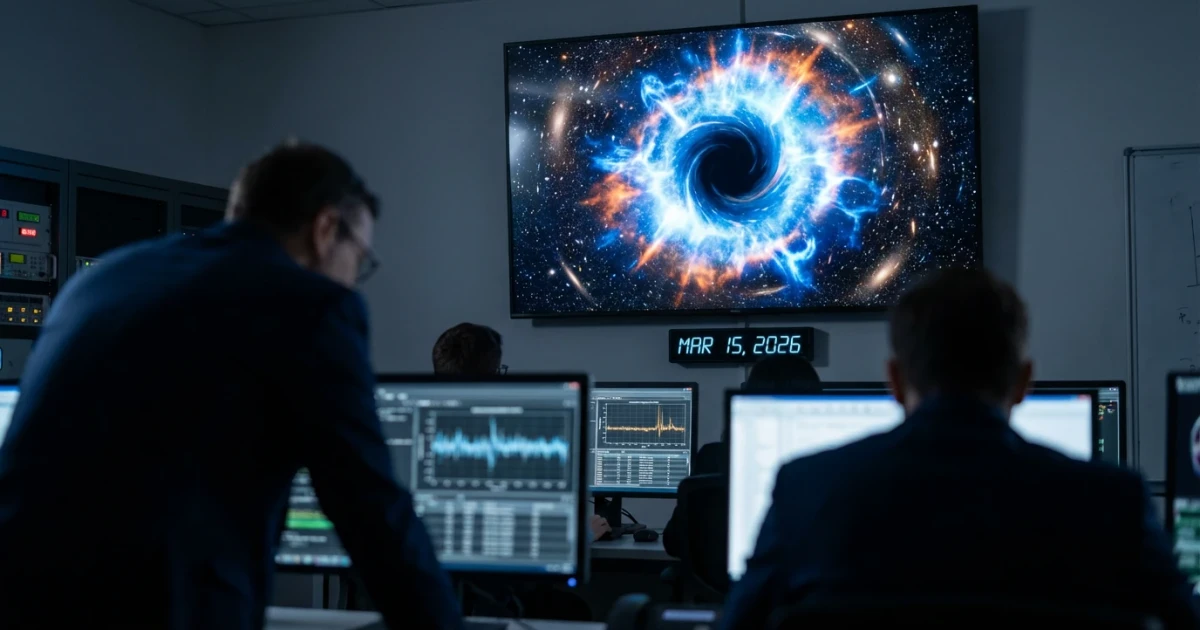
Astrophysicists around the world are closely analyzing data following a recent, unprecedented cosmic event that some believe could be the first detection of an exploding black hole. The event, which triggered excitement and debate across the astronomical community, raises new questions about the life cycle of black holes and the extremes of high-energy astrophysics.
What Sparked the Mystery: A Sudden High-Energy Burst
The intrigue began when researchers monitoring the Swift Gamma-Ray Burst satellite observed an unusually intense, short-lived burst of high-energy radiation. Such gamma-ray bursts are typically associated with phenomena like supernovae, neutron star collisions, or the merging of compact objects. However, the characteristics of this event did not neatly fit patterns seen in previous detections, prompting speculation about a new kind of astrophysical process.
According to data from the LIGO/Virgo gravitational wave event database, no corresponding gravitational wave signal was detected, which might have indicated a merger. This absence deepened the mystery, leaving open the possibility of a different mechanism at play.
Could Black Holes Actually Explode?
Traditionally, black holes are thought to be the universe’s ultimate sinks, from which nothing, not even light, can escape. However, some theoretical models, as explained on NASA’s Black Holes explainer, predict that under rare circumstances, black holes could emit intense bursts of energy through processes such as Hawking radiation or black hole evaporation. These ideas, while fascinating, have remained largely theoretical due to the lack of direct observational evidence.
Analysis by the NASA HEASARC Archive and mission teams supports that the detected burst’s properties—such as its rapid rise and decay time and its energy spectrum—do not match those of known gamma-ray burst progenitors. This has led some researchers to cautiously propose that the event could represent the explosive end of an evaporating primordial black hole, a scenario long postulated but never confirmed.
Scientific Debate and Community Response
Reporting from The New York Times highlights the atmosphere of both excitement and skepticism. While the possibility of witnessing a black hole explosion has captured the public imagination, many astrophysicists urge caution. Alternative explanations, such as an unusual flaring episode from a magnetar or a previously unknown type of stellar collapse, are also under consideration.
On the Chandra X-ray Observatory’s research portal, scientists emphasize the need for more data and cross-wavelength observations to confirm the event’s nature. As with many extraordinary claims in astrophysics, confirmation will require repeatable evidence and further scrutiny from multiple observatories around the globe.
Potential Implications for Black Hole Physics
If confirmed, the detection would have far-reaching implications for our understanding of black holes and fundamental physics. It would offer the first observational evidence for processes like black hole evaporation, support aspects of quantum gravity theory, and potentially explain some dark matter phenomena, as outlined by the European Space Agency’s black hole facts and figures reference.
- No gravitational wave signature was detected during this event, ruling out some merger scenarios.
- The energy profile and duration of the burst differ from typical supernovae or neutron star collisions.
- This may represent the first observational evidence of a black hole explosion, though confirmation is pending further data.
Looking Ahead
As telescopes and satellites continue to monitor the skies for follow-up signals, the astronomical community remains alert for additional clues. Whether this event marks the first detection of an exploding black hole or leads to the discovery of a new class of cosmic phenomena, it underscores the dynamic and evolving nature of our understanding of the universe.
For readers interested in delving deeper, live data on gamma-ray burst detections, the gravitational wave event database, and the official NASA HEASARC archive offer ongoing updates and event logs. As new evidence emerges, scientists and the public alike will be watching closely for answers to one of the cosmos’s most compelling mysteries.