Health
Scientists Propose New Theory on How Alzheimer’s Begins
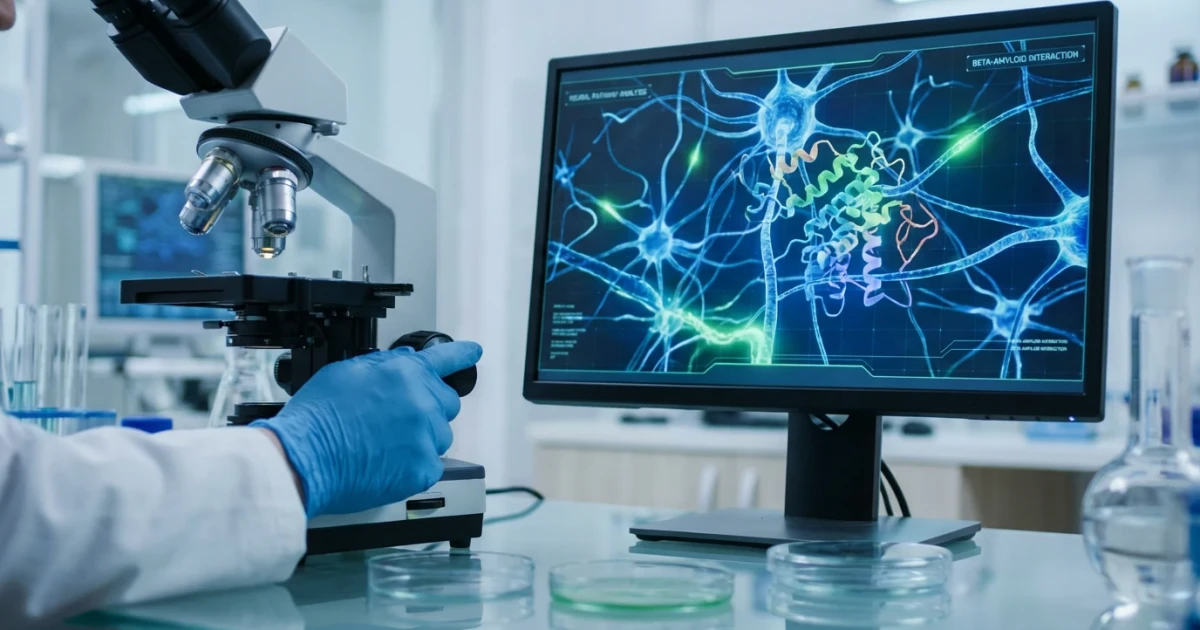
A team of researchers has introduced a unifying theory that may clarify how Alzheimer’s disease emerges and progresses in the brain. This fresh perspective, covered by ScienceAlert, aims to bring together decades of research, potentially altering how scientists approach one of the most complex neurodegenerative disorders.
Understanding the New Theory
Alzheimer’s disease has long puzzled scientists, with debates centering on the roles of amyloid plaques, tau tangles, and neurodegeneration. The new theory seeks to unify these findings, weaving together the most prominent hypotheses. According to ScienceAlert, the researchers argue that a cascade of molecular events triggered by protein misfolding ultimately connects the hallmark features seen in Alzheimer’s brains.
- Amyloid plaques (clumps of beta-amyloid protein) are often the earliest detectable abnormality.
- Tau tangles (twisted fibers of the tau protein) accumulate inside neurons, contributing to cell death.
- Neurodegeneration follows these changes, leading to memory loss and cognitive decline.
The research article that underpins this theory presents a detailed mechanism explaining how these processes interconnect. It suggests that disturbances in the brain’s protein clearance systems, especially involving the glymphatic pathway and cellular autophagy, play a central role in disease onset. Over time, the accumulation of toxic proteins impairs neuronal function and triggers inflammation, further worsening the disease process.
Bringing Together Decades of Research
ScienceAlert notes that this integrative model draws on a wide range of experimental findings. The Alzforum research models database catalogs the variety of laboratory systems used to study Alzheimer’s, from animal models to cell cultures. By referencing these diverse approaches, the unifying theory acknowledges the complexity of the disease while providing a structured framework for future investigation.
Key implications from the new theory include:
- Early intervention strategies could target protein clearance mechanisms.
- Future drug development may focus on halting the cascade before widespread neurodegeneration occurs.
- Diagnostic tools might be refined to detect disruption in protein homeostasis earlier than ever before.
Potential Impact on Alzheimer’s Research
According to the latest Alzheimer’s Disease Data Initiative, millions are affected worldwide, with prevalence expected to rise sharply as populations age. A unifying theory, if validated, could accelerate both research and clinical advances by guiding scientists toward the most promising therapeutic targets and biomarkers.
While the unifying theory is still under debate and requires further experimental validation, it offers a roadmap for integrating seemingly disparate lines of evidence. As the authors point out, this approach could help resolve longstanding controversies within the field.
What Happens Next?
Researchers are now working to test the predictions of this theory in experimental models and patient studies. Large-scale data from platforms like the Global Alzheimer’s Association Interactive Network are expected to play a critical role in confirming or refuting the model’s key claims.
As new findings emerge, this unifying framework may help the scientific community move closer to breakthroughs in early detection, prevention, and effective treatment for Alzheimer’s disease.