Science
Scientists Race to Track Swamp Methane’s Climate Impact
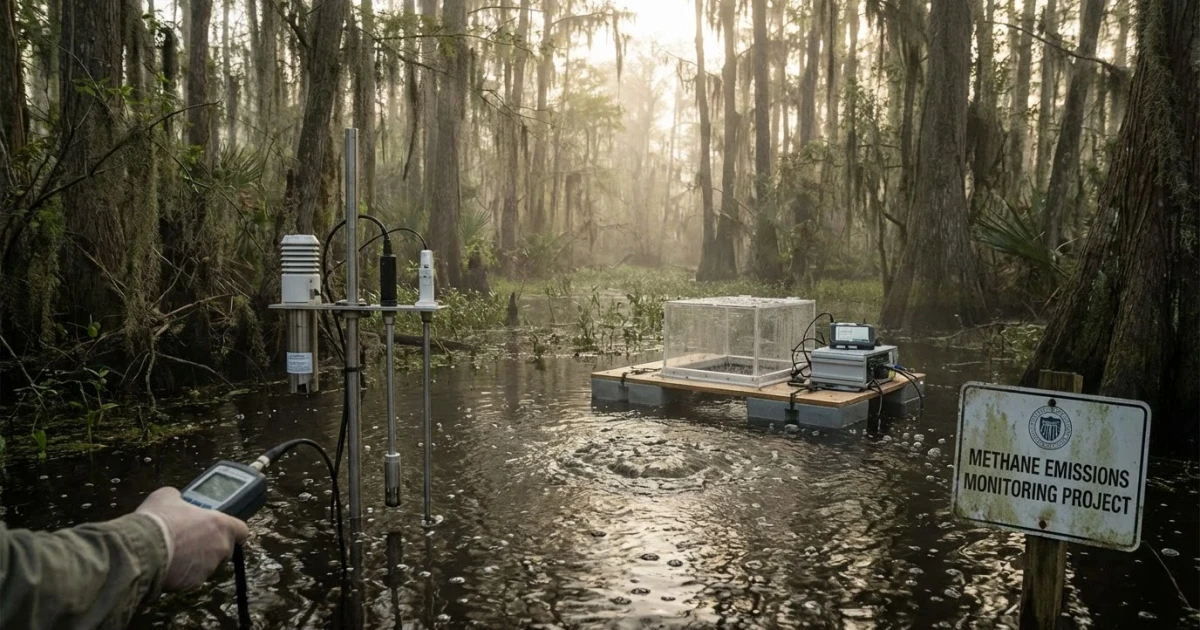
Scientists and environmental researchers are intensifying efforts to track methane emissions from wetlands and swamps, as new evidence suggests these natural sources are playing a larger role in global methane emissions and driving climate warming at an accelerating pace.
The Role of Methane in Climate Change
Methane is a potent greenhouse gas, with a global warming potential more than 25 times that of carbon dioxide over a 100-year period. While methane is released from a variety of sources, including agriculture, fossil fuel extraction, and waste, natural sources like wetlands and swamps are responsible for a significant share of global emissions. According to the Global Carbon Project’s methane budget, wetlands are the largest single natural source of methane, with emissions fluctuating due to climate conditions and ecosystem changes.
Cleaner Air and Unexpected Methane Buildup
During global lockdowns prompted by the COVID-19 pandemic, air quality improved due to reduced industrial activity. However, researchers noted an unexpected effect: methane concentrations in the atmosphere increased more rapidly. This paradox, as reported by The New York Times, occurs because cleaner air contains fewer pollutants like nitrogen oxides, which normally help break down methane. With fewer of these chemicals, methane lingers longer in the atmosphere, intensifying its warming effect.
Wetlands and Swamp Gas Under Scrutiny
- Wetlands emit methane as organic matter decomposes in waterlogged, oxygen-poor environments.
- Rising global temperatures and increased rainfall can boost wetland methane emissions, according to analysis from the IPCC’s Sixth Assessment Report.
- Researchers are using new satellite technology and ground-based sensors to track real-time methane fluxes from swamps around the world.
Scientists highlighted in The New York Times are referred to as "methane hunters"—a growing community using airborne sensors and advanced analytics to pinpoint the locations and drivers of these emissions. Their work is essential to refining climate models and understanding how much wetlands contribute to the recent increase in atmospheric methane levels.
Challenges and Uncertainties
While anthropogenic sources like agriculture and fossil fuels are more easily regulated, wetland emissions are subject to natural variability. Factors such as temperature, rainfall, and microbial activity can cause emissions to swing year-to-year. This complicates efforts to project future methane trends and to design effective climate mitigation strategies.
Data from the UNFCCC’s greenhouse gas database and the Global Methane Initiative allows researchers to track country-level and sectoral emissions, but the diffuse nature of wetland methane means these numbers may understate the true impact of natural sources.
Looking Forward
As scientists continue to refine methane monitoring and attribution, understanding the balance between natural and human-driven emissions will be crucial for climate policy. Expanding wetland monitoring networks and integrating satellite data into emissions inventories are seen as key steps to closing current knowledge gaps.
The challenge ahead is to mitigate methane’s impact on the climate, not only by targeting fossil fuel and agricultural sources but also by enhancing our understanding of the planet’s vast and dynamic natural methane cycles.