Science
Scientists sail to Greenland to study melting ice and Atlantic currents
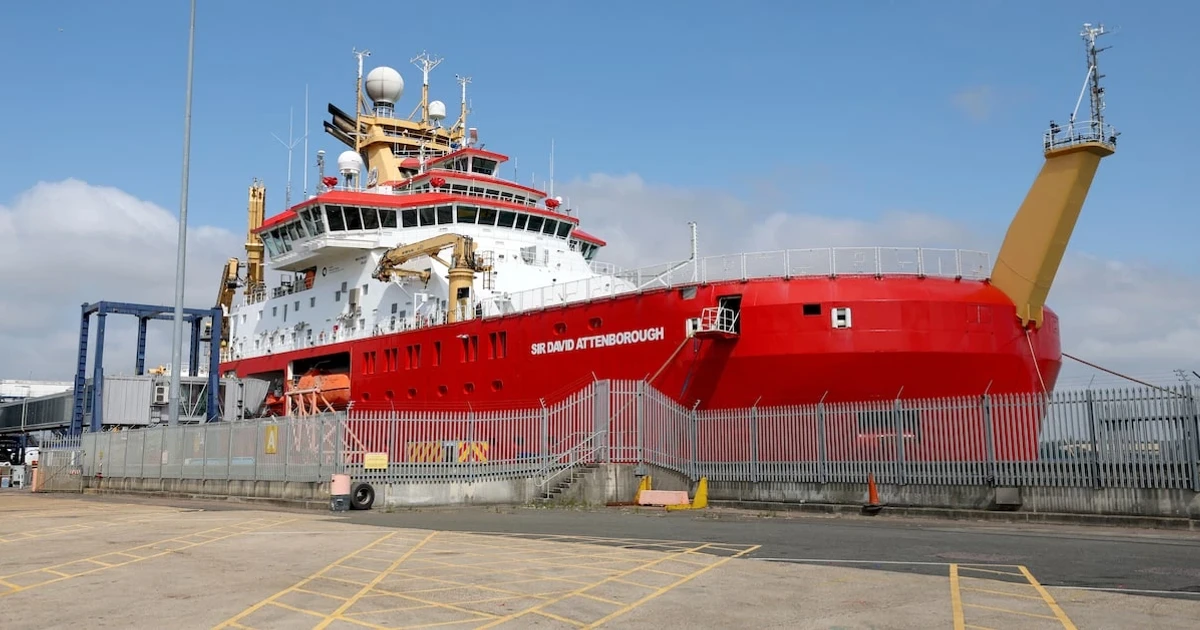
An international team of about 80 scientists and crew sailed this week aboard the RSS David Attenborough for Greenland, beginning a five-to-six-week mission to answer a question with implications far beyond the Arctic: whether rapidly melting glaciers can disrupt a key Atlantic current system. The expedition is designed to collect data on the ice sheet, the surrounding ocean and the currents that help regulate weather patterns across Europe and, by extension, the coastal risks governments and insurers now have to price into planning.
The ship carried researchers, drones and the autonomous underwater vehicle Boaty McBoatface, which will help map conditions beneath the ice and in nearby waters. Scientists want to know whether accelerated melt from Greenland is already altering Atlantic circulation, a system that moves heat and influences climate well outside the region. Kelly Hogan, a marine geophysicist with the British Antarctic Survey, said recent heat waves had shown how hard it is for societies to adapt even to relatively small climate shifts, let alone a larger change in ocean circulation.
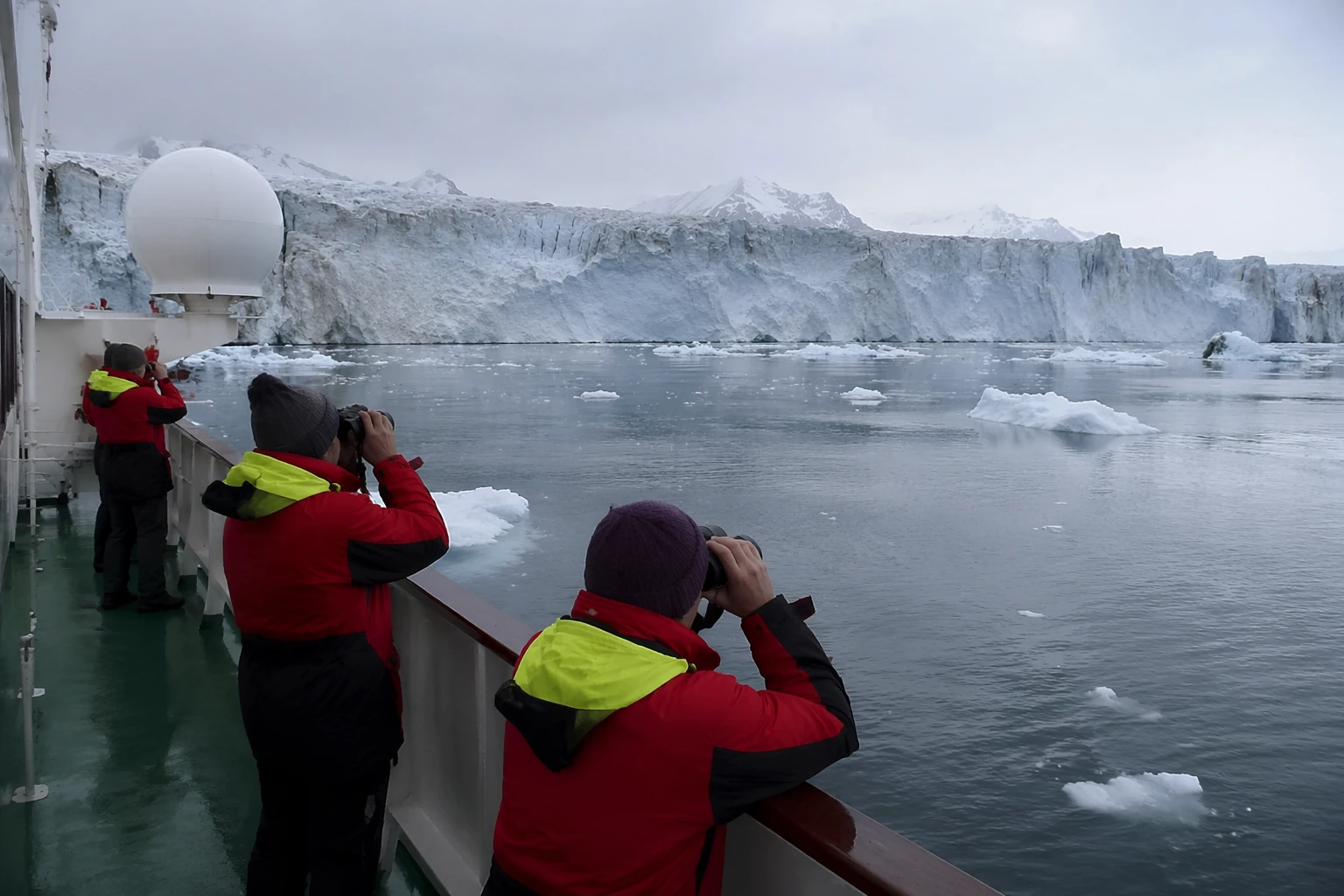
The timing sharpened the mission’s stakes. The departure came after the U.K. and western Europe recorded their warmest June on record, a stretch of heat that disrupted power supplies, closed schools and contributed to excess deaths. That kind of disruption is exactly why the science matters beyond Greenland: if ocean circulation changes are happening now, the timeline for more severe coastal flooding, heavier weather losses and infrastructure stress could tighten faster than planners expect.
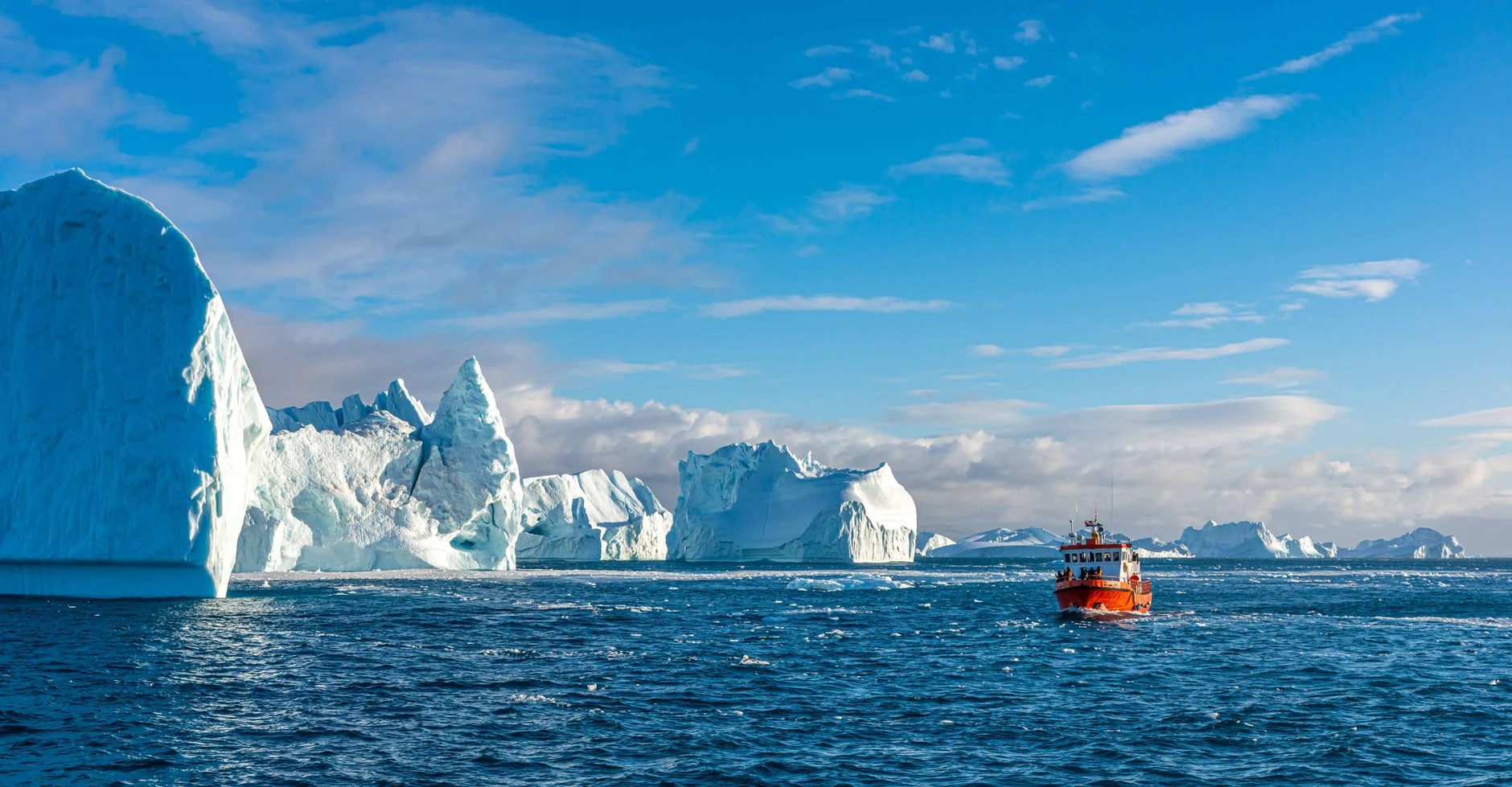
The expedition is meant to improve forecasts rather than simply document loss after the fact. If the team finds that meltwater is already affecting circulation, the results could strengthen the case for faster emissions cuts and more aggressive adaptation planning. If the changes are still emerging, the data could still narrow the uncertainty that complicates decisions on levees, drainage systems, grid resilience and insurance coverage. In climate policy, uncertainty is not neutral; it delays investment until risk is too large to ignore. This mission is aimed at reducing that delay.
Sources
- [1]yahoo.com