Health
Scientists Spotlight Thymus in Longevity and Cancer Research
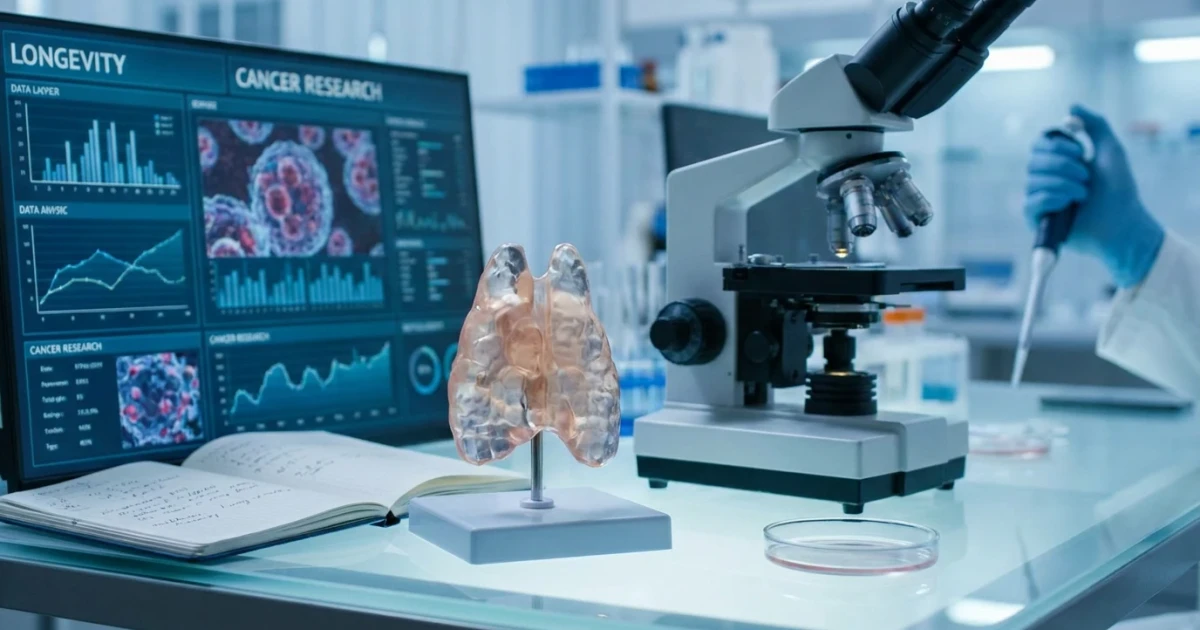
New research is putting the spotlight on the thymus gland—long overlooked in science—as evidence mounts that it plays a critical role in aging and cancer risk. Once dismissed as a vestigial organ, the thymus is now attracting attention for its profound influence on human health and longevity.
The Thymus: An Understudied Immune Powerhouse
The immune system is a complex network of cells and organs that protects the body against disease. Central to this network is the thymus gland, located behind the breastbone. For decades, the thymus was considered a temporary structure, essential during childhood but thought to shrink and lose function in adulthood. However, recent studies reported by The Washington Post reveal that the thymus continues to play a significant role well into adulthood, influencing how the body responds to diseases, including cancer.
How the Thymus Shapes Our Immune Defenses
The thymus is responsible for the maturation of T cells, a type of white blood cell crucial for identifying and destroying abnormal cells, including cancerous ones. According to the National Cancer Institute, T cells are essential for immune surveillance, the process by which the body detects and eliminates cells that could become cancerous. As people age, the thymus naturally shrinks—a process known as involution—leading to a decline in T cell production and a weakened immune response. This age-related decline is linked to increased vulnerability to infections, cancer, and reduced effectiveness of vaccines.
Connecting Thymus Function, Aging, and Cancer
Emerging research, including a comprehensive review in the scientific literature, suggests that the thymus could play a far greater role in longevity and cancer risk than previously believed. Data from the American Cancer Society show that cancer incidence increases sharply with age—a trend that may be linked to declining thymic function. Scientists are now exploring whether therapies aimed at preserving or restoring thymus activity could bolster immune defenses in older adults, potentially reducing the risk of age-related diseases.
- Studies have found that thymus regeneration in animal models can restore T cell output and improve immune function.
- Early-stage clinical trials are investigating drugs and interventions that might slow thymic involution or stimulate thymus tissue regeneration in humans.
- Researchers are also examining the relationship between thymus health and the effectiveness of immunotherapies used to treat cancer.
Implications for Future Medical Advances
The newfound appreciation for the thymus comes as scientists seek ways to enhance immune resilience in an aging population. Cancer remains a leading cause of death in the United States, according to CDC data. If future therapies can safely restore or mimic thymic function, experts believe it could open new avenues for extending healthy lifespan and reducing cancer risk.
Despite these advances, much remains unknown about the thymus. As The Washington Post highlights, ongoing research is needed to fully understand how this mysterious organ shapes human health across the lifespan and how its functions might be harnessed for therapeutic benefit.
Looking Forward
With the thymus emerging as a promising target in longevity and oncology research, scientists are calling for expanded studies and clinical trials. The hope is that deeper knowledge of the thymus will yield new strategies for preventing age-related diseases and improving outcomes for cancer patients.