World
Scientists to survey Shackleton and Scott shipwrecks in North Atlantic
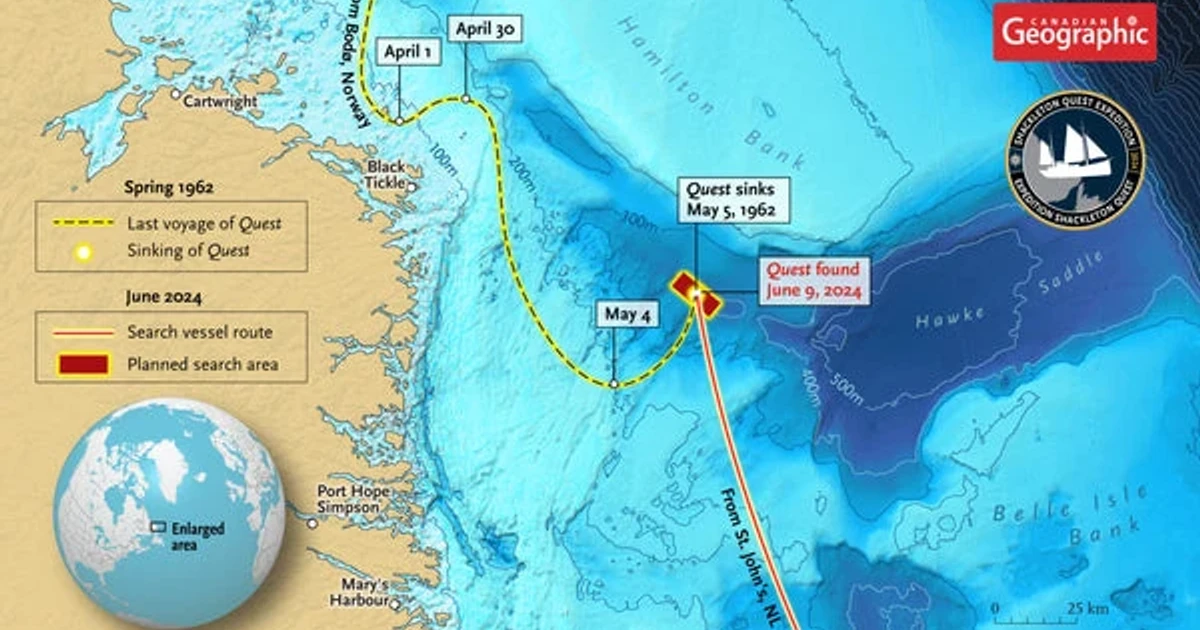
Researchers set out from Woods Hole, Massachusetts, this month to map two wrecks tied to Sir Ernest Shackleton and Captain Robert Falcon Scott, using submersibles, 5.2K cameras and Canadian photogrammetry to create digital twins without disturbing the sites. The Royal Canadian Geographical Society is leading the 21-day expedition with Woods Hole Oceanographic Institution in the North Atlantic, targeting Quest and Terra Nova, the last ships of two of the Heroic Age of Antarctic Exploration’s most famous figures.
The mission will send human-occupied and remotely operated vehicles to the seafloor to document the wrecks and their debris fields for the first time in a comprehensive visual survey. High-definition 5.2K video cameras and VOYIS photogrammetric technology will be used to build detailed models that researchers can study long after the expedition ends, while the historic sites remain undisturbed on the sea floor.
Quest carries particular weight in the story of polar exploration. It was Shackleton’s final expedition ship and the vessel on which he died in 1922. Terra Nova, Scott’s last ship, was first discovered by the Schmidt Ocean Institute in 2012. Quest was found in the Labrador Sea at a depth of 390 meters, or 1,280 feet, a setting that has helped protect the wreck from direct contact on the seafloor.
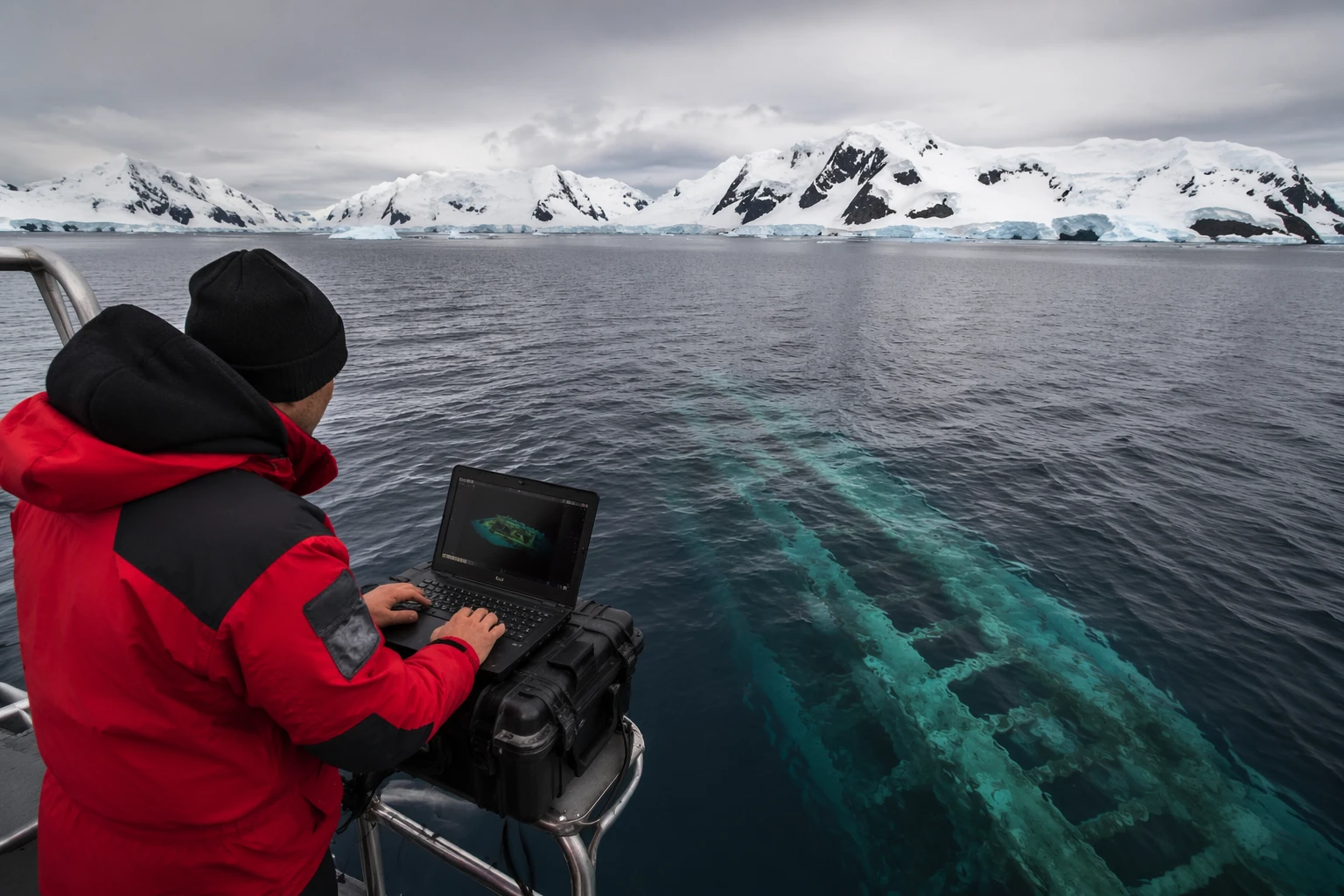
Co-chief scientist David Mearns said the chance to document both ships is rare. “It’s a once-in-a-generation thing,” he said. “You don’t get a chance to do this very often.” That rarity is part of the point of the mission: modern imaging can now record fragile wrecks in place, without lifting timbers or artifacts from the ocean floor, while preserving a clean digital record of their condition.
The survey also places two legendary vessels into a new scientific frame. Shackleton and Scott remain central names in polar history, and the expedition will add a Canadian-led archive of their last ships at a time when underwater technology can document remote wrecks with far greater precision than earlier generations could manage.
Sources
- [1]cbsnews.com
- [2]rcgs.org
- [3]whoi.edu
- [4]cbc.ca
- [5]sciencealert.com