Science
Scientists trace Euphrates River origin to tectonic merge millions of years ago
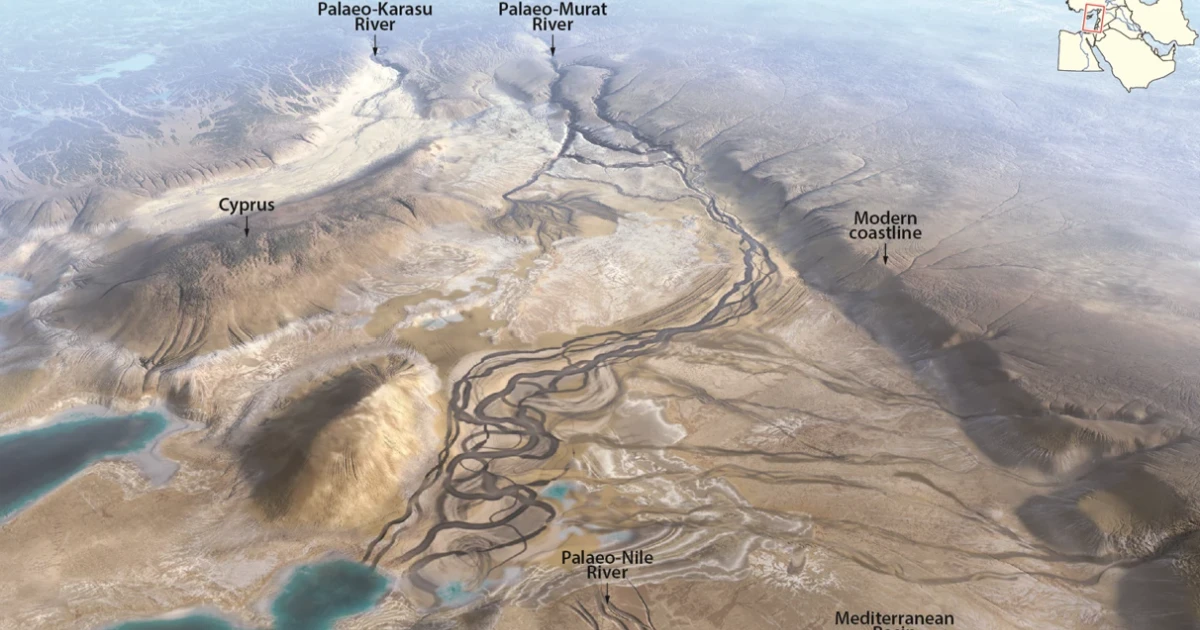
A Nature Geoscience study published June 1 traced the Euphrates River to a tectonic merger that took shape millions of years ago, recasting one of the world’s most consequential waterways as a product of shifting Earth forces as much as human history.
Andrew S. Madof and colleagues used seismic-reflection data, geomorphic mapping, sediment-budget modelling, and satellite and topographic data to reconstruct the river’s long course. Their work concluded that the modern Euphrates formed when two ancestral rivers, the Palaeo-Karasu and Palaeo-Murat, joined after regional uplift redirected drainage away from the eastern Mediterranean and toward the Persian Gulf.
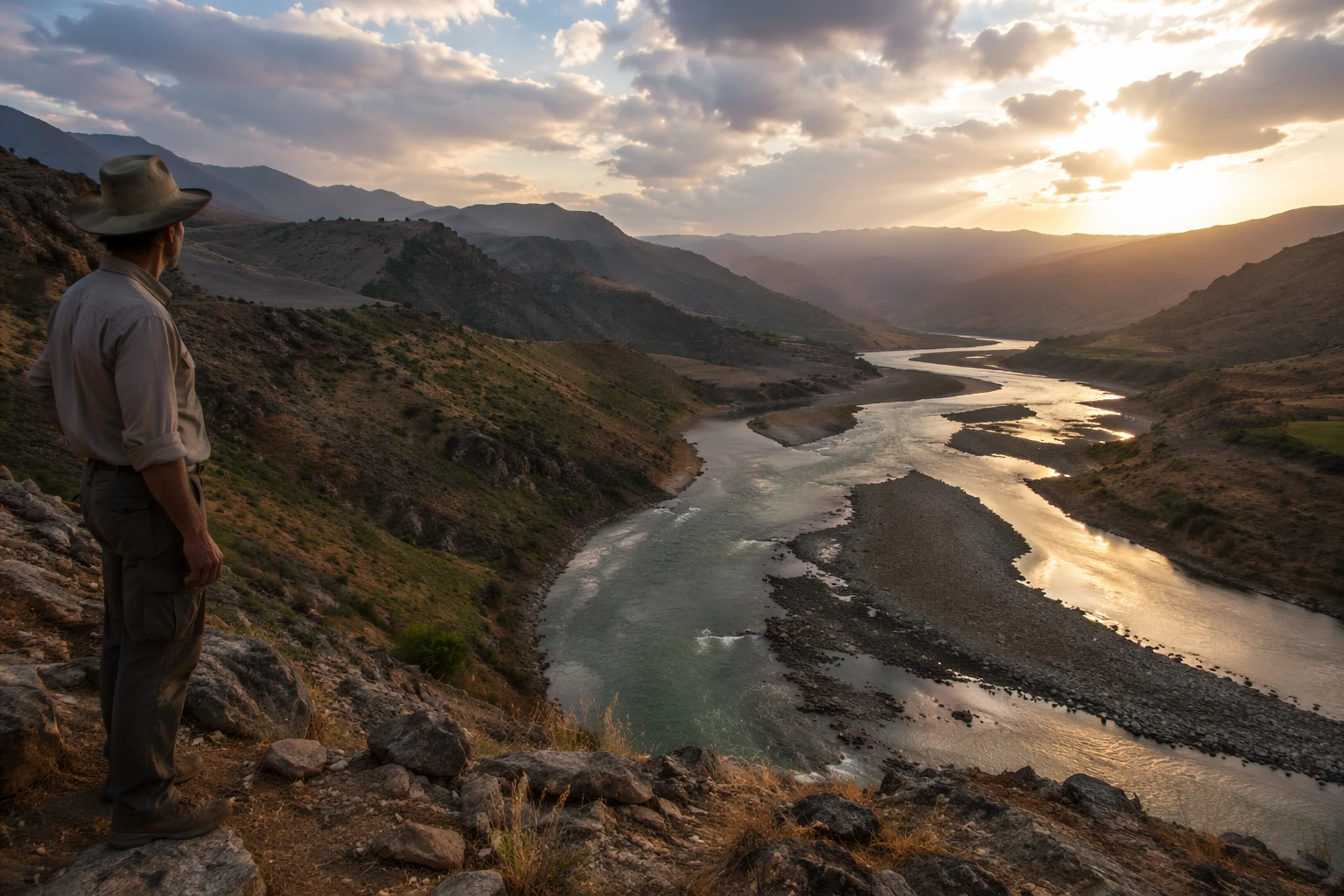
The river systems originally drained into a partially desiccated eastern Mediterranean during the Messinian Salinity Crisis, when the sea was far drier than it is today. The University of Oxford said those ancestral rivers reached the Mediterranean about 5.5 million years ago, and later tectonic movement in the Taurus Mountains, in what is now southern Turkey, produced the merge that created the modern river. Some summaries of the paper say the Palaeo-Murat shifted first, with the Palaeo-Karasu rerouted roughly 800,000 years later.
The Euphrates now stretches about 3,000 kilometers across western Asia, beginning in Turkey and flowing through Syria and Iraq before emptying into the Gulf. That path made it a cornerstone of Mesopotamia, where Uruk rose as the world’s first metropolis and the birthplace of written language, and where Babylon, Mari and Nippur also grew along its banks. The University of Oxford said the river helped shape those cities and the wider landscape of ancient Mesopotamia.
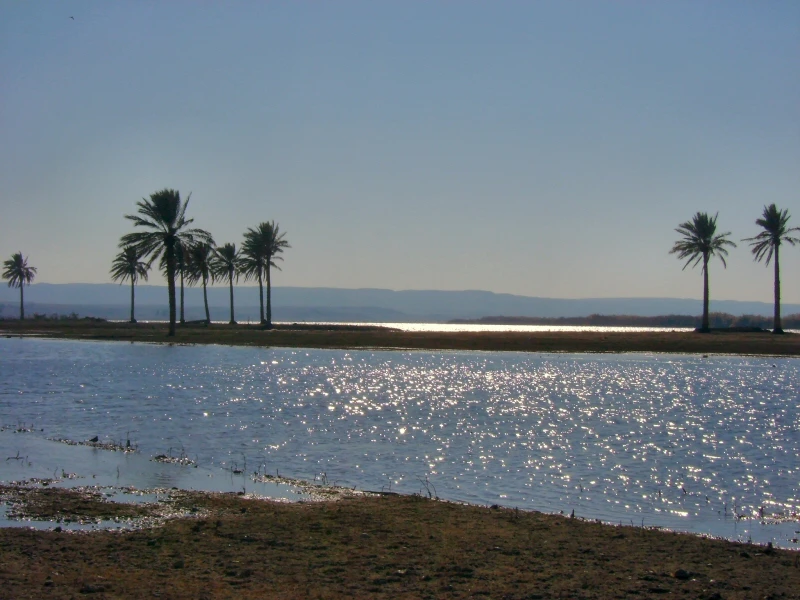
The study addresses a long-standing gap in understanding the river’s origin and evolution, despite its outsized geological influence. By tying the Euphrates to tectonic uplift and the changing outline of the Mediterranean, the research shows how the physical ground beneath the Fertile Crescent helped determine where irrigation, agriculture and urban life could take hold. In modern Turkey, Syria and Iraq, the river remains a living system, and its deep history now reads as part of the same story as the civilizations it sustained.
Sources
- [1]japannews.yomiuri.co.jp
- [2]nature.com
- [3]earth.ox.ac.uk
- [4]natureasia.com
- [5]uwa.edu.au
- [6]reuters.com