Health
Scientists Trace Psychedelics’ Impact on Brain Circuits
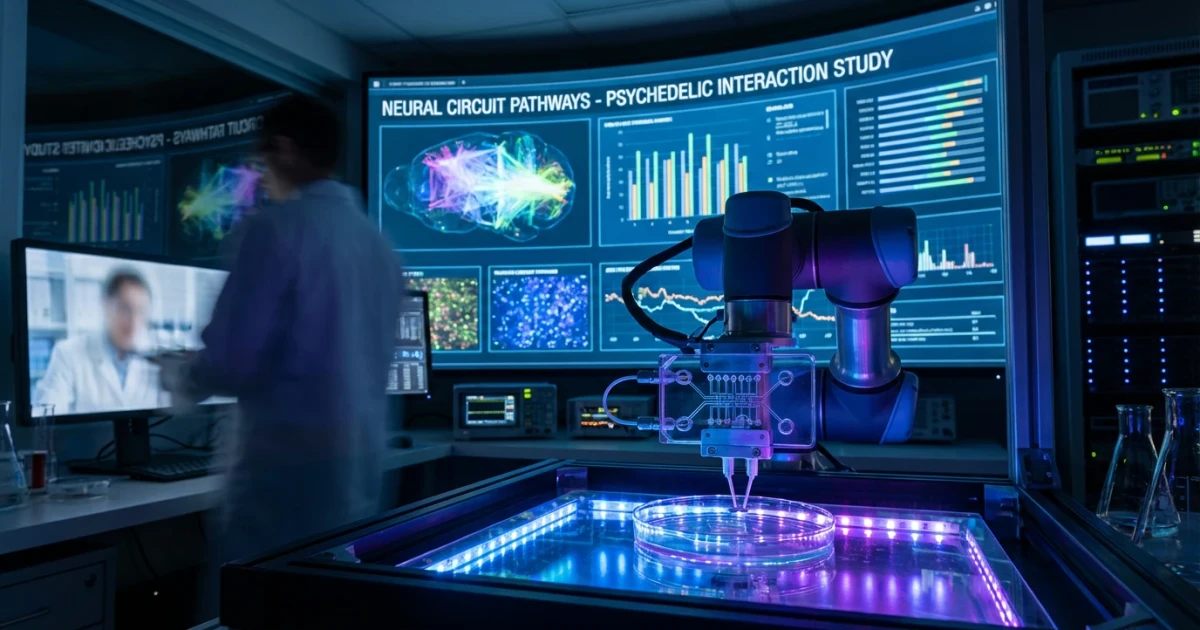
Psychedelic drugs have long intrigued scientists and the public alike for their profound effects on consciousness. Now, a wave of research, including a recent international mega-analysis published in Nature and covered by The New York Times, is offering unprecedented insight into how these substances alter brain circuit function.
Mapping the Brain Under Psychedelics
Recent studies analyzed brain scans from hundreds of participants worldwide, focusing on the neural effects of psychedelic compounds such as psilocybin, LSD, and DMT. According to the Nature mega-analysis, these substances consistently disrupt the normal patterns of activity in the brain’s default mode network, a region associated with self-referential thoughts and the sense of ego.
- Researchers found that psychedelics cause a reduction in tightly organized brain circuits, leading to more globally connected and flexible neural activity.
- These changes were observed across different substances, doses, and imaging methods, suggesting a common mechanism of action.
This neural reorganization may help explain the characteristic experiences of ego dissolution and enhanced sensory perception reported by users.
Clinical Implications and Ongoing Trials
The findings have significant implications for mental health research. Disrupting rigid brain networks has been proposed as a potential mechanism for treating conditions like depression and PTSD, where patients are often stuck in negative thought loops. Clinical trials, as registered on ClinicalTrials.gov, are now testing whether psychedelic-assisted therapy can produce lasting changes in brain function and symptom relief.
- Early results from trials with psilocybin and MDMA indicate rapid, robust improvements for some patients.
- Researchers are using advanced neuroimaging techniques to track changes in brain connectivity before and after treatment.
How Psychedelics Work in the Brain
Psychedelics primarily act on the serotonin 2A receptor, a protein found throughout the brain that regulates mood, perception, and cognition. According to Drug Science’s explainer, activating these receptors leads to increased communication between brain regions that don’t normally interact, resulting in vivid hallucinations and altered sense of reality.
While the precise mechanisms remain under investigation, the consensus from the latest research is that psychedelics temporarily ‘reset’ neural networks, making the brain more plastic and open to new connections.
Data Resources for Further Exploration
Scientists and the public can now access large neuroimaging datasets, such as the OpenNeuro psilocybin fMRI dataset, which contain raw and processed brain scans from participants under the influence of psychedelics. These open resources enable independent analysis and foster collaboration across neuroscience labs globally.
Looking Ahead
The growing body of evidence suggests that psychedelic drugs profoundly alter brain circuits in ways that could have therapeutic value. As clinical trials continue and new imaging data emerges, researchers hope to clarify which patients benefit most, optimal dosing strategies, and long-term safety profiles. For now, the field stands at the intersection of neuroscience, psychiatry, and public health, with the potential to reshape how we understand and treat mental illness.