Health
Scientists Uncover How Cancer Cells Adapt to Treatment
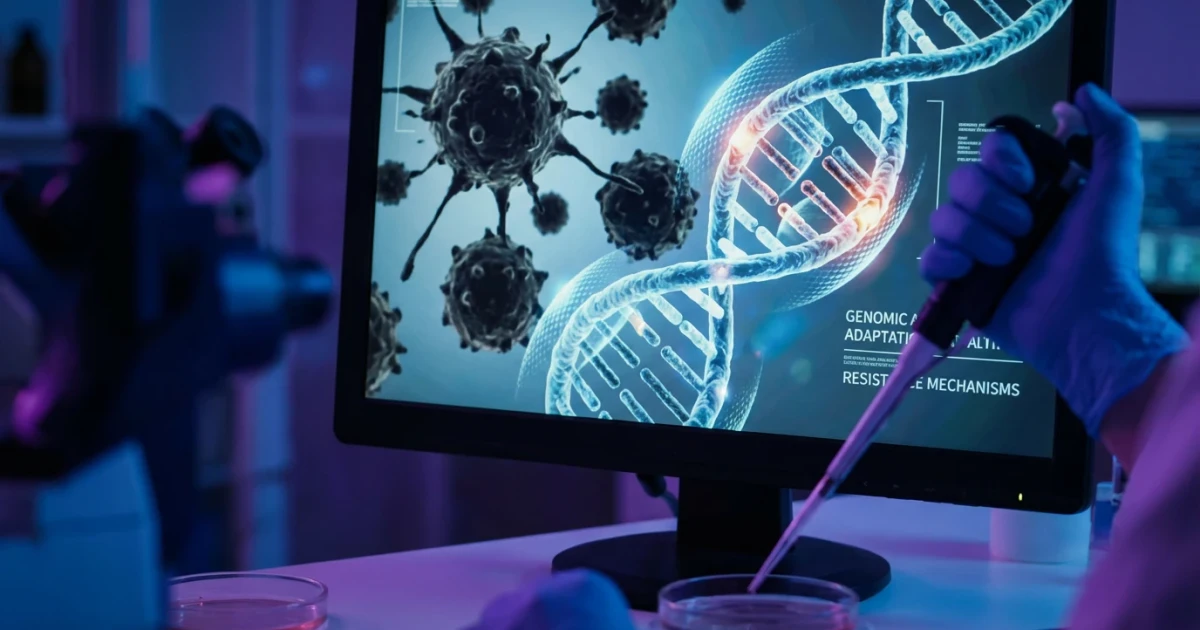
Researchers have identified a key mechanism that allows cancer cells to adapt and resist treatments, shedding light on one of the most persistent challenges in oncology. The findings, published by Nature and reported by Medical Xpress, detail how cancer cells can actively regulate their genomes in response to therapy, effectively 'learning' to survive even as targeted drugs attempt to eliminate them.
Understanding Cancer's Adaptive Genome Regulation
The process of drug resistance in cancer is a multifaceted challenge. Treatments often fail over time as tumors evolve to bypass the drugs' effects. The new study uncovers how cancer cells employ a dynamic mechanism, adjusting their gene expression and genome structure under therapeutic pressure to escape destruction.
- This mechanism involves large-scale rewiring of regulatory elements within the genome.
- Cancer cells rapidly activate alternative signaling pathways or genes that compensate for the drug's impact.
- These adaptive changes can occur even without new mutations, relying instead on reversible modifications to DNA packaging and gene accessibility.
Nature's coverage emphasizes the significance of these findings, as they provide a molecular 'movie'—a real-time view—of how cancer cells orchestrate these adaptive changes. Medical Xpress highlights that this process enables tumors to respond flexibly to new threats from therapies.
Implications for Targeted Therapies
Targeted therapies have transformed cancer treatment by focusing on specific genetic vulnerabilities in tumors. However, the ability of cancer cells to regulate their genomes adaptively means that even the most precise drugs face hurdles.
- According to the latest review on adaptive genome regulation, these mechanisms often involve changes in chromatin structure and the activation of so-called 'bypass' pathways.
- Data from cBioPortal for Cancer Genomics and The Cancer Genome Atlas (TCGA) Data Portal have documented numerous cases of tumors showing resistance without acquiring new DNA mutations, supporting the new findings.
By mapping these adaptive changes in real time, scientists can now better anticipate which combinations of therapies may block escape routes used by cancer cells.
What This Means for Future Cancer Research
The discovery of this adaptive regulatory mechanism opens the door to new therapeutic strategies. Instead of focusing solely on blocking mutations, researchers are now exploring how to target the dynamic genome regulation process itself.
- The National Cancer Institute's genomics initiatives are already investing in studies that examine how tumors respond to therapy at the level of gene regulation and chromatin remodeling.
- The OncoKB Knowledge Base tracks cancer gene alterations and their roles in treatment resistance, providing a resource for clinicians and researchers developing next-generation therapies.
Experts agree that understanding and eventually disrupting these adaptive responses could make cancer therapies more durable and effective.
Conclusion
As highlighted by both Nature and Medical Xpress, the identification of adaptive genome regulation mechanisms marks a significant advance in cancer research. By unraveling how tumors 'learn' to survive, scientists move closer to overcoming one of the most formidable barriers in oncology. Ongoing research will focus on how to intercept these adaptive processes, offering hope for more lasting responses to treatment and improved outcomes for patients.