Health
Scientists Urge Caution on Psychedelic Antidepressant Claims
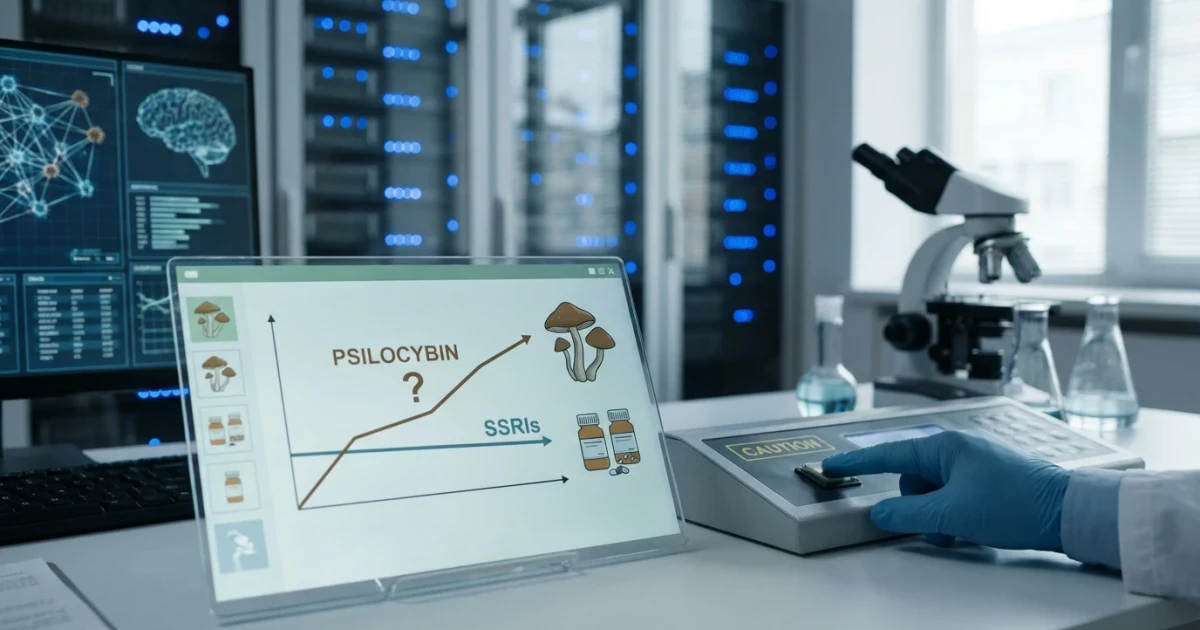
Researchers are calling for a more cautious approach to the growing excitement around psychedelics such as psilocybin as treatments for depression, citing new evidence that these substances may not be more effective than established antidepressants.
New Findings Challenge Psychedelic Superiority
The renewed scrutiny comes amid a wave of clinical interest and public enthusiasm for psychedelic-assisted therapy, particularly for conditions like major depressive disorder. However, recent studies reported by Gizmodo and New Scientist suggest that the benefits of psilocybin—a compound found in so-called "magic mushrooms"—may not surpass those of conventional antidepressant medications.
- Clinical trials have shown that, while psilocybin can produce rapid improvements in depressive symptoms, the overall effect sizes are comparable to those seen with established treatments such as selective serotonin reuptake inhibitors (SSRIs).
- One highly cited study compared psilocybin with the SSRI escitalopram and found no significant difference in efficacy between the two groups at the end of the trial period.
- A meta-analysis in Nature Medicine pooled data from multiple randomized controlled trials and reinforced the finding that psychedelics are not clearly superior to placebo or standard antidepressants for most patients.
Expert Perspectives and Regulatory Context
As highlighted by Gizmodo, several scientists are now urging both the scientific community and the public to temper expectations regarding psychedelic treatments. While the initial results sparked hopes for a breakthrough in mental health care, experts emphasize the need for larger, longer-term studies to establish the true benefits and safety profile of these compounds.
The U.S. Food and Drug Administration (FDA) has acknowledged the therapeutic potential of psychedelics and has granted some compounds "breakthrough therapy" status, expediting research. Still, regulators caution that more evidence is required before these drugs can be widely approved for clinical use.
Current Treatment Landscape
The debate over psychedelics comes at a time when millions of adults rely on antidepressants. According to CDC data, approximately 13% of U.S. adults used antidepressant medication between 2015 and 2018, highlighting the ongoing need for effective treatments.
As research continues, both scientists and policymakers are watching closely. Ongoing clinical trials are evaluating not only the efficacy of psychedelics but also their safety, optimal dosing strategies, and long-term outcomes compared to standard therapies.
Looking Ahead: Cautious Optimism
While psychedelics remain a promising area of study for depression, current findings underscore the importance of rigorous science and realistic expectations. Some patients may benefit from these novel approaches, but experts warn against viewing them as a cure-all.
As the evidence base builds, the mental health community is likely to see continued debate—and hopefully, more nuanced understanding—of the role psychedelics might play in the future of depression treatment.