US News
Scientists warn as multimillion-dollar T rex skeleton heads to auction
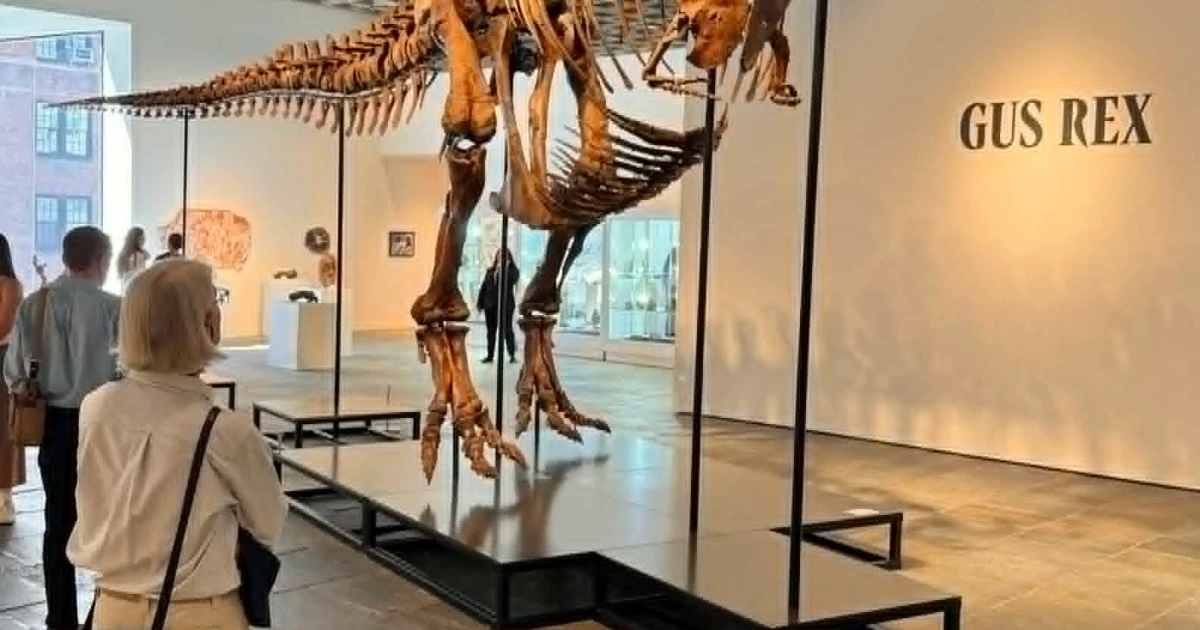
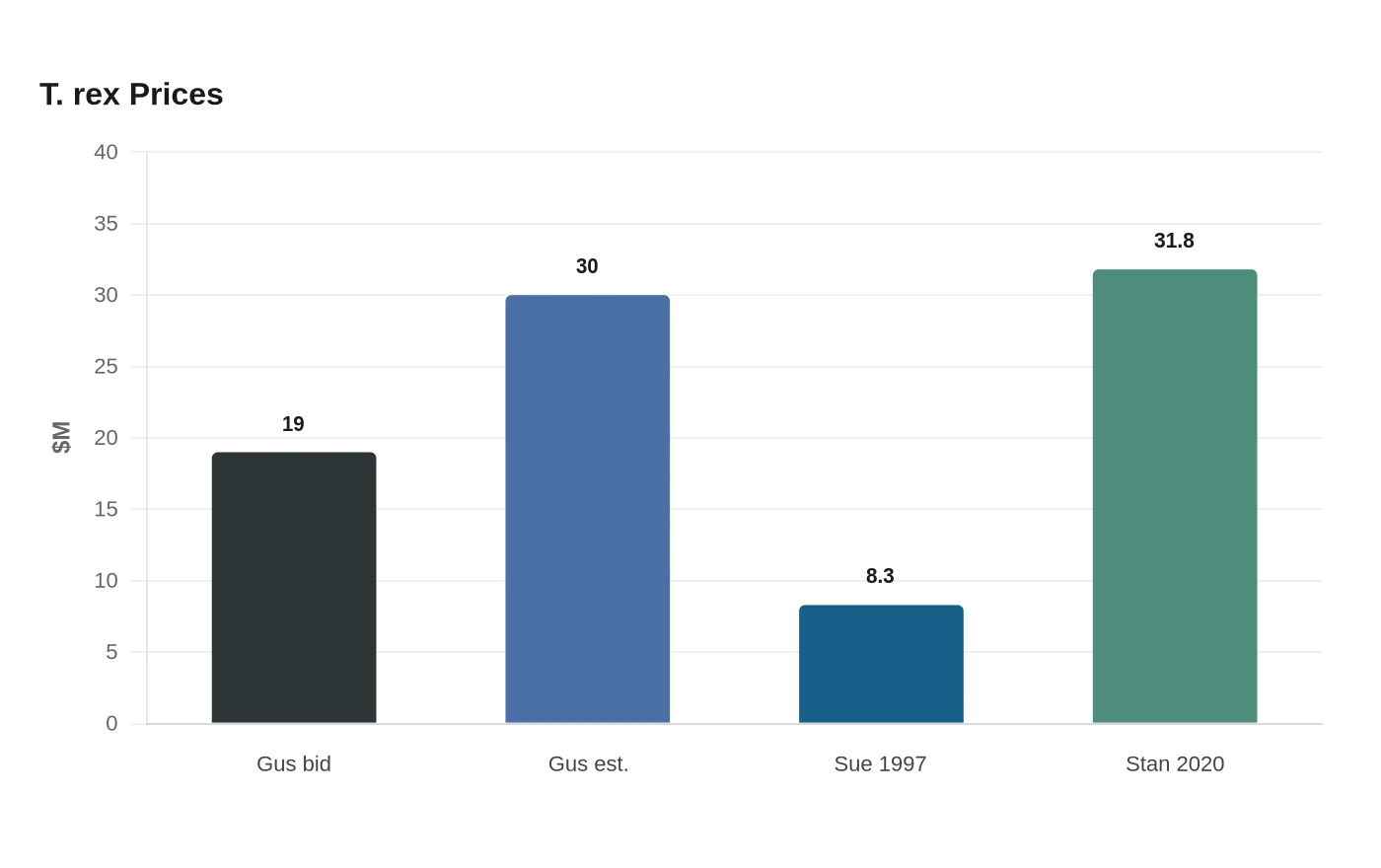
Bidding for Gus, a T. rex found in South Dakota, started at $19 million, with some estimates putting the skeleton near $30 million. The fossil has spent the last two decades on display and under study at the Black Hills Institute in South Dakota, but the auction raised the possibility that one of the market’s most scientifically important dinosaurs could move into private hands.
That is the central conflict for paleontologists: a blockbuster fossil can become a trophy, while researchers lose repeated access to bones that still have new data to give. Gus could still help scientists refine understanding of T. rex anatomy, growth and behavior, but once a specimen disappears into a private collection, future work depends on the owner’s permission and the fossil can no longer serve as a public reference point for comparison.
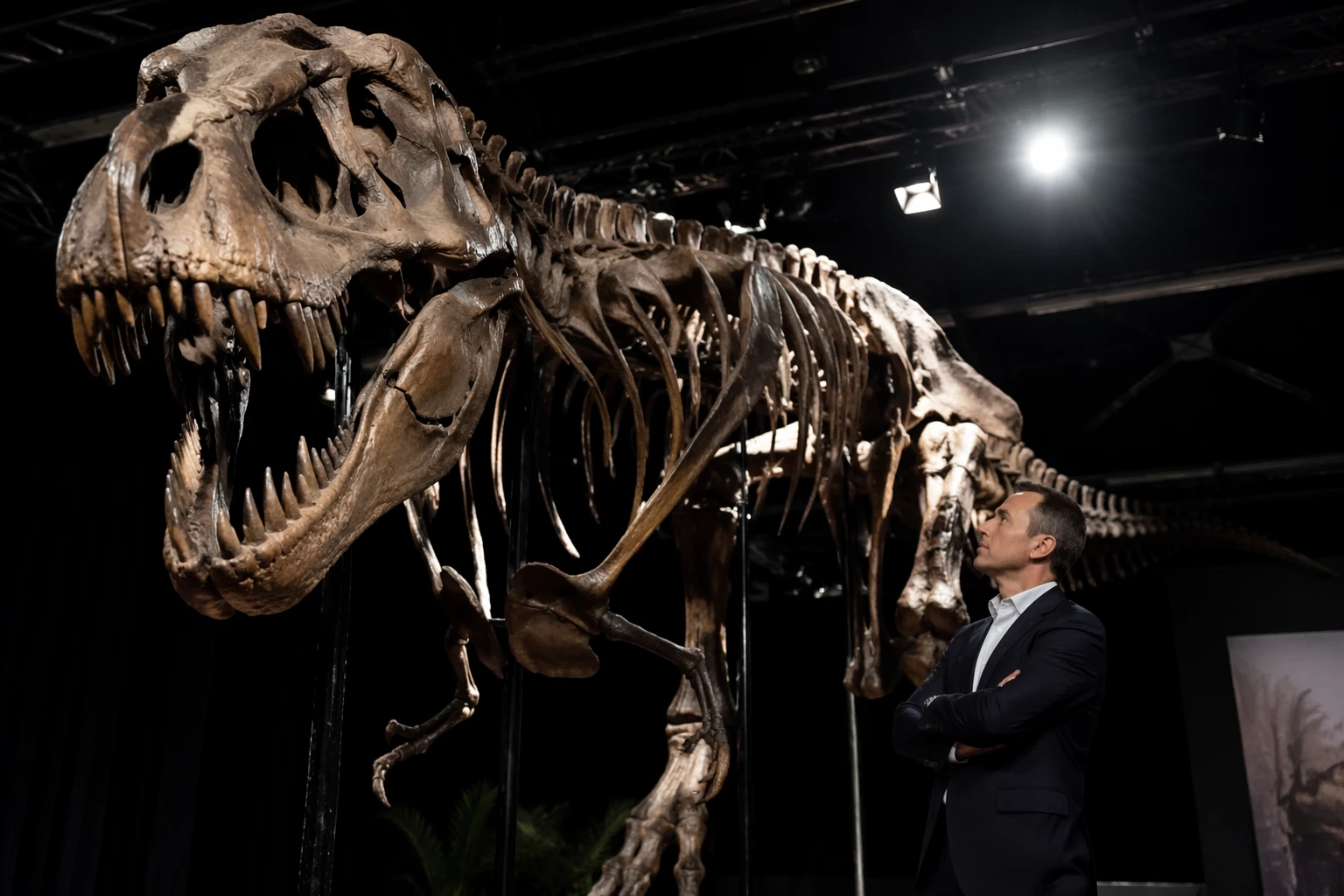
The sale also fit a familiar pattern. Sue, one of the best-known T. rex skeletons, sold at Sotheby’s in 1997 for $8.3 million and went to the Field Museum in Chicago. Stan, discovered in South Dakota, sold at Christie’s in 2020 for $31.8 million and was later expected to become part of a museum in Abu Dhabi. Christie’s described Stan as one of the largest, most complete and most scientifically valuable T. rex skeletons ever offered at auction, underscoring how commercial sales can push rare fossils into a bidding war before the scientific community can secure access.
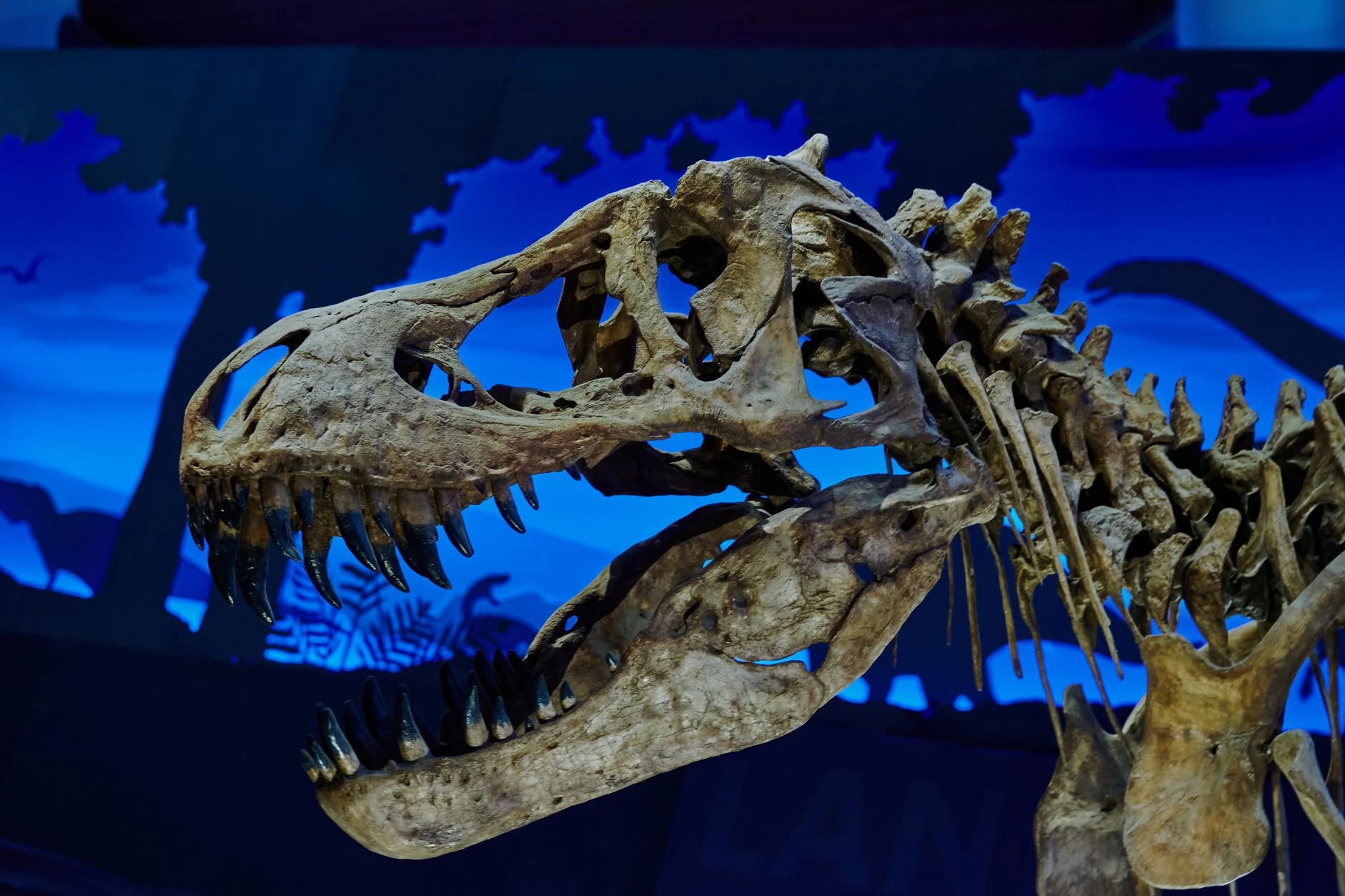
A study by Dr Carr found that no one had ever donated a scientifically significant T. rex fossil to a public trust, a finding that exposes how weak fossil ownership rules remain when major specimens are found on land tied to private sale. The Natural History Museum says the commercial fossil trade is seeing record demand, and museums now compete with private collectors and hedge funds for the most sought-after specimens.
The pressure around Gus reflects a longer history that stretches back to the first known T. rex skeleton, found in Wyoming in 1900, and another discovered in 1902. More than a century later, the bones of the species still draw record prices, but each private sale carries the same risk: the public loses sight of evidence that could still change what scientists know about one of the most studied animals that ever lived.
Sources
- [1]news.google.com
- [2]smithsonianmag.com
- [3]telegraph.co.uk
- [4]press.christies.com
- [5]nhm.ac.uk