Science
Scientists Warn Hothouse Earth Scenario May Be Nearing
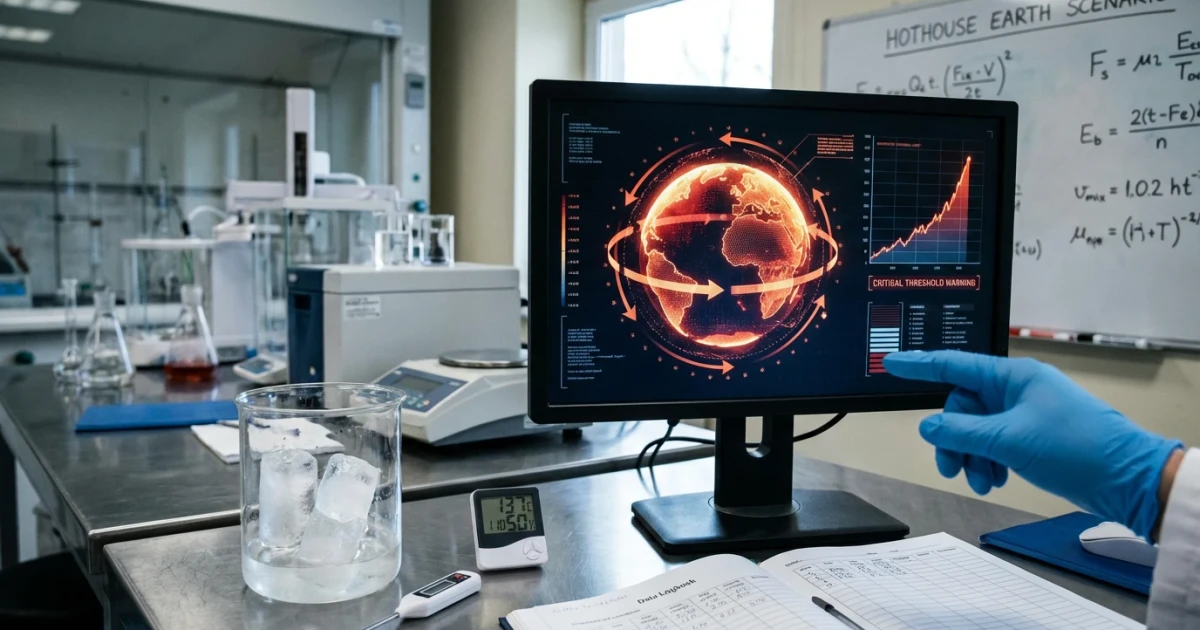
Leading climate scientists are warning that the planet may be closer than previously thought to a 'hothouse Earth' scenario, in which self-reinforcing feedback loops push global temperatures far beyond human control, with catastrophic results for societies and ecosystems worldwide.
What Is 'Hothouse Earth'?
The concept of ‘hothouse Earth’ describes a potential future where rising temperatures trigger natural processes—such as thawing permafrost, dying forests, and melting polar ice—that, in turn, release even more greenhouse gases. This could lock the planet into a state of runaway warming, making it vastly more difficult or impossible to reverse the trend, even if human emissions are reduced.
Scientists Sound the Alarm
According to reports highlighted by Slashdot, climate researchers now suggest that the point of no return could be closer than previously believed. Key natural systems—like the Amazon rainforest and Arctic permafrost—are showing early signs of destabilization. The Intergovernmental Panel on Climate Change (IPCC) has previously warned that exceeding 1.5°C to 2°C of warming above pre-industrial levels could set off tipping points in these systems. Recent data indicates that the world has already warmed by approximately 1.2°C since 1880, and is on track to surpass the 1.5°C threshold within the next decade.
Feedback Loops and Irreversible Changes
- Thawing permafrost in the Arctic releases methane, a greenhouse gas far more potent than CO₂.
- Melting ice sheets reduce Earth's reflectivity, causing more solar energy to be absorbed.
- Dieback of rainforests further reduces the planet's ability to absorb CO₂, amplifying warming.
These feedbacks could combine to push Earth into a state where, as described by the original 'hothouse Earth' research, "a domino-like cascade of tipping points could take over, even if emissions are curbed."
Emissions Trends and Global Action
Data from the Global Carbon Project shows that global carbon emissions remain near record highs, despite pledges for reductions. The largest sources of greenhouse gases are energy production, transportation, and agriculture. Many nations have set targets for net-zero emissions by mid-century, but current policies are not sufficient to keep warming below critical thresholds, according to climate projections.
Disagreement and Scientific Uncertainty
While there is broad consensus that tipping points are a serious risk, some experts urge caution in projecting exactly when or how these thresholds might be crossed. They emphasize that the future trajectory depends not only on physical processes, but on how quickly humanity can reduce emissions and adapt policies. However, the urgency expressed by the latest analysis reflects a growing concern that current efforts may be too slow to avert severe consequences.
What Happens If We Cross the Threshold?
If the hothouse Earth scenario is triggered, scientists predict:
- Sea levels could rise several meters over centuries, threatening coastal cities globally
- Extreme weather events, such as heatwaves and floods, would become far more common and severe
- Major disruptions to food and water supplies, with impacts on millions of people
- Mass extinction of species unable to adapt to altered climates
Despite these risks, researchers stress that immediate and large-scale action could still prevent the most dangerous outcomes. This includes rapid shifts to renewable energy, large-scale reforestation, and transformative changes in agriculture and industry.
Looking Forward
With the world fast approaching critical temperature thresholds, climate scientists are urging governments, businesses, and individuals to treat the climate crisis with the highest priority. The window to prevent a self-sustaining hothouse Earth remains open—but it is narrowing quickly. For those seeking more detailed data, interactive charts and projections are available from organizations like NASA, the Global Carbon Project, and the Our World in Data greenhouse gas emissions project.