Science
Scientists Warn of Major Antarctic Ice Loss Risk
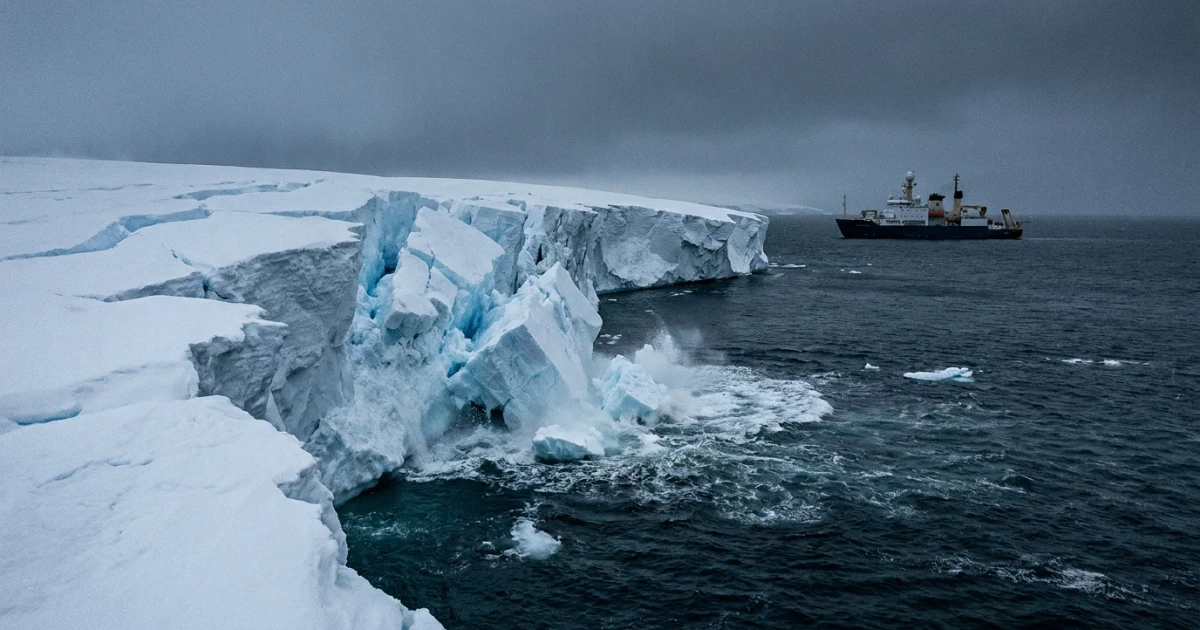
Antarctica's vast frozen expanse is increasingly at the center of global climate concerns, as new research highlights the growing risks associated with its rapidly melting ice sheets. Scientists warn that these changes could have far-reaching impacts on sea levels, weather patterns, and coastal communities worldwide.
Antarctica's Ice Sheets: A Critical Climate Regulator
Covering an area larger than the United States and Mexico combined, Antarctica contains approximately 90% of the world’s freshwater locked in its ice sheets. These massive ice formations play a crucial role in regulating Earth’s climate and sea level. The NSIDC Sea Ice Index shows that Antarctic sea ice extent has experienced significant fluctuations, but recent years have seen notable declines below historical averages.
Accelerating Ice Loss and Alarming Trends
Recent satellite observations and field studies indicate that ice loss from Antarctica is accelerating. According to a NASA study, the continent is losing ice at a pace that has tripled over the past decade. The British Antarctic Survey’s Antarctic Ice Sheet Mass Balance records show a consistent negative trend, with large sections of the West Antarctic Ice Sheet particularly vulnerable to collapse.
- Antarctica holds enough ice to raise global sea levels by nearly 60 meters if fully melted.
- Ice loss rates have increased from about 40 billion tons annually in the 1980s to over 250 billion tons per year in the last decade.
What’s Driving the Meltdown?
Multiple factors are contributing to the region’s instability. Warmer ocean currents are melting ice from below, thinning key glaciers and destabilizing the ice shelves that hold back inland ice. The Antarctic ice sheet is especially sensitive to changes in ocean temperature, and recent years have brought record warm waters to the Amundsen and Bellingshausen Seas. Scientific analysis from the IPCC underscores that human-driven climate change is amplifying these natural variations, making ice sheet instability more likely.
Global Consequences of Antarctic Ice Loss
The implications of continued Antarctic melting are far-reaching. Rising sea levels threaten to displace millions in low-lying coastal regions, erode shorelines, and increase the frequency of flooding and storm surges. According to NOAA’s global sea level rise data, even modest increases could have significant impacts on cities such as New York, Shanghai, and Mumbai.
Beyond sea level rise, changes in Antarctic ice can disrupt global ocean currents and weather patterns, potentially altering rainfall, drought cycles, and even the strength of hurricanes. Geological evidence presented in recent studies points to the potential for rapid and irreversible ice sheet collapse under continued warming trends.
What Scientists Are Calling For
Experts agree that monitoring, research, and immediate emissions reductions are critical. Improved satellite tracking and on-site measurements are helping refine predictions, but major uncertainties remain—especially concerning how quickly tipping points might be reached. The complex interplay of ice, ocean, and atmosphere means that continued warming could trigger feedback loops, making it increasingly difficult to slow or reverse ice loss.
Looking Forward
While Antarctica’s "terrifying secret" lies out of sight for most, the risks it poses are global. The scientific consensus is clear: urgent action on climate change is needed to prevent the worst-case scenarios. As researchers continue to probe the frozen continent’s mysteries, the world watches, knowing that what happens at the South Pole does not stay there.