Science
Scientists Warn: Overcrowded Low Earth Orbit Could Send Deadly Debris Plummeting to Earth
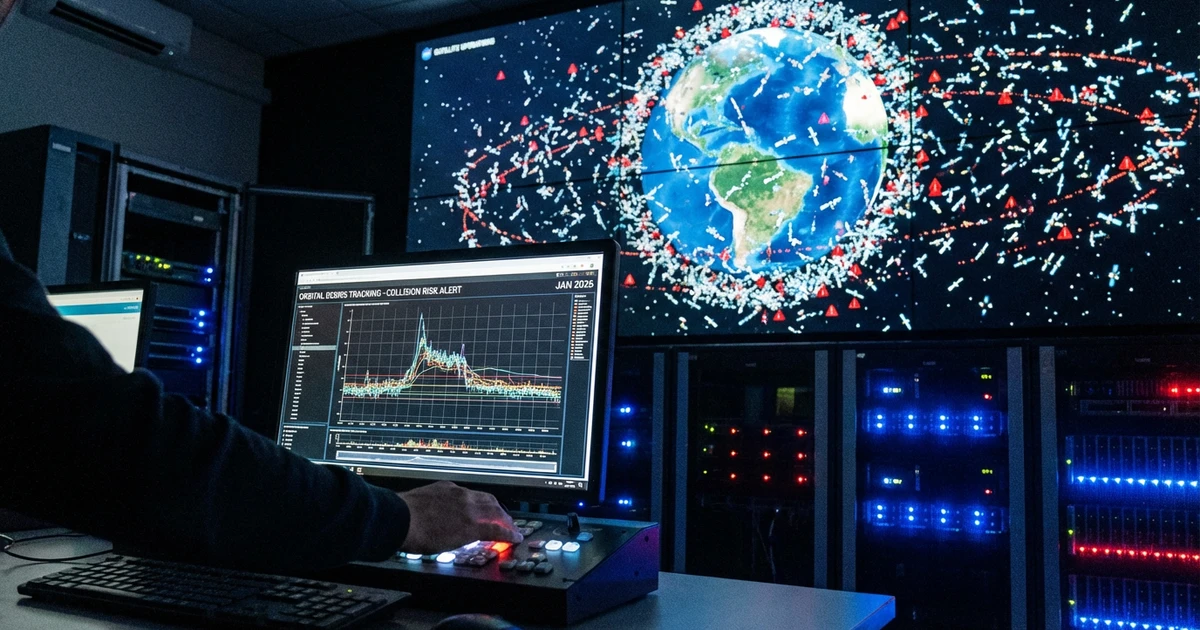
Earth’s lower orbit is facing an unprecedented crisis, as scientists warn that extreme overcrowding could trigger a cascade of collisions—potentially sending deadly debris raining down onto the planet below. With tens of thousands of satellites and pieces of space junk now circling our planet, researchers caution that without urgent intervention, the risks to life and infrastructure could escalate rapidly.
The Growing Threat in Low Earth Orbit
Low Earth Orbit (LEO)—the region of space within roughly 2,000 kilometers of Earth’s surface—has become increasingly congested as private companies and governments launch a record number of satellites. According to experts cited in Futurism, the density of objects in this region is pushing orbital systems toward a critical tipping point. The risk: a scenario in which collisions between objects generate even more debris, triggering a chain reaction known as the Kessler Syndrome.
- Thousands of active satellites and an even greater number of defunct satellites and spent rocket stages now occupy LEO.
- Each new collision can create thousands of fragments, multiplying the risk to other satellites and to life on Earth.
Tracking the Danger: The CRASH Clock
To quantify the growing risk, scientists and engineers have developed tools like the CRASH Clock. According to IEEE reports referenced by Futurism, the CRASH Clock tracks the timeline to a potential chain-reaction event in LEO. The clock’s readings fluctuate based on satellite launches, evasive maneuvers, and any large-scale removal of debris. As more satellites are launched without effective debris mitigation strategies, the time left before a catastrophic event shortens.
Potential Consequences: From Space to Surface
The consequences of a chain-reaction collision in LEO extend far beyond space operations. Futurism highlights the frightening possibility that the debris generated could be knocked out of orbit, causing fragments to re-enter Earth’s atmosphere. While most small debris burns up, larger pieces could survive re-entry and threaten populated areas below. This scenario raises the risk of damage to infrastructure, injury, or even loss of life.
- Space debris travels at up to 28,000 km/h, making even small fragments potentially lethal upon impact.
- Recent increases in satellite launches—especially from mega-constellations—amplify the danger of collisions and uncontrolled re-entries.
Urgent Need for Solutions
Experts agree that immediate action is necessary to prevent disaster. Recommendations include:
- Developing and deploying active debris removal technologies
- Enforcing stricter regulations on satellite end-of-life disposal
- Enhancing international cooperation to share tracking data and coordinate avoidance maneuvers
Without these measures, the risk of a catastrophic event will continue to grow, threatening not just space operations, but daily life on Earth.
Looking Ahead: Preserving a Vital Resource
Low Earth Orbit is a critical resource for modern society, enabling everything from GPS navigation to global communications. The current overcrowding crisis serves as a stark warning: without responsible stewardship, humanity could lose safe access to space for generations. As satellite launches accelerate, the world’s attention must turn to sustainable solutions—before the countdown to disaster runs out.
Sources
- [1]Futurism