Science
Scientists Warn SpaceX Data Centers Could Disrupt Astronomy
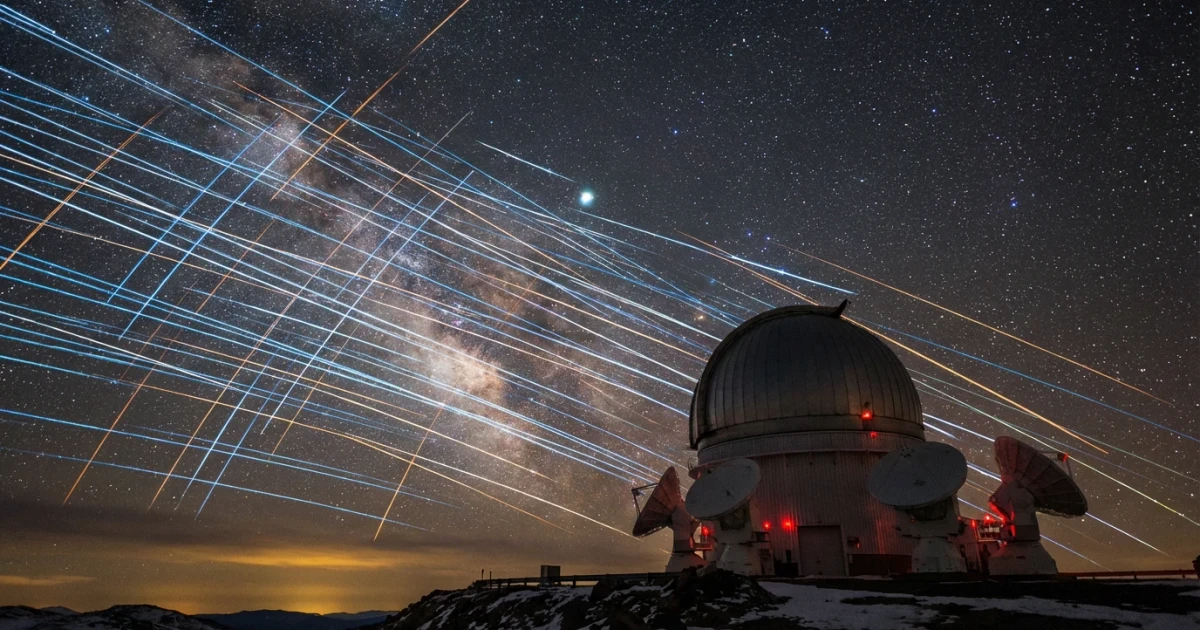
SpaceX's recent plan to deploy up to one million orbital data center satellites has sparked significant concern among astronomers and research institutions. Scientists say that such an unprecedented expansion of satellites in low Earth orbit could seriously hinder astronomical research, threatening both ground-based and space-based observations.
Massive Satellite Deployment Raises Alarm
The concept, first detailed by SpaceX in recent filings and covered by outlets including Futurism and SpaceNews, would see the company launch hundreds of thousands—potentially up to a million—satellites. These satellites are intended to serve as orbital data centers, processing and relaying enormous amounts of information for global connectivity and edge computing.
While the technological ambition is notable, the sheer scale of the project has left many in the scientific community uneasy. Past expansions of satellite constellations, such as Starlink, have already prompted warnings regarding interference with astronomical observations. Multiple research bodies, including the International Astronomical Union (IAU), have documented how large satellite networks can leave bright streaks in telescope images, disrupt data collection, and even affect radio astronomy frequencies.
Potential Impacts on Astronomy
- Optical Astronomy: The more satellites in orbit, the greater the number of bright trails that can appear in wide-field telescope images, making it harder to detect faint objects and phenomena. The IAU and the European Southern Observatory (ESO) have both warned that satellite constellations could compromise large-scale sky surveys and night-sky imaging.
- Radio Astronomy: Data centers in space would likely emit radio frequency interference, potentially drowning out the faint cosmic signals astronomers study to understand the universe’s origins and structure.
- Satellite Collision Risk: With a million additional satellites, the risk of collisions and resultant debris increases, raising broader concerns about orbital sustainability, as tracked by databases like CelesTrak.
Scientific Community’s Response
According to Futurism, scientists say the proposal would be debilitating for astronomy research. The IAU and other organizations have urged regulatory bodies to consider the scientific impacts before approving such large-scale projects. Their reports, including an IAU submission to the United Nations, highlight the need for stricter guidelines and technical mitigations.
SpaceX’s filings, available via the FCC’s satellite licensing records, indicate the company is aware of these challenges and has promised to work with the scientific community. However, researchers remain skeptical that mitigation strategies can keep pace with the scale of deployment envisioned.
Broader Implications and Next Steps
As the number of satellites in orbit continues to grow, the tension between technological innovation and the preservation of scientific access to space is becoming more pronounced. Experts from the NASA and the IAU emphasize that international coordination is necessary to balance commercial interests with the needs of the scientific community.
With regulatory reviews underway and public debate intensifying, the future of orbital data centers—and their impact on astronomy—remains unresolved. The coming months are likely to see continued discussion among policymakers, industry leaders, and scientists as they seek solutions that preserve both technological progress and humanity’s ability to study the cosmos.