Science
Scientists watch ocean floor split apart and erupt lava in real time
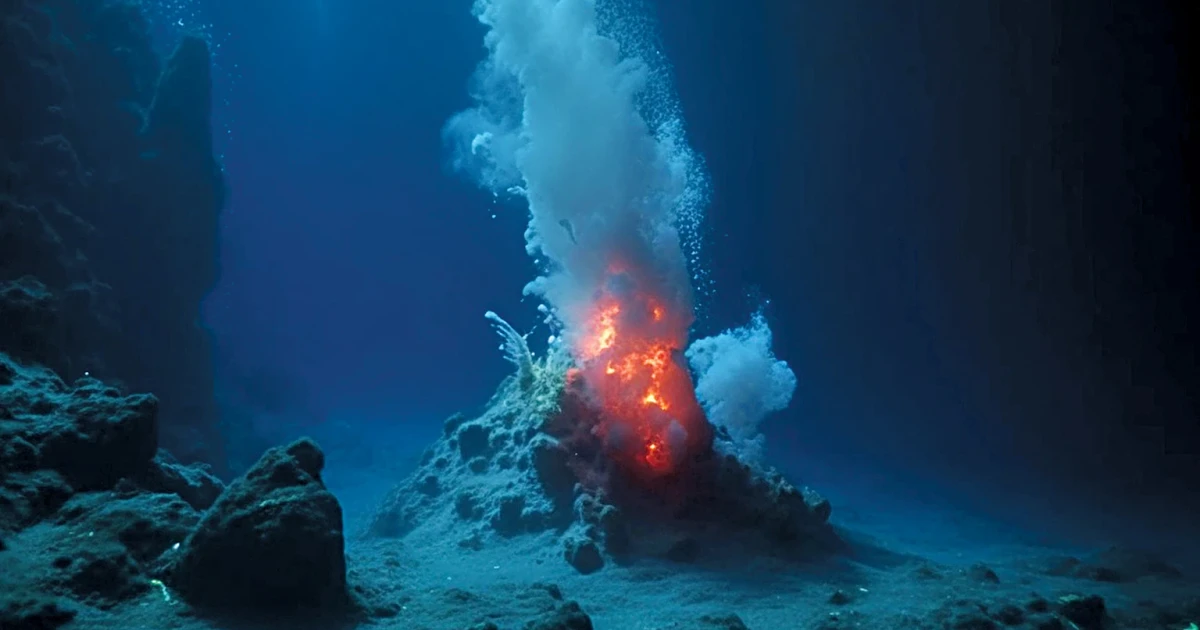
Scientists watched the ocean floor open at the Southeast Indian Ridge and saw several metres of sea-floor motion followed by large lava outflows, a rare look at crust being made beneath the Indian Ocean. The measurements captured a mid-ocean ridge widening in real time, not as a reconstruction after the fact, but as the plates were moving apart.
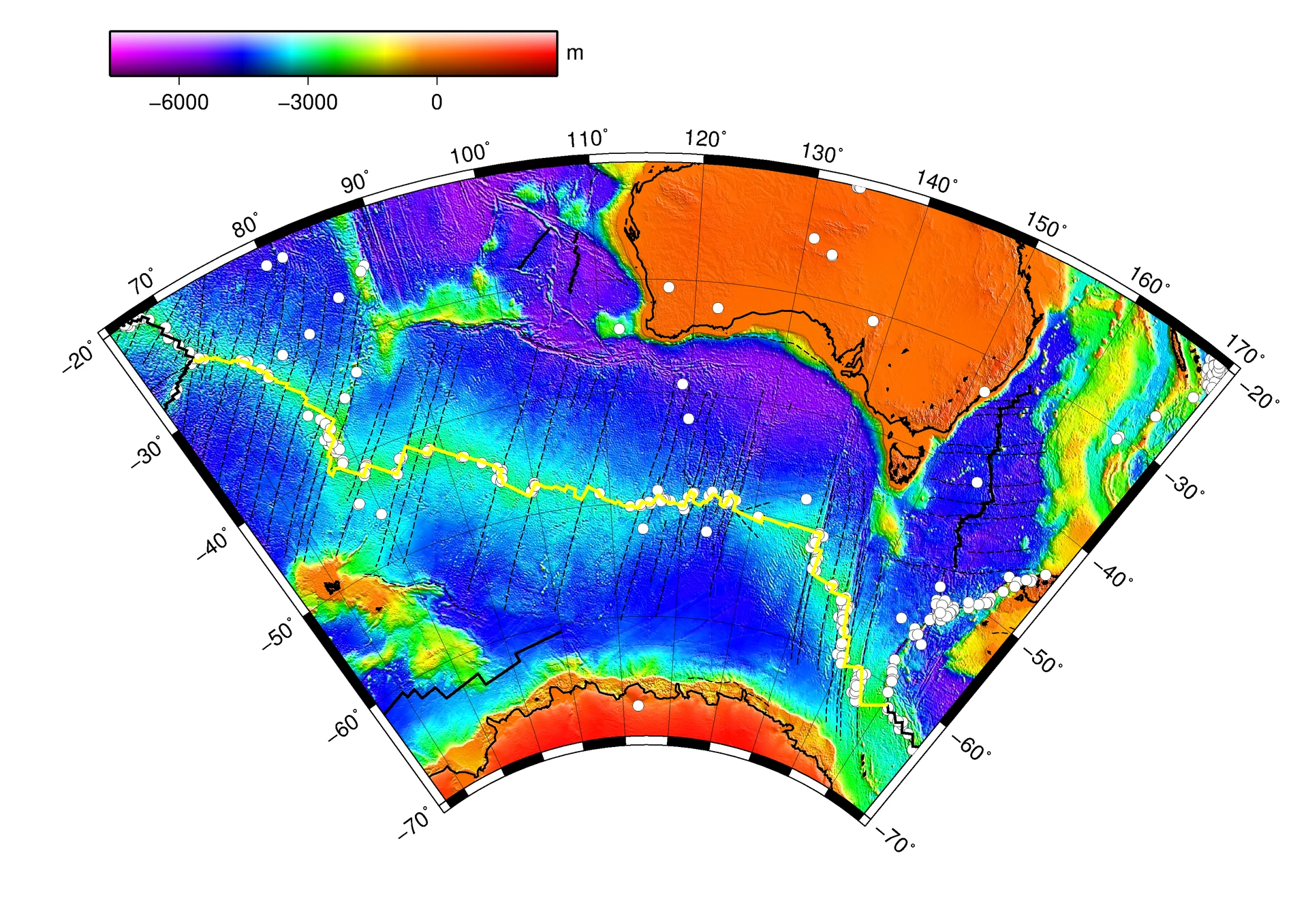
The event began on April 26, 2024, when a sequence of earthquakes shook the seabed deep in the Indian Ocean near Amsterdam Island at about 37°S. An undersea seismo-geodetic observatory and an array of more than 20 measuring stations stretched across roughly 100 kilometres recorded the rifting as it happened. That made it the first in situ measurement of oceanic crust being created between two tectonic plates.
The finding matters because mid-ocean ridges are the seams where the planet remakes its surface. They generate new seafloor, let seawater circulate through the crust, and help drive the exchange of gases and metals that shapes ocean chemistry. The same ridge system also feeds hydrothermal vents and the ecosystems that depend on them, linking deep Earth processes to conditions at the seafloor and in the water above it.
For geophysicists, the value goes beyond the spectacle of lava. Seafloor spreading has long been one of the central pillars of plate tectonics, but most of the evidence came from geology, seismology and models built after the event. Seeing a ridge split, open and disgorge magma in place gives researchers a direct test of how quickly rifting can happen, how much the crust can move in a single episode and how earthquake sequences relate to volcanic output.
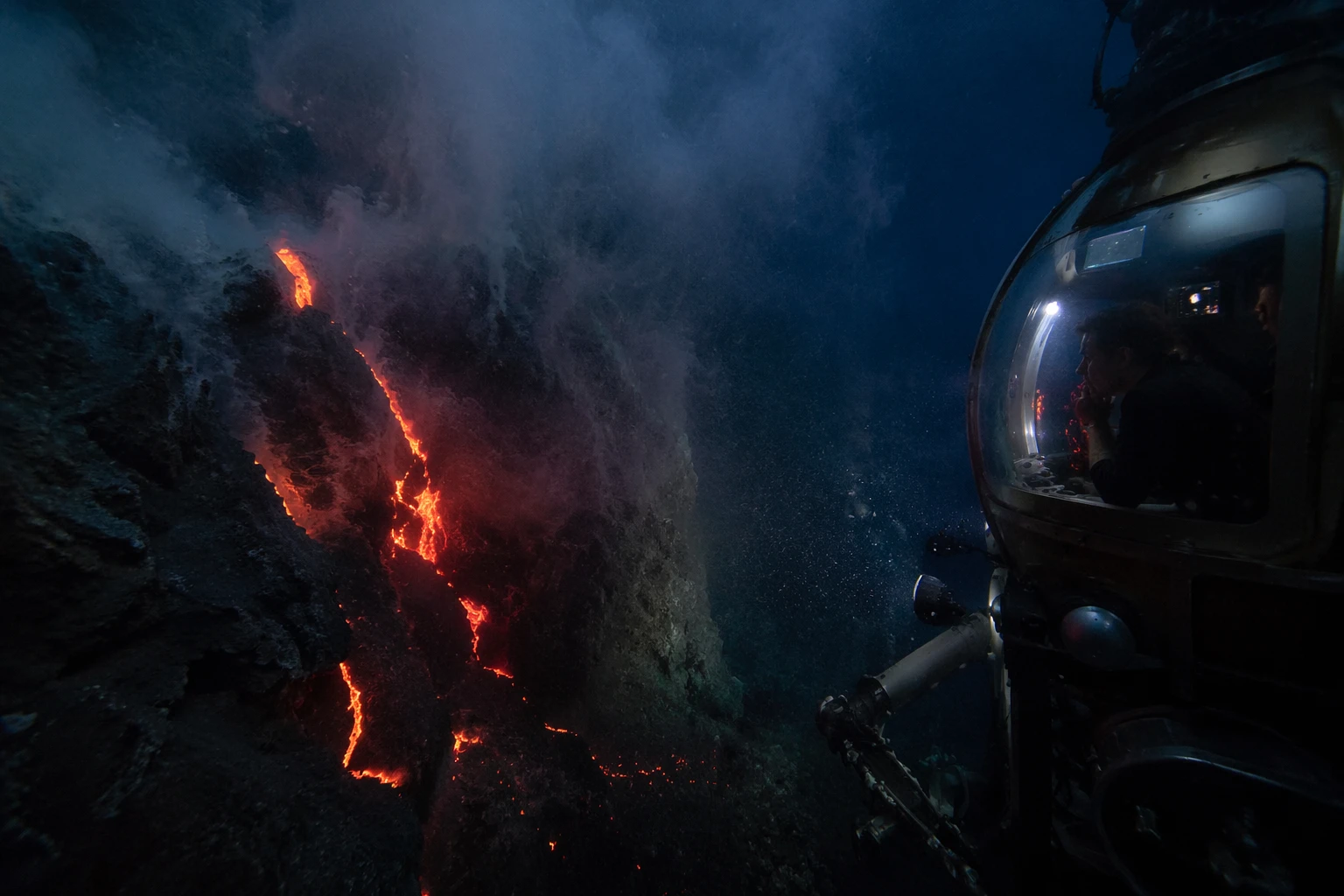
The new observation also follows another milestone in this field. In 2025, scientists aboard the submersible Alvin witnessed a live eruption at the Tica hydrothermal vent on the East Pacific Rise, about 2,500 metres below the surface and roughly 1,300 miles west of Costa Rica. That eruption had been anticipated for more than seven years from NSF-funded work. The Indian Ocean observation goes a step further by instrumenting the spreading process itself, turning a process once inferred from sparse clues into one that can now be measured as it unfolds.
Sources
- [1]nature.com
- [2]preview-www.nature.com
- [3]whoi.edu