Sports
Scotland and Morocco meet in pivotal World Cup group clash in Boston
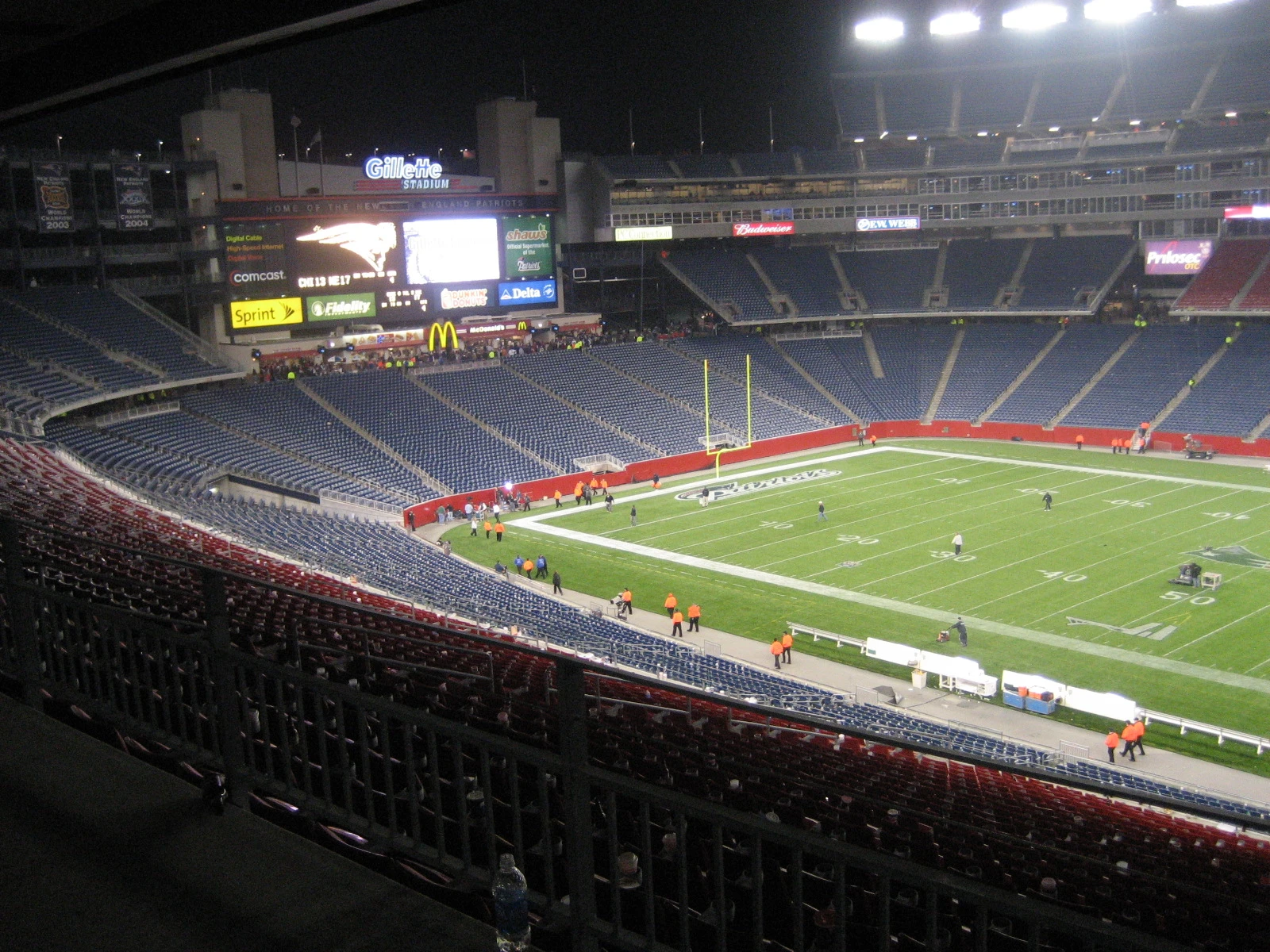
Scotland’s second Group C match in Foxborough carried the kind of pressure that turns every whistle into a referendum. At Boston Stadium, also known as Gillette Stadium, Steve Clarke’s side faced Morocco on June 19, 2026, in Match 30, kick-off set for 22:00 local time with the group standings still tight after Matchday 1.
Scotland arrived on three points after opening with a 1-0 win over Haiti, a result that briefly put them top of Group C. Morocco came in on one point after drawing 1-1 with Brazil, leaving both sides with a clear route to the knockout rounds but no margin for slippage. For Scotland, the stakes were historic: this campaign offered a chance to reach the knockout stage of a World Cup for the first time.
The match also carried the weight of a familiar and painful memory. Scotland and Morocco had met only once before at the World Cup, at Saint-Étienne in 1998, when Morocco won 3-0 and eliminated Craig Brown’s team. Salaheddine Bassir scored twice, in the 23rd and 85th minutes, Abdeljalil Hadda added the second before halftime, and Craig Burley was sent off in the 54th minute under referee Ali Mohamed Bujsaim of the United Arab Emirates. That result remains the only previous World Cup meeting between the countries, and it has shaped the way this fixture has been viewed ever since.
The backdrop in 2026 made every marginal call feel larger. FIFA appointed 52 referees, 88 assistant referees and 30 video match officials for the tournament, a reminder of how heavily modern World Cup games are policed and how quickly debate can settle on a single decision. In a match with immediate knockout consequences, and with Scotland still pursuing a first-ever advance beyond the group stage, officiating scrutiny was always likely to be part of the conversation.
That is what made Boston such a charged setting for Clarke, Andy Robertson, John McGinn and Scotland’s national team. Morocco, for their part, entered with the confidence of a draw against Vinicius Jr. and Brazil, and with Ismael Saibari among the figures expected to shape their campaign. For Scotland, the night was about more than one result. It was about whether this generation could finally push past a barrier that had stood since the World Cup began.
Sources
- [1]bbc.com
- [2]fifa.com
- [3]espn.com
- [4]11v11.com
- [5]heraldscotland.com