Sports
Scotland and Morocco meet in World Cup Group C opener

Scotland and Morocco met at Boston Stadium in Foxborough with the kind of quiet pressure that only a World Cup opener can create. Both sides began Group C on 0 points, but their recent histories could not have been more different: Scotland had fought back to the tournament after a 28-year absence, while Morocco arrived as 2022 semi-finalists after a perfect eight-win run through African qualifying.
FIFA listed the fixture as Match 30 in the first stage, with kick-off set for 19 June 2026 at 22:00 UTC, or 6:00pm local time. Group C also included Brazil and Haiti, which made the Scotland-Morocco meeting more than a simple opening act. It was the first chance for either side to put pressure on the group and to avoid chasing the table from the first whistle.
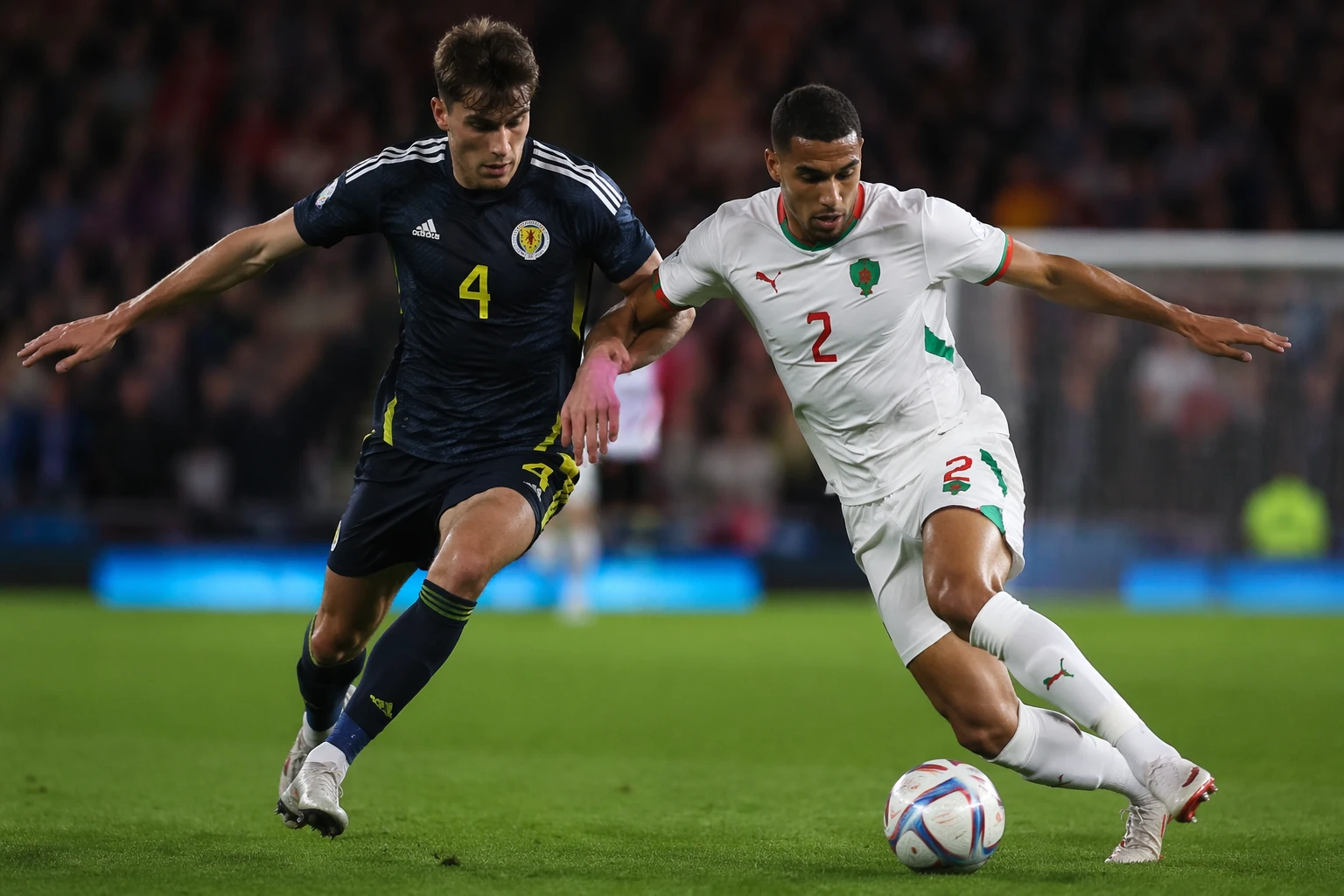
The matchup carried added weight because it was the teams’ first World Cup meeting since France 1998, when they last crossed paths in Saint-Etienne. For Scotland, the occasion marked the return to the game’s biggest stage after ending a long wait by beating Denmark in UEFA qualifying. For Morocco, the assignment came with expectations built on a flawless preliminary campaign and the memory of a deep run to the last four in Qatar.
That is why the public conversation around any player ratings will only tell part of the story. The real measure in a match like this lies in which names actually changed the rhythm, won the midfield collisions, and handled the pressure of an opener with knockout-round consequences. Morocco’s recent record suggested control and efficiency; Scotland’s route back to the tournament pointed to resilience and belief. The tactical truth was always going to sit somewhere between those reputations and the players who imposed themselves on the night.
The group leaves little room for drift. Scotland’s next assignment is Brazil in Miami on 24 June, a reminder that a difficult path was already waiting behind the opener. Morocco, meanwhile, stepped into the tournament with the confidence of a team that had already proved it could go through a qualifying campaign without slipping. In a section that also contains Brazil and Haiti, the first meeting in Saint-Etienne since 1998 felt less like a curiosity than an early test of who could turn reputation into results.