Sports
Scotland fans bring Glasgow cone prank to Boston statues
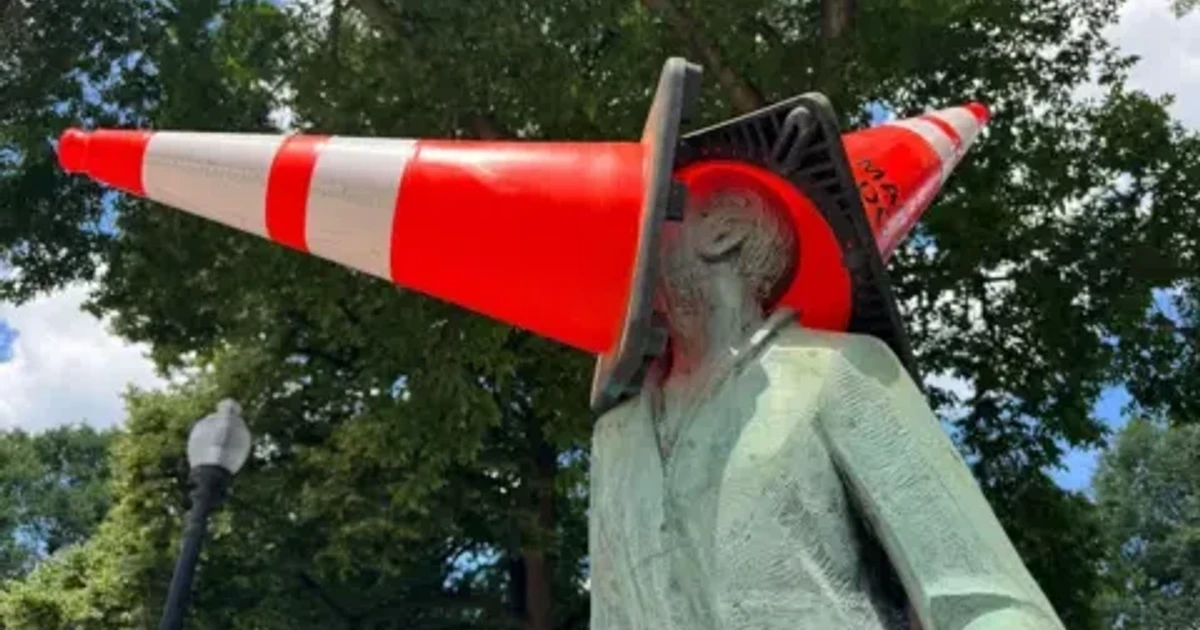
Scotland fans in Boston turned a decades-old Glasgow joke into a traveling act of identity, draping traffic cones over statues across the city as the Tartan Army poured in for the 2026 World Cup. The prank landed as lighthearted homage, not vandalism, and it gave Boston a vivid souvenir of Scottish fan culture.
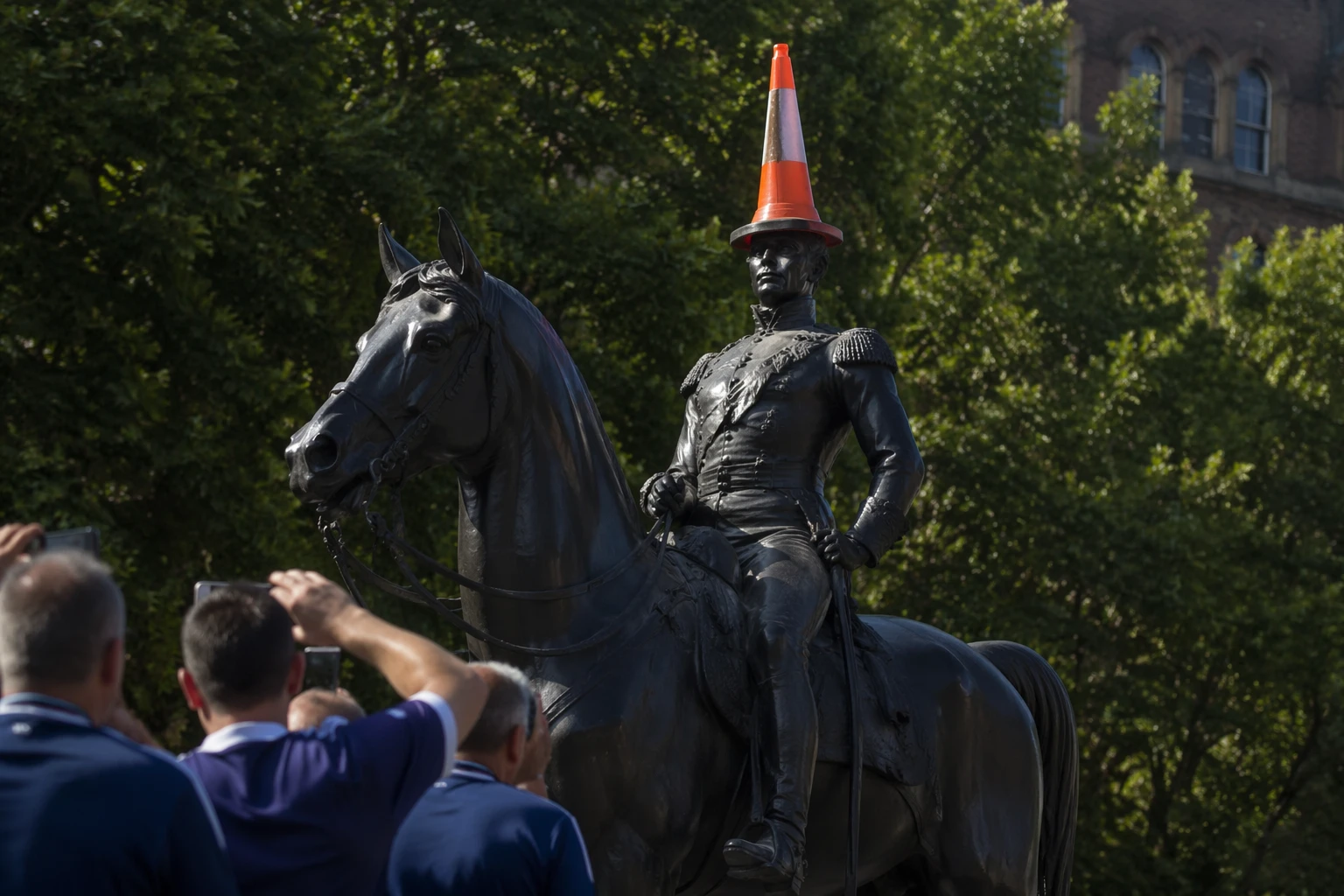
In Glasgow, the reference is instant. The Duke of Wellington statue outside the Gallery of Modern Art has worn a traffic cone since at least the 1980s, a habit so entrenched that the city’s own efforts to remove it were repeatedly undone by public backlash and the cost of keeping it off. The statue of Arthur Wellesley, 1st Duke of Wellington, was erected in 1844, and the cone became part of the city’s civic personality, even drawing praise from Banksy, who publicly called it one of his favorite works of art in the UK.
That joke crossed the Atlantic with Scottish supporters who used Boston’s monuments as their canvas. Reports identified cones atop figures of Bill Russell, Bobby Orr, Paul Revere, Molly Malone, Robert Burns and former Boston mayor Raymond Flynn near Fenway Park. Another Boston sculpture, The Arms of Friendship, a 36-foot, 7-ton bronze octopus on the waterfront, also got the treatment.
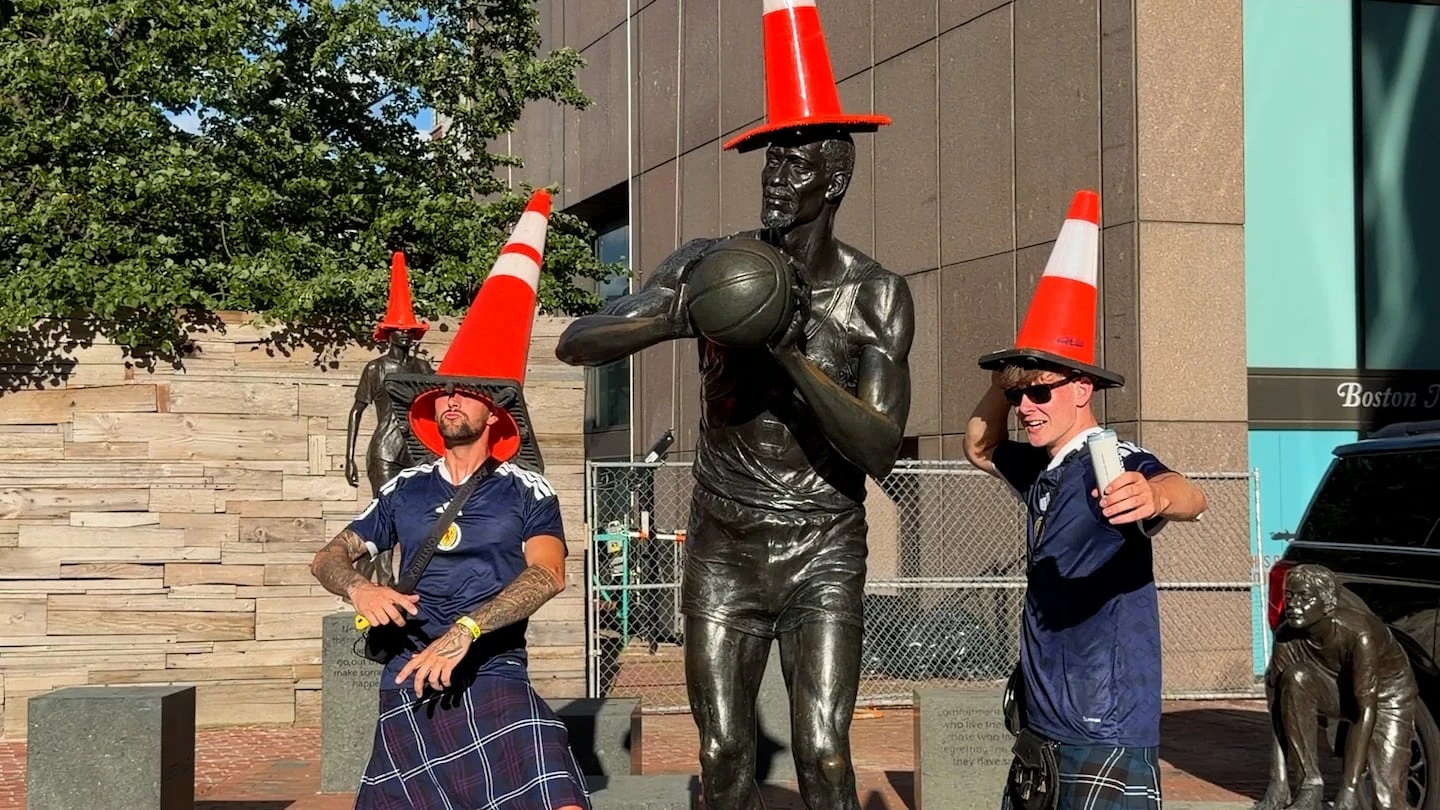
The city around them was already in full tournament mode. Thousands of Scotland and Haiti fans filled Boston in kilts, waving flags, singing, nursing cans of beer and gathering for fan-zone celebrations. Bagpipes and chants echoed through the crowd, and one widely shared scene showed a police officer joining in by doing keepy-uppies, a small moment that captured how the World Cup was reshaping the city into a stage for spectacle and exchange.
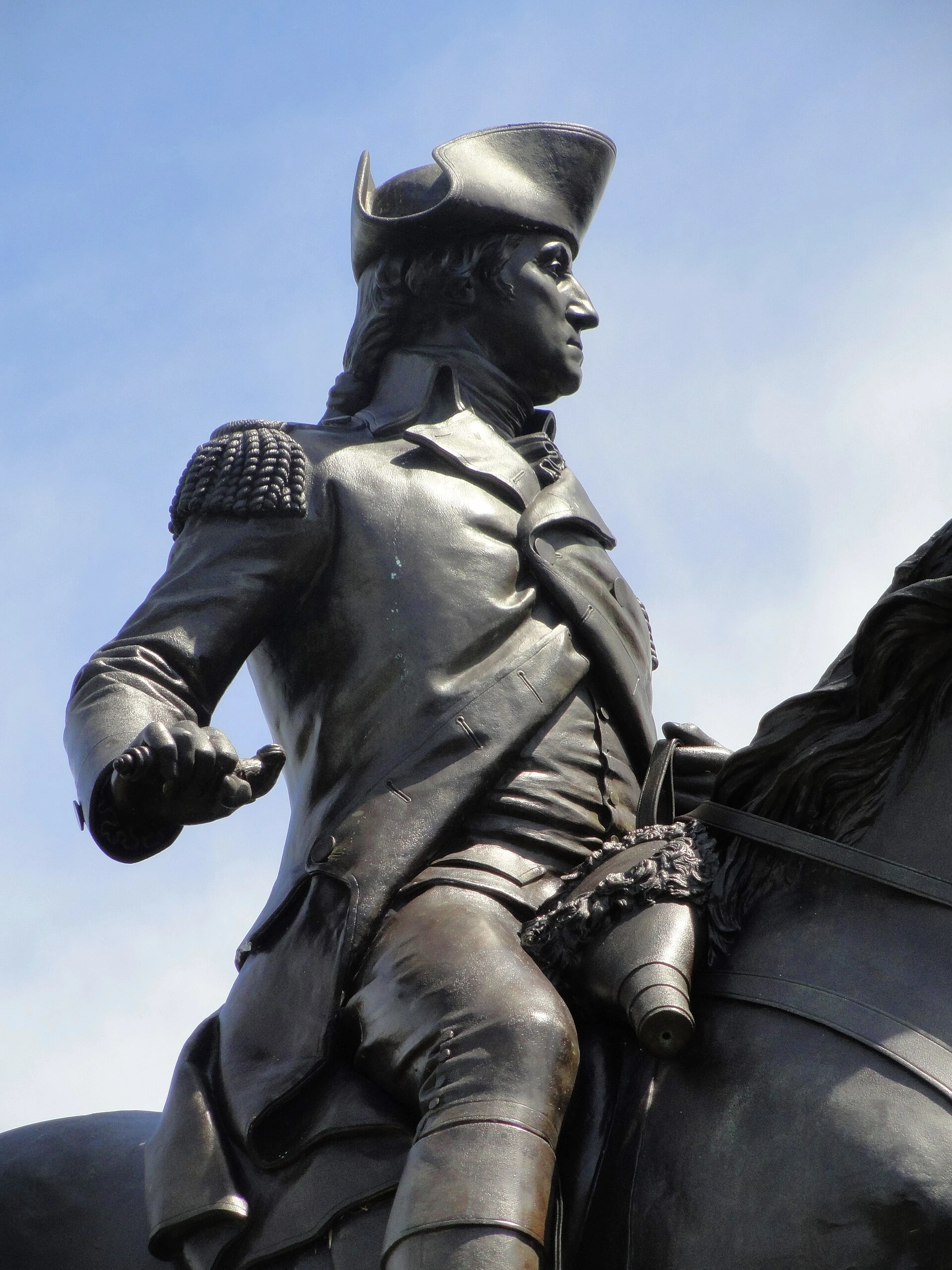
Scotland opened against Haiti on June 14, 2026, and the cone prank fit the mood perfectly: a joke with deep local roots, carried by traveling supporters into a new setting and instantly legible to anyone who knows Glasgow. What began as a bit of street humor outside a museum became, in Boston, a marker of fan identity, sports tourism and the way major events export local traditions far beyond their home city.
Sources
- [1]bbc.com
- [2]bostonglobe.com
- [3]feeds.bbc.co.uk
- [4]holdthefrontpage.co.uk
- [5]boston.com
- [6]msn.com
- [7]europesays.com