Sports
Scotland fans turn Boston into a World Cup party and spending spree
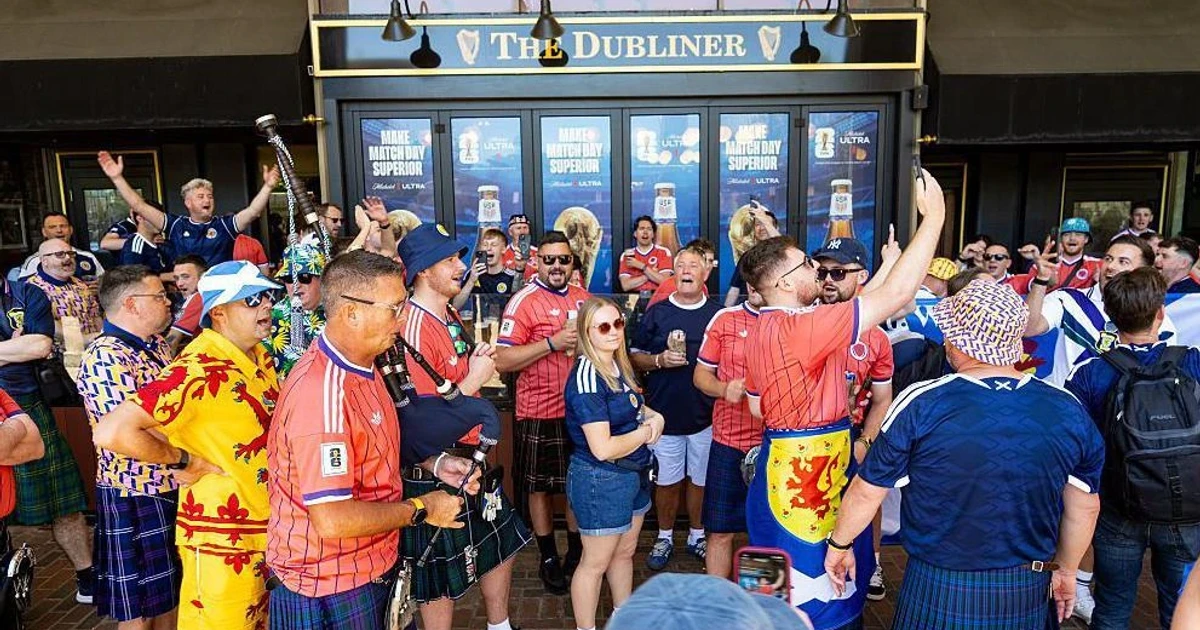
Boston turned into a sea of blue, green and tartan as an estimated 40,000 to 50,000 Scottish supporters arrived for Group C, giving the city a World Cup atmosphere that was as much economic as emotional. Scotland’s return to the tournament after 28 years came with noise, color and spending power, and Boston felt the effect in its bars, on its streets and at city hall.
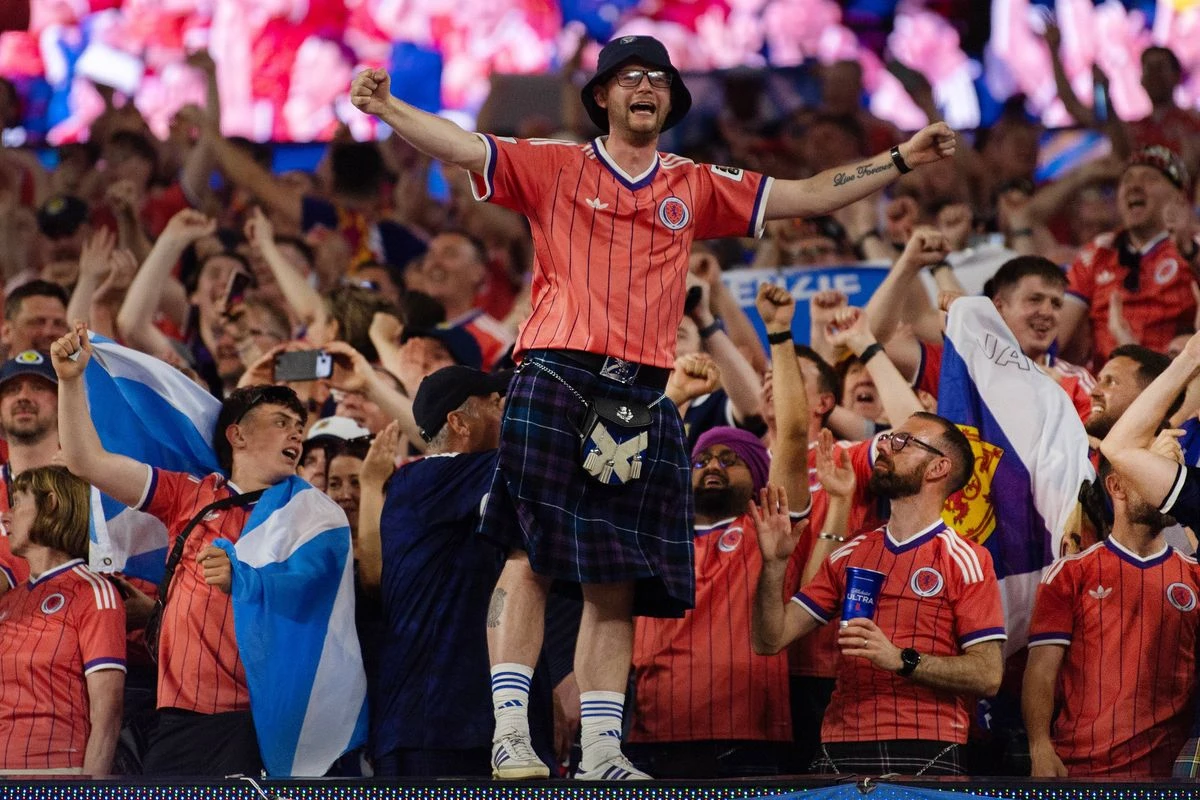
The centerpiece was Boston Stadium, where FIFA and local organizers had renovated the home of the New England Patriots and New England Revolution with a 22,000-square-foot video board and a 22-story lighthouse as part of a plan for seven World Cup matches. Scotland opened in Boston on June 13 with a 1-0 win over Haiti, its first World Cup victory in 36 years, then returned for its second group game against Morocco on June 19 before Brazil waited in Miami on June 24.
The fan takeover quickly became a civic spectacle. Supporters sang and danced at Fenway Park during a Scottish Celebration night, marched from Evans Way Park to Lansdowne with a bagpipe band and packed Boston Common for a gathering organized on social media. Scots and Americans swapped Irn-Bru and Root Beer, while the chorus of “No Scotland, No Party” followed the Tartan Army through a summer calendar that seemed to bend around them.
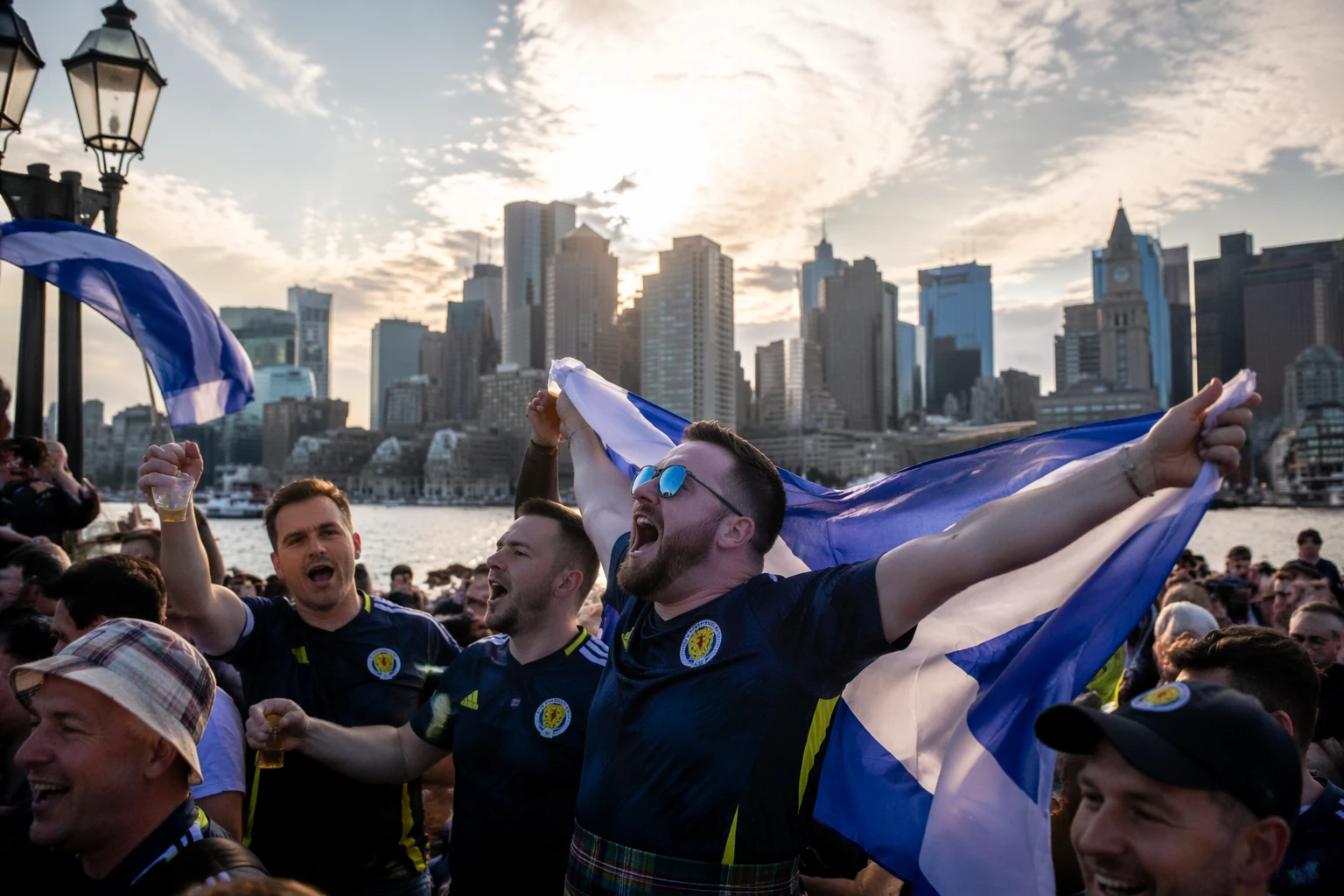
The money followed the music. Boston Beer, maker of Samuel Adams, said Scotland fans drank four times as much Boston Lager as the company would normally sell in a typical four-day holiday stretch such as the Fourth of July. It sold more than 3,000 pints over the weekend and collected 70 empty kegs on Monday. Some Boston bars ran out of beer and shut early, and one pub owner said trade after Scotland’s win over Haiti tripled the level seen on St. Patrick’s Day. A football strip shop reported 67 Scotland tops sold by 2:45 p.m. on game day.
For Boston, the most durable impact may be reputational. Residents repeatedly described the visitors as warm, loud and impossible to ignore. One told the Scots, “You guys are a part of Boston now.” Another said he had fallen in love with Scottish people and had become a dedicated Scotland fan. On June 18, Boston Mayor Michelle Wu signed a letter of intent to establish a sister-city partnership with Glasgow beginning next year, turning a tournament surge into a formal civic link.
England fans have now arrived in Boston before their match against Ghana, and some have said they want to outdrink the Scots. Thomas Concannon, the England Fans’ Embassy lead at the Football Supporters’ Association, had said, “We knew from the off Boston would be one of the great cities to visit at this World Cup.” The Scots have already shown what that means: in a host city, atmosphere can be marketed, but belonging has to be earned.
Sources
- [1]bbc.co.uk
- [2]thesheffieldpress.com
- [3]sports.yahoo.com
- [4]telegraph.co.uk
- [5]boston.com
- [6]nbcnews.com