Sports
Scotland’s midfield dilemma grows as Steve Clarke weighs World Cup changes
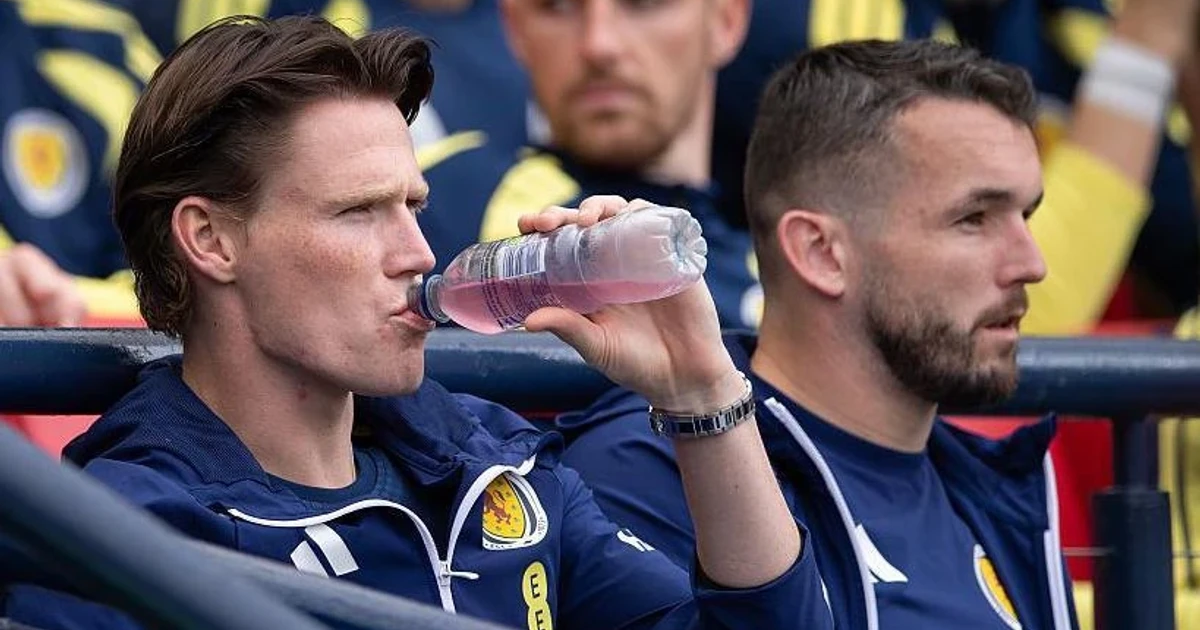
Steve Clarke’s midfield choice has become the defining selection test of Scotland’s World Cup return, because it will shape not just the opener against Haiti but the tone of the whole campaign. Scotland reached the tournament for the first time since 1998, and the group begins with Haiti in Boston on 13 June 2026 before matches against Morocco on 19 June and Brazil on 24 June, a sequence that leaves little margin for error.
The shape of Clarke’s 26-man squad has sharpened the debate. Scott McTominay, John McGinn, Ryan Christie, Lewis Ferguson and Kenny McLean are all in the group, while 19-year-old Lennon Miller was left out, a call that underlined how hard it was to balance present reliability against future promise. FIFA’s squad listing also shows younger attacking options such as Tyler Fletcher, and that matters because Scotland’s midfield decisions will affect how much support reaches the forwards and how much protection the back line receives.
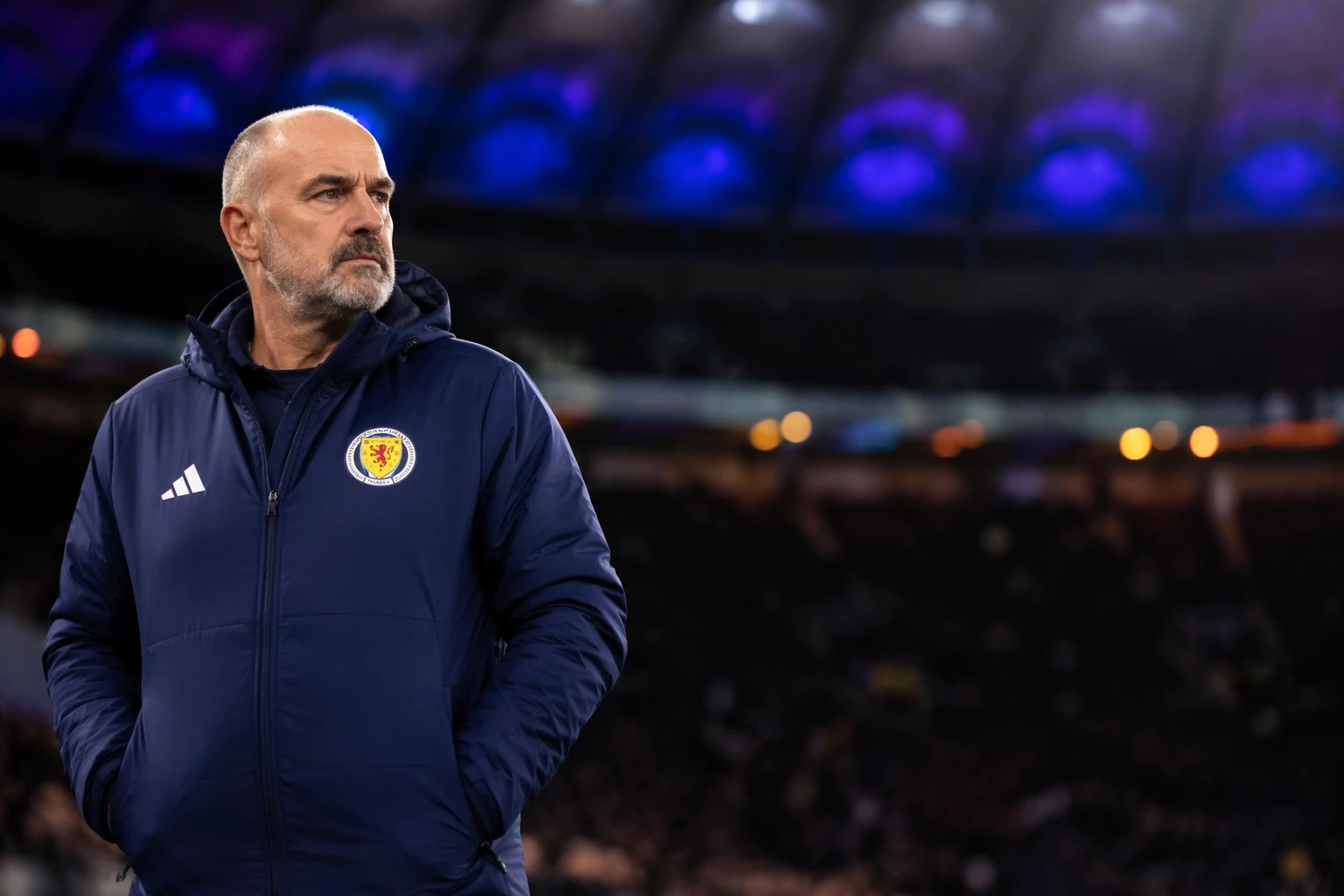
At the heart of the argument is whether Clarke stays with a conservative structure or takes a bolder route. BBC analysis suggested John McGinn may be the player most at risk of missing out on the starting XI, while Scotland have already used Scott McTominay in a deeper role. That points to a familiar Clarke calculation: keep the shape compact, use McTominay and another holding midfielder to limit space, and trust Scotland to grow into games, or add McGinn’s drive and attacking presence at the expense of some defensive security.
The choice matters because Scotland’s midfield has long been seen as the side’s strongest department and a reference point for opponents. Portugal defender Ruben Dias has previously singled out Scotland’s midfield trio as a unit to watch, which says as much about Scotland’s engine room as it does about the threats they will face. If Clarke chooses control, Scotland may be harder to break down but less likely to seize the initiative early. If he chooses creativity, the team may carry more punch against Haiti but also expose itself to sharper transitions.
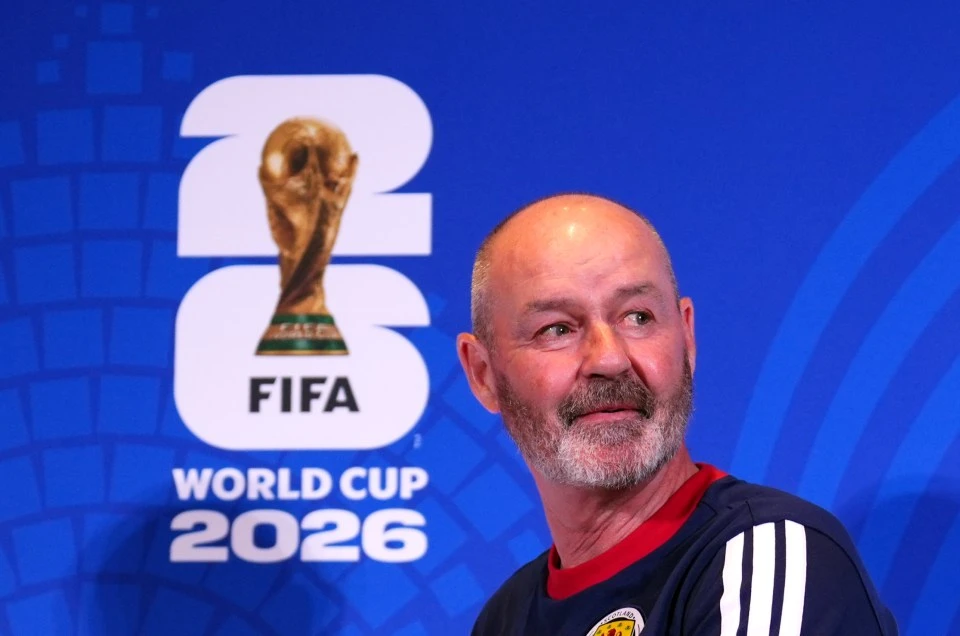
That trade-off carries extra weight in a group that becomes tougher very quickly. Morocco reached the semi-finals at the last World Cup, and Brazil remain one of the tournament’s major powers, with the opener in Boston likely to decide whether Scotland can approach the next two fixtures from a position of confidence rather than survival. For Clarke, the midfield call is not just about one match. It is the first clear sign of how Scotland intend to exist at this World Cup.
Sources
- [1]bbc.com
- [2]fifa.com
- [3]skysports.com
- [4]sports.yahoo.com
- [5]heraldscotland.com
- [6]bbc.co.uk