Entertainment
Scott Mills becomes BBC’s highest-paid on-air presenter after pay rise
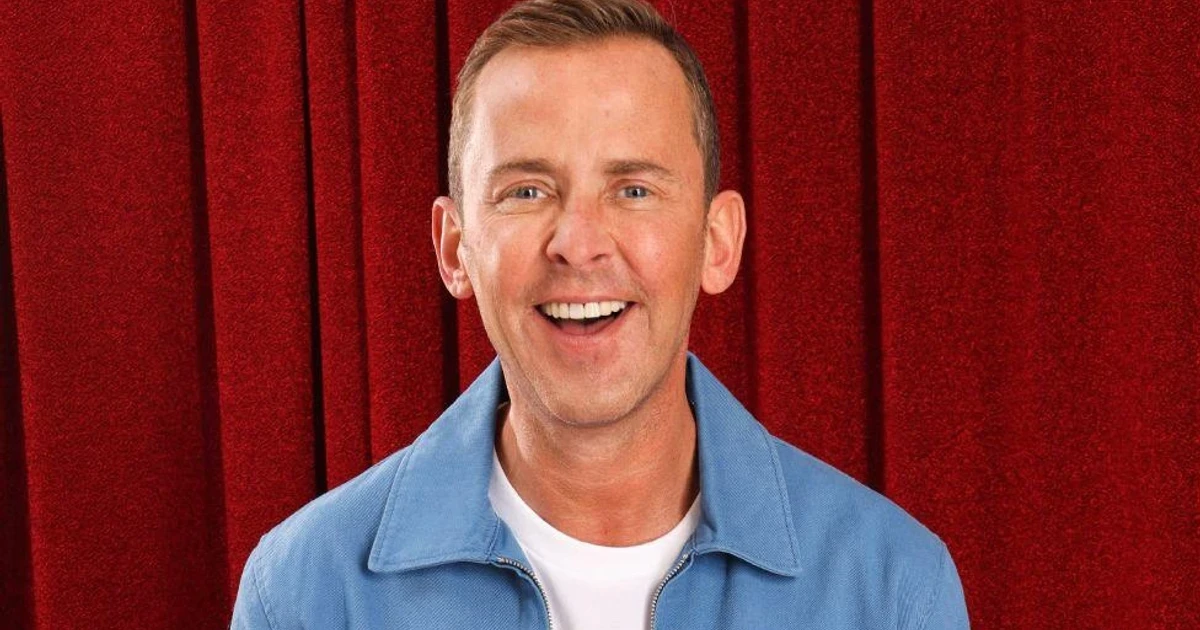
Scott Mills emerged as the BBC’s highest-paid on-air presenter after his earnings rose to between £745,000 and £749,999 in the corporation’s 2024-25 pay disclosures. The increase followed his move onto BBC Radio 2 Breakfast in January 2025, replacing Zoe Ball in the flagship morning slot.
The BBC Group annual report and accounts for 2024 to 2025, published on 15 July 2025 and laid before Parliament, covered the financial year ended 31 March 2025. The National Audit Office issued a clean audit opinion on the accounts, giving the corporation a formal sign-off on its financial statements for the period.
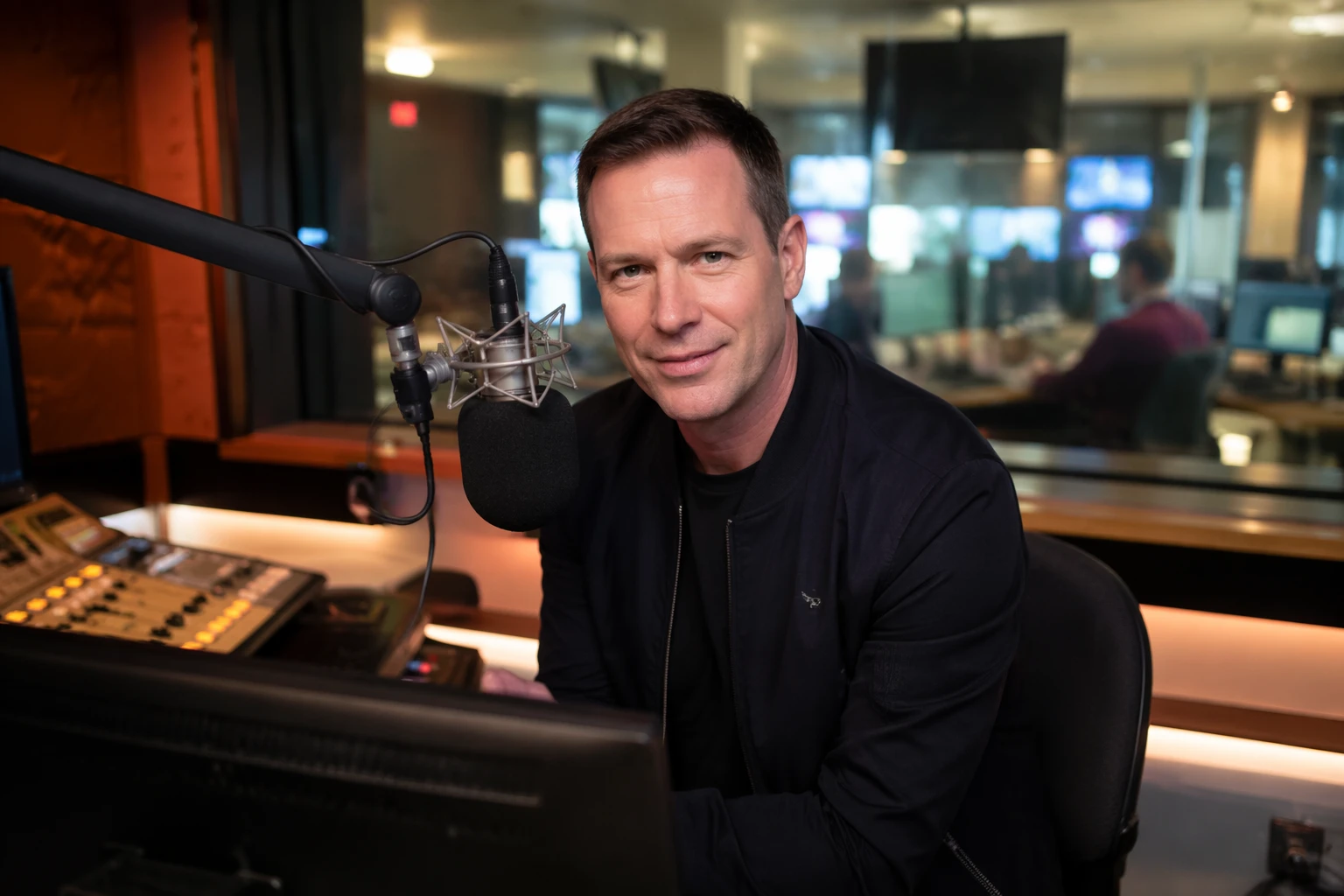
Mills’s pay package covered the Radio 2 Breakfast Show, Pop: Top 10 shows and other public-service engagements. That mix matters because the BBC does not present its top salaries as a simple market test; its own pay principles say the corporation must attract and retain key talent while delivering value for licence-fee payers. In practice, that leaves the broadcaster trying to justify premium compensation for presenters whose work is tied to public service rather than commercial ratings alone.
The disclosure lands in a corporation that has spent years under pressure over presenter pay and broader value for money. BBC salary transparency has remained a sensitive issue because the broadcaster relies on a compulsory licence fee while competing for audiences against a crowded streaming and radio market. Each high-end salary therefore becomes a test of whether the BBC can defend its spending as necessary to protect reach, familiarity and service quality.
The backdrop this year was especially fraught. Ofcom’s 2024-25 report said the BBC was facing another significant crisis involving editorial decision-making, a period that ended with the resignations of Tim Davie and Deborah Turness. That combination of governance strain and salary scrutiny leaves the corporation balancing two demands at once: paying enough to keep recognisable broadcasters in place, and proving to the public and Parliament that the money is being spent in a way that can still command trust.
Sources
- [1]bbc.co.uk
- [2]gov.uk
- [3]nao.org.uk
- [4]independent.co.uk
- [5]standard.co.uk
- [6]ofcom.org.uk
- [7]downloads.bbc.co.uk