Sports
Scottish fans split over backing England in World Cup run
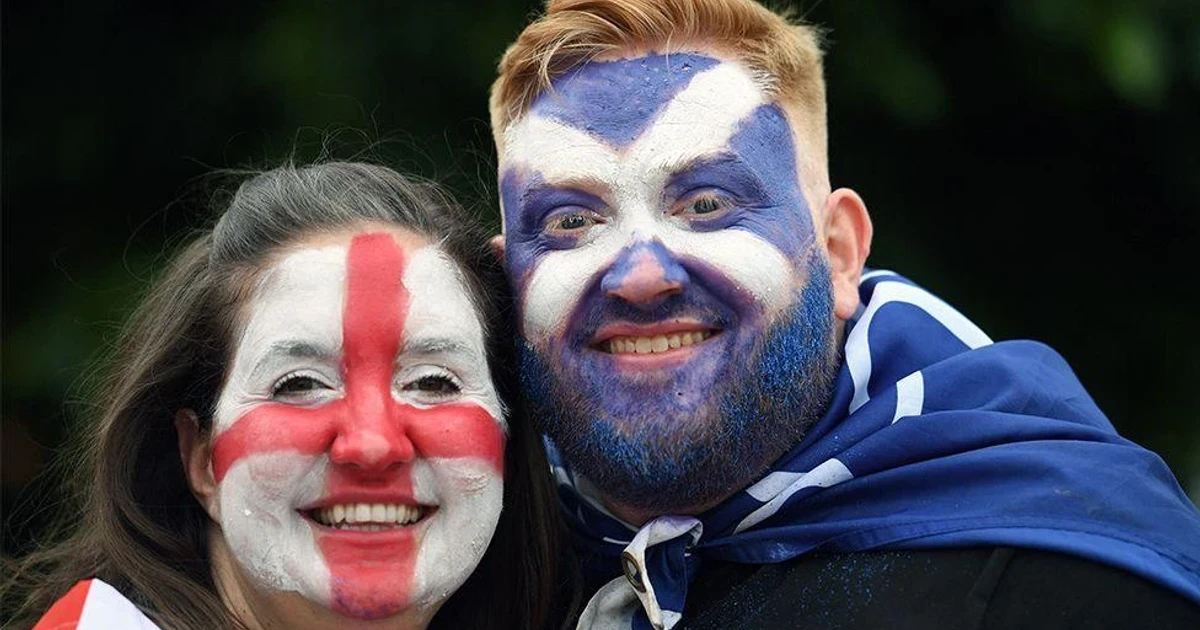
Before the tournament started, a YouGov poll found that 31% of Scots wanted England to do badly, compared with just 3% of English respondents who hoped Scotland would do poorly. For some, the idea of cheering for England feels like crossing a line drawn long before the modern game. For others, the choice is easier: support a neighbour, or support anyone but England.
A rivalry older than the modern game
The tension reaches back to 30 November 1872, when Scotland and England played the first official international match at Hamilton Crescent in Partick, Glasgow, in front of about 4,000 spectators. It ended 0-0, and UEFA treats that date as the beginning of international football. Both countries have long claimed a share in inventing the sport, but Scotland helped shape its early style by popularising the passing game, while England went on to lift the men's World Cup in 1966.
Scotland's men's team have never gone beyond the first round of the World Cup, even after qualifying for their first men's tournament since 1998. England's runs on the world stage, by contrast, still trigger old arguments north of the border about what it means to be Scottish, British, or both.
Why some Scots will not cheer
Hamish Husband, a Tartan Army organiser partly brought up in England and a Carlisle United supporter, captures that unease. He does not watch England games because he feels too guilty about wanting them to lose, and he describes England as Scotland's "big brother". What irritates him most is not just the team itself, but the language around it, especially media phrasing such as "our nation" and "our country" when England are in action.
His objection goes beyond individual players or the manager. It is about the wider emotional fallout of an English win and the way coverage can assume British unity where many Scottish viewers feel a sharper boundary. He argues that other countries do not usually consume rival national-team coverage in quite the same way, while Scots are regularly exposed to England commentary, which keeps the rivalry in constant view.
Polling shows the split is real
A more recent YouGov World Cup poll in June 2026 sharpened the picture further, with Scots more likely to hope England do badly, at 32%, than to hope they succeed, at 27%.
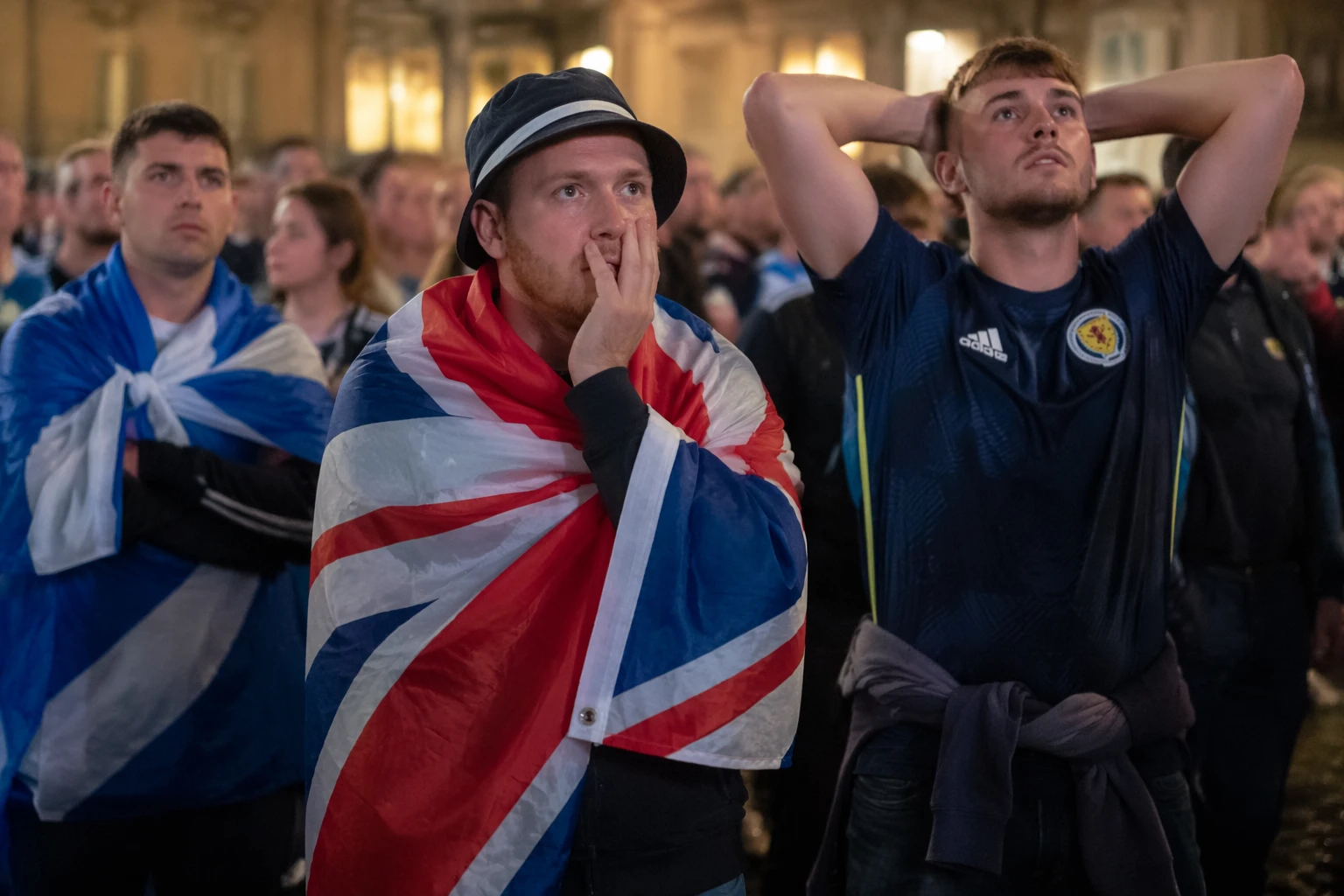
That same polling found 55% of Scots said they would be actively supporting Scotland at the World Cup, while 46% of people in England said they would be cheering on the Three Lions. Interest in the tournament was also broadly comparable on both sides of the border, with 36% to 37% saying they expected to follow the 2026 World Cup at least a fair amount.
Argentina turns football into politics
If Scotland versus England is the oldest rivalry in international football, Argentina versus England is one of its most politicised. The 1966 World Cup quarter-final at Wembley sharpened tensions after Antonio Rattín was sent off and England won 1-0, creating a flashpoint that went well beyond the pitch. The Falklands War, which lasted 74 days in 1982, added a military and national grievance that still colours how the fixture is understood.
The 1986 World Cup quarter-final kept that edge alive. Diego Maradona scored both the "Hand of God" goal and the "Goal of the Century" in Argentina's 2-1 win over England, leaving a cultural memory that still reaches into present-day fan behaviour. Security authorities have treated the England-Argentina meeting as a high-risk fixture because the rivalry has repeatedly spilled into hostile atmospheres around the match.
Starmer's appeal, and the Scottish backlash
The political dimension resurfaced sharply in 2026 when Keir Starmer said he would "very much encourage" Scotland and Wales fans to support England against Argentina and urged "unity". His spokesman reinforced that message by encouraging everyone to back the England team. The intervention immediately drew criticism from Scottish voices, including Scottish Labour MP Brian Leishman and Moray councillor Tracy Colyer, who attacked Scots planning to support Argentina and tied support for England to shared British identity and Falklands-era military history.
That debate has also played out online, where Scots buying Argentina shirts prompted hostile reactions from England fans.
Sources
- [1]bbc.co.uk
- [2]sports.yahoo.com
- [3]uefa.com
- [4]yougov.com
- [5]thenational.scot
- [6]aol.com
- [7]rte.ie
- [8]englandfootballonline.com