US News
Screwworm Detected in Texas Sparks Renewed Livestock Concerns
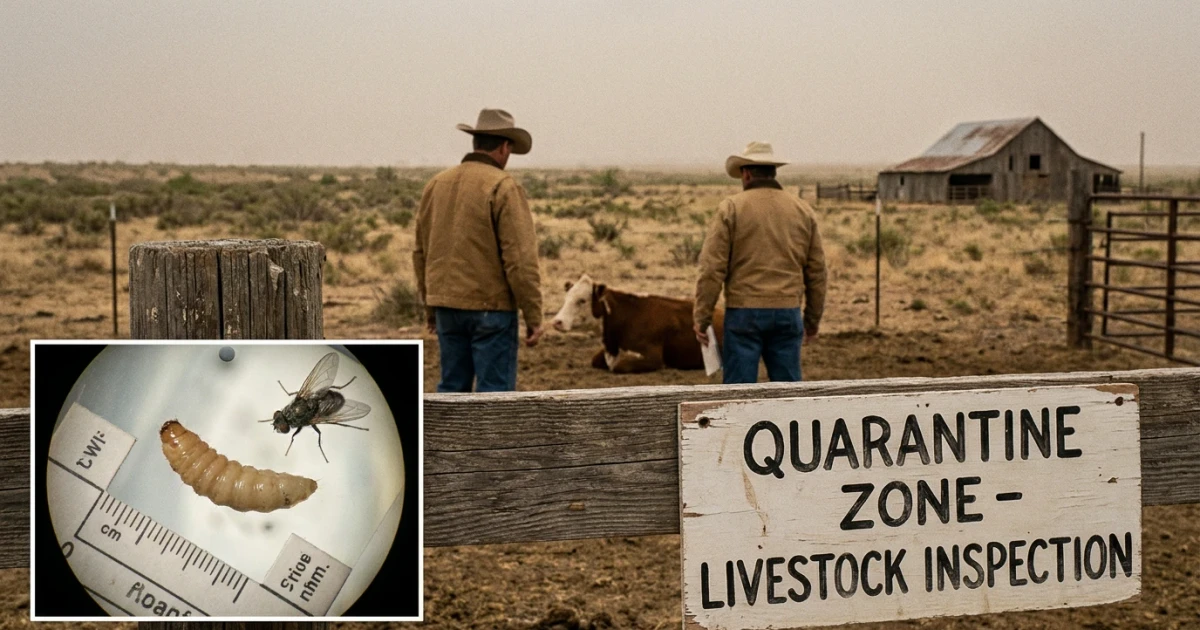
The New World screwworm, a parasitic fly notorious for devastating livestock, has been detected in Texas for the first time in nearly sixty years, according to recent reports from both the BBC and CBS News. The resurgence of this flesh-eating pest near the U.S.-Mexico border has raised alarms among agricultural authorities and ranchers, threatening the health of cattle herds and other warm-blooded animals across the region.
First Case Confirmed in Texas
The US Department of Agriculture (USDA) Animal and Plant Health Inspection Service (APHIS) confirmed the detection of a screwworm case in Texas, following the identification of the pest just 25 miles from the U.S. border. The BBC reported that this marks the first known U.S. case since the 1960s, when an extensive eradication program successfully eliminated the parasite from the country. CBS News added that the case was detected after routine surveillance, underscoring the importance of ongoing monitoring efforts in border regions.
Understanding the Screwworm Threat
The flesh-eating screwworm, or Cochliomyia hominivorax, is a fly species whose larvae infest wounds of warm-blooded animals, including cattle, deer, pets, and even humans. The larvae feed on living tissue, causing severe wounds, infections, and, if left untreated, death. According to the BBC, the reemergence of screwworm in Texas threatens the state’s multi-billion-dollar cattle industry and could have wide-reaching ecological and economic impacts if not contained quickly.
Historical Context and Eradication Efforts
The United States launched an aggressive eradication campaign in the 1950s and 1960s, culminating in the official declaration of the country as screwworm-free in 1966. The success of the program relied heavily on the use of the sterile insect technique, where millions of sterile male flies were released to control the population. Since then, the USDA has maintained vigilant surveillance at border areas to prevent reintroduction from neighboring countries where the pest remains present.
As CBS News noted, the current detection near the Texas border likely originated from populations in Central or South America, where eradication programs are ongoing but not yet fully successful. The Food and Agriculture Organization (FAO) continues to track outbreaks and coordinate cross-border control efforts to limit the pest’s spread.
Response from Agriculture Officials
- Quarantine measures have been implemented in the affected area to contain potential spread, with local veterinarians and ranchers urged to report any suspicious wounds or cases of myiasis in livestock.
- The USDA is ramping up surveillance and fly trapping along the border to determine the extent of the infestation.
- Public awareness campaigns are being launched to educate livestock owners on early detection and treatment options.
The BBC emphasized the urgency of rapid intervention, as screwworm outbreaks can escalate quickly if not addressed. In previous outbreaks, thousands of animals were affected before containment measures took hold.
Potential Impact and Next Steps
While only one case has been officially confirmed so far, both BBC and CBS News note that the risk of wider spread remains a concern, especially in Texas’s extensive ranching regions. Officials are closely monitoring animal movements and collaborating with Mexican authorities to track possible cross-border transmission. The USDA’s historical data demonstrate the economic stakes: past screwworm infestations cost U.S. livestock producers hundreds of millions of dollars annually in lost animals and treatment expenses.
What Livestock Owners Should Do
- Inspect herds frequently for unusual or persistent wounds.
- Report any suspected cases to local veterinarians or USDA officials immediately.
- Follow biosecurity protocols to prevent accidental spread of larvae between animals or properties.
Looking Forward
With swift detection and containment efforts underway, U.S. agriculture authorities are aiming to prevent a repeat of past outbreaks. The situation remains fluid, but lessons learned from previous eradication campaigns, as detailed in USDA and FAO records, provide a roadmap for response. Continued vigilance and cross-border cooperation will be critical as officials seek to protect the nation’s livestock—and economy—from this dangerous parasite.