Science
Sea Cucumber Flesh Displays Remarkable Regeneration Ability
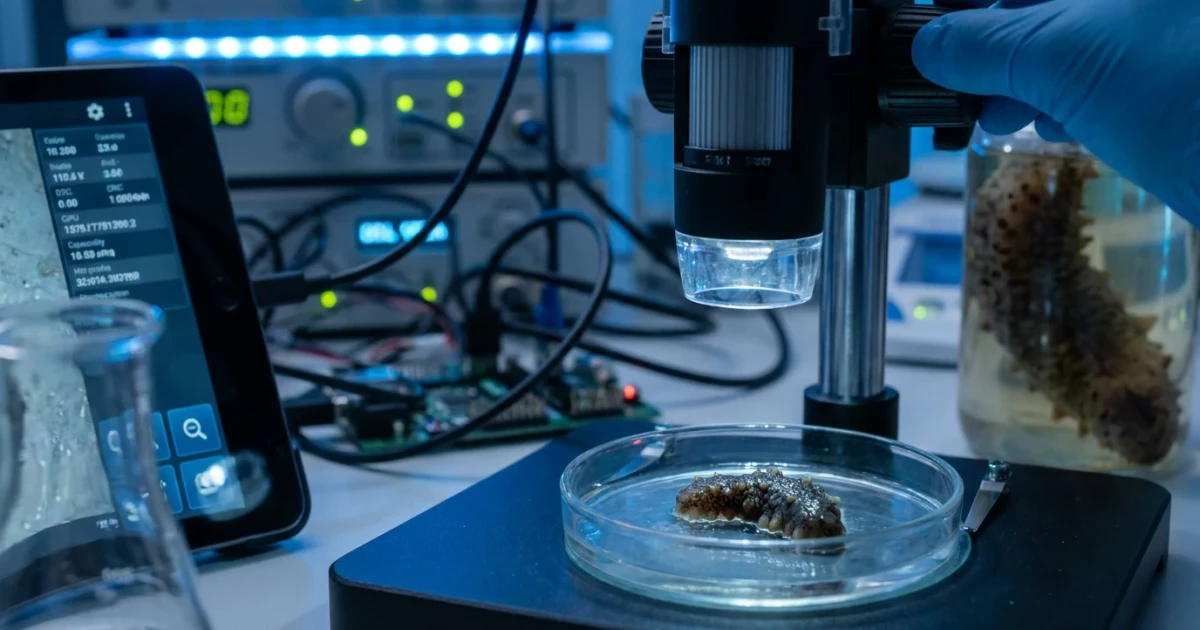
Scientists are investigating an extraordinary case of sea cucumber tissue that has survived for several years after being amputated, sparking renewed interest in the regenerative abilities of marine life and the potential for biological immortality. The phenomenon was first highlighted by Futurism, which reported on researchers' fascination with the persistent viability of a chunk of sea cucumber flesh that seemingly refuses to die.
Long-Term Survival of Isolated Sea Cucumber Tissue
The case centers on a piece of sea cucumber tissue, specifically from Holothuria leucospilota, which has remained alive well beyond what scientists expected. According to peer-reviewed experimental findings, isolated sea cucumber tissues have demonstrated survival rates that can extend for years under controlled laboratory conditions. These results have been confirmed by multiple studies, showing that the tissue retains metabolic activity and cellular integrity long after being separated from the main organism.
- Sea cucumber tissue can maintain viability for months or even years post-amputation.
- Regenerative processes allow for restoration of lost organs and body parts.
- Cellular analysis reveals ongoing tissue repair and adaptation, even in isolated samples.
Regeneration and Potential Biological Immortality
This remarkable longevity is closely tied to the sea cucumber's well-documented regenerative abilities. According to a review of regeneration in echinoderms, sea cucumbers possess the capacity to regrow complex tissues, including internal organs, following injury. Their cellular mechanisms involve dedifferentiation, proliferation, and migration of cells to reconstitute damaged regions. The persistence of amputated tissue suggests that these regenerative pathways may support long-term survival, raising questions about whether sea cucumbers are 'biologically immortal.' While the term immortality is debated among scientists, the ability to avoid cell death and maintain function over extended periods is considered exceptional.
What Makes Sea Cucumbers Unique?
Sea cucumbers belong to the class Holothuroidea, a group of echinoderms renowned for their regenerative resilience. Their anatomy and physiology allow them to withstand environmental stressors and recover from severe injuries. Data compiled in the SeaLifeBase species database shows that Holothuria leucospilota is distributed widely across Indo-Pacific regions, adapting to diverse habitats and demonstrating a high degree of tissue regeneration.
Implications for Science and Medicine
The survival of sea cucumber tissue for years post-amputation has significant implications for regenerative medicine and biotechnology. Researchers are exploring the molecular pathways that enable this resilience, with the hope of translating findings into therapies for human tissue repair. A recent open-access study has mapped the mechanisms involved, including immune modulation and cellular plasticity.
- Potential applications in wound healing and organ repair.
- Insights into stem cell biology and tissue engineering.
- Challenges in replicating sea cucumber regeneration in mammals.
Scientific Debate and Ongoing Research
While the story of the 'immortal' sea cucumber flesh has captured the imagination of scientists and the public, experts caution against overstating the findings. The concept of biological immortality remains controversial, with many researchers emphasizing the distinction between extended tissue survival and true immortality. Ongoing studies are focused on isolating the genetic and molecular factors that underpin sea cucumber regeneration, with the goal of understanding how these processes might be harnessed in other organisms.
As research continues, the case of the enduring sea cucumber tissue serves as a striking example of nature's capacity for resilience and regeneration, underscoring the importance of marine biology in advancing scientific knowledge.