Science
Sea Cucumber Regeneration Offers Clues to Biological Immortality
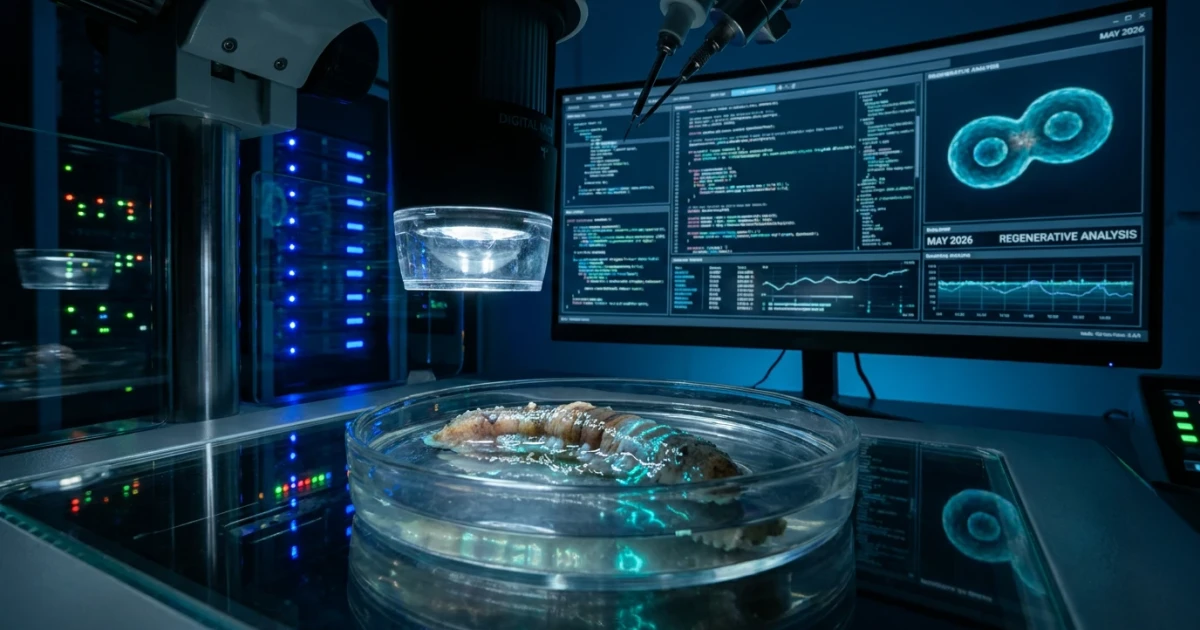
Scientists have discovered that amputated parts of sea cucumbers can survive independently and begin regenerating, a finding that could unlock new approaches to human tissue repair and aging. The research, highlighted by CNN, revealed that even severed pieces of sea cucumbers exhibit remarkable resilience, showing cellular activity and the potential for regeneration long after separation from the main organism.
Sea Cucumbers and Their Unique Regenerative Abilities
Sea cucumbers, members of the Holothuroidea class of echinoderms, have long fascinated scientists with their ability to regrow lost organs and tissues. According to recent scientific studies, these invertebrates can regenerate entire digestive tracts, muscles, and even nervous tissue—a capability rare among multicellular animals.
The CNN report described an experiment where researchers amputated parts of a sea cucumber’s body. Surprisingly, the severed sections did not die as expected. Instead, they maintained metabolic activity and began the process of self-repair, raising questions about the underlying biological mechanisms responsible for this apparent ‘immortality.’
Evidence from Recent Research
Studies published in journals such as Frontiers in Cell and Developmental Biology and PeerJ have detailed how sea cucumbers utilize stem-like cells and specialized molecular pathways to drive regeneration. These mechanisms involve the rapid activation of genes that control cell proliferation and differentiation, enabling the formation of new tissues from the wound site.
- Sea cucumbers can regenerate internal organs lost due to predation or self-evisceration (a defense mechanism).
- Regenerative processes are supported by the dedifferentiation of mature cells, which revert to a more primitive, stem-like state.
- Amputated body parts in some species can survive for days or weeks, showing active cell division and tissue formation.
Data from SeaLifeBase further confirms that species like Holothuria leucospilota (black sea cucumber) are among those with exceptional regenerative potential, even after substantial injury.
Potential Impact on Medicine and Aging Research
The findings could have significant implications for regenerative medicine, organ transplantation, and aging research. By understanding the cellular and genetic triggers behind sea cucumber regeneration, scientists hope to identify molecular targets that could be manipulated in humans to enhance tissue repair, reverse degenerative diseases, or slow aging.
Research teams are increasingly focused on the transcriptomic analysis of regenerating tissues, examining which genes are switched on or off during the process. This approach could reveal critical pathways shared with humans or highlight unique factors that make echinoderm regeneration possible.
Scientific Debate and Future Directions
While the resilience and regenerative capacity of sea cucumber tissues are well documented, the notion of ‘immortality’ in amputated parts remains a subject of scientific debate. Some researchers caution against interpreting persistent cellular activity as true immortality, noting that eventual deterioration and cell death can still occur.
Nevertheless, the ability of severed sea cucumber parts to resist death and initiate regeneration offers a compelling model for further study. As more discoveries emerge, the hope is that insights from sea cucumbers will inspire new therapies for wound healing, organ repair, and the mitigation of age-related decline in humans.
For more on the biology of sea cucumbers and regeneration, readers can explore the full research article and related studies in cellular and molecular regeneration.