World
Sealand marks its founding, world’s smallest state still claims independence
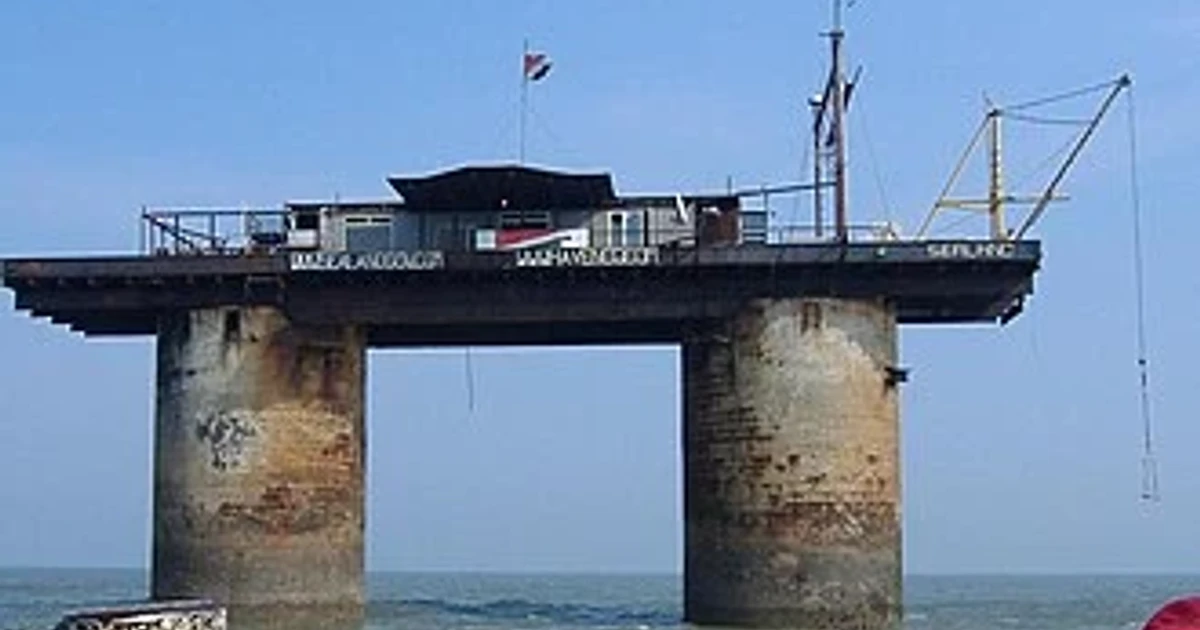
Sealand has spent nearly six decades insisting that a rusting sea fort in the North Sea became a sovereign principality when Roy Bates declared it independent on 2 September 1967. The claim still rests on Roughs Tower, a former World War II sea fort about 12 kilometers, or 6.5 nautical miles, off the coast of Suffolk, England, where Bates had moved in late 1966 to set up a pirate radio station.
The harder question is not whether Sealand can declare itself a state, but whether the declaration carries legal force. Under international norms, sovereignty is judged by more than a flag or a royal title. A state generally needs territory, a permanent population, a functioning government and some capacity to deal with other states, and recognition from other governments often determines whether those claims matter beyond symbolism. That is the gray zone where Sealand has lived since its founding.
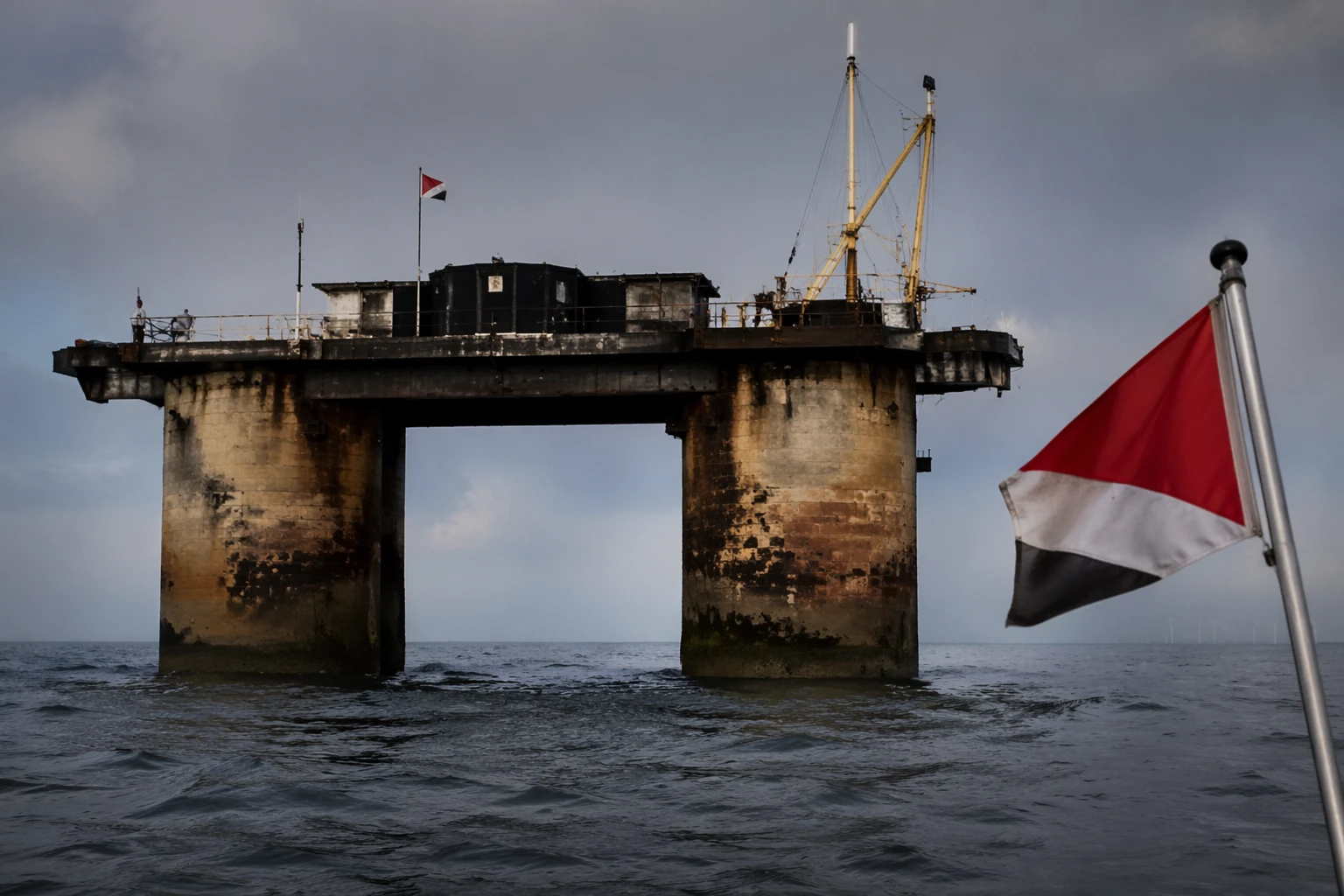
The Principality of Sealand says it has its own flag, constitution, currency and passports, and that the Bates family has maintained the project ever since. Its official history says the tiny state has weathered armed invasion attempts, legal battles, a coup attempt and natural disaster. Sealand also says it now has more than 1.5 million followers worldwide, a digital audience that has helped keep the platform visible long after its origins in pirate radio.
Sealand identifies Roy Bates as Prince Roy Bates, and says Prince Michael of Sealand is his son. Current public-facing material also includes Prince Liam of Sealand, tying the old sea-fort story to newer branding around digital sovereignty and micronations. The site says the principality has one permanent resident, a detail that underscores how thin the population claim is when set against the standards normally associated with statehood.
Britannica describes Sealand as an early and well-known example of a micronation, and notes that Roughs Tower was one of the wartime forts built to defend Britain. That history is part of why Sealand endures in debates over sovereignty: it is small enough to be ignored by most governments, yet persistent enough to keep forcing the same legal question. Self-declaration can create a symbol; recognition is what turns that symbol into a state.
Sources
- [1]cbsnews.com
- [2]sealandgov.org
- [3]britannica.com