Technology
Search Engines, AI, and the High-Stakes Battle for Fair Use in the Digital Age
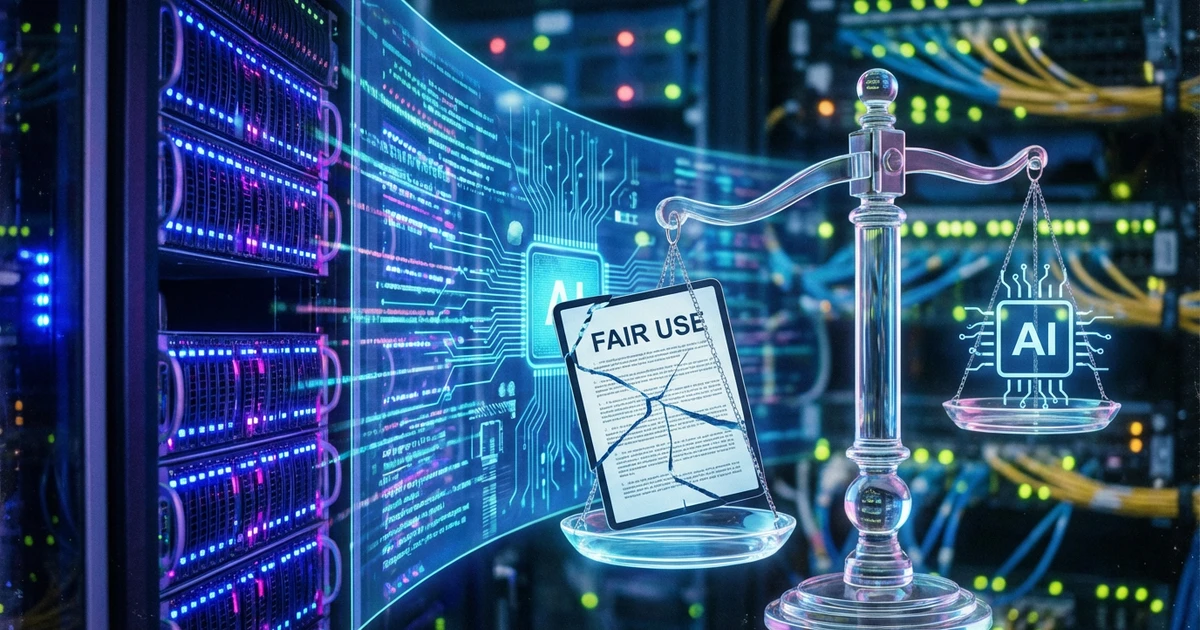
Search engines and artificial intelligence (AI) are revolutionizing how information is discovered and used online, but this rapid evolution is reigniting complex debates over fair use—a cornerstone of copyright law that balances creators' rights with public access to knowledge.
The Role of Search Engines in Fair Use
For decades, search engines have relied on fair use doctrine to index, excerpt, and display snippets of online content. This legal principle has allowed platforms like Google, Bing, and others to provide users with search results that include small portions of websites, helping people find relevant information quickly. The Electronic Frontier Foundation (EFF) notes that search engines' existence and utility hinge on this interpretation of fair use, which courts have largely upheld as serving the public interest.
- Fair use enables search engines to crawl, copy, and display web content without explicit permission from every rights holder.
- This practice underpins the accessibility and discoverability of vast digital knowledge.
AI Ups the Ante: New Questions, Old Laws
The rise of AI systems—from chatbots to large language models—has intensified the fair use debate. These technologies ingest massive datasets scraped from the web, including copyrighted works, to generate human-like text, answer questions, and even create new content. The EFF highlights that AI's ability to learn from and repurpose existing works is sparking legal and ethical questions, especially as rights holders argue that this goes beyond the boundaries of fair use.
- AI models depend on training data sourced from the open internet, often without individual licenses or permissions.
- Content creators and publishers are increasingly concerned about losing control over how their works are used and monetized.
- Legal challenges are mounting, with court cases and proposed regulations seeking to clarify (or restrict) AI’s reliance on fair use.
Legal Precedents and Ongoing Disputes
Courts have historically ruled in favor of search engines, finding that indexing and displaying limited snippets constitutes fair use because it transforms the content and benefits the public. However, AI introduces new complexities. Unlike search engines that show excerpts, AI can generate summaries, answer questions, or even create derivative works based on training data. This raises the question: Does training or output from AI tools cross the line into infringement?
The EFF argues that attempts to curtail fair use could stifle innovation and limit public access to knowledge, while rights holders maintain that unchecked AI use undermines copyright protections and creators’ livelihoods. The outcome of legal battles and policy debates will shape the future of both search engines and AI development.
What’s at Stake for the Public and Innovators?
At its core, the fight over fair use isn’t just a copyright dispute—it’s about the future of information access, creativity, and technological progress. A balanced approach could ensure that:
- The public retains the ability to search, discover, and engage with knowledge online.
- Creators are fairly compensated and retain control over their work.
- Innovators can build new tools and services that expand, rather than restrict, the digital commons.
Looking Forward
As AI becomes more intertwined with the everyday technologies we use, the fair use debate will only intensify. Lawmakers, courts, and digital rights advocates like the EFF are at the forefront of shaping these rules for the next generation. The outcome will determine not just who profits from digital content, but how freely information can flow in the AI era—impacting everything from search engines and education to creativity and democracy itself.