Health
Second Measles Case Confirmed in Georgia This Year
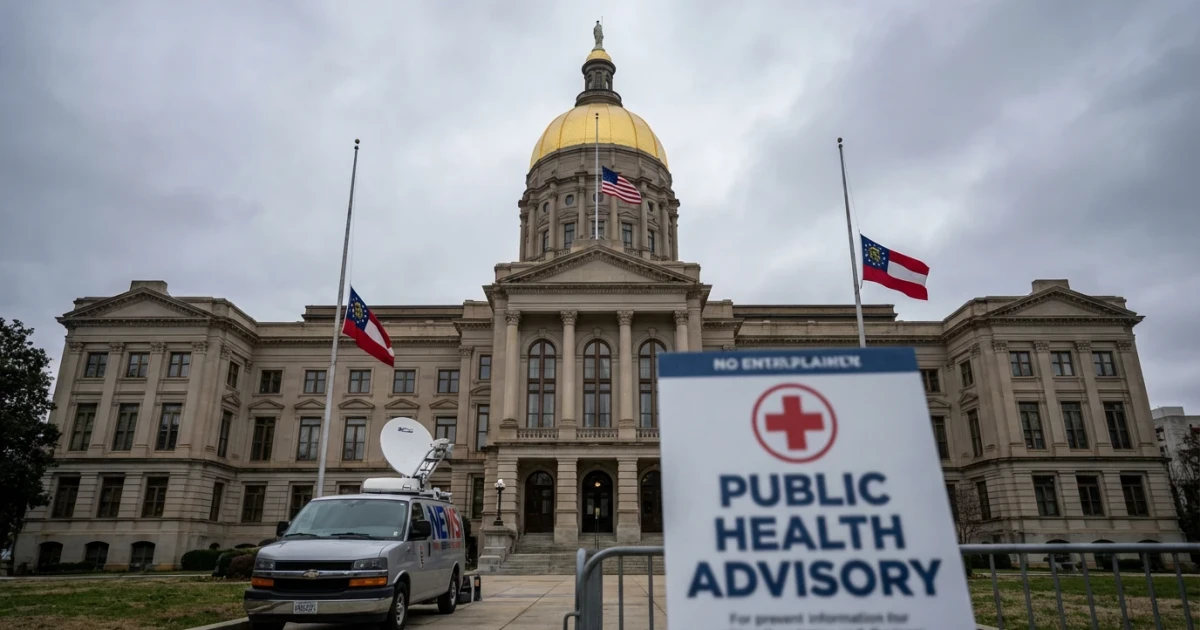
Georgia has recorded its second measles case of 2026, with health officials confirming that an unvaccinated resident in Bryan County has been diagnosed with the highly contagious disease. This development comes as national health authorities continue to warn of rising measles cases and the critical importance of vaccination.
Details of the Recent Case
Reports from WSB-TV and 11Alive indicate the latest case involves an unvaccinated individual from Bryan County. This is the second confirmed case in Georgia this year, highlighting ongoing concerns about vaccine-preventable diseases within the state. While the specific circumstances of exposure remain under investigation, state health authorities are working to identify and notify anyone who may have come into contact with the patient.
Public Health Response and Risk
- Measles is highly contagious, with the virus able to live in the air and on surfaces for up to two hours after an infected person leaves the area.
- According to the Georgia Department of Public Health, measles can be especially dangerous for infants, pregnant women, and those with weakened immune systems.
- Officials are urging residents to review their vaccination status and ensure they are protected, as most measles cases in recent years have occurred among unvaccinated individuals.
Vaccination Coverage and Prevention
The Centers for Disease Control and Prevention (CDC) emphasizes that the measles, mumps, and rubella (MMR) vaccine is highly effective, providing long-lasting immunity in more than 97% of individuals who receive the recommended two doses. Despite this, vaccine hesitancy and missed childhood vaccinations have contributed to outbreaks in several regions.
Health experts recommend that anyone who is unsure of their vaccination status consult with their healthcare provider. In the event of exposure, individuals who are not immune may receive post-exposure prophylaxis to reduce the risk of developing measles.
National Trends and Local Context
- The CDC reports that measles cases in the United States have increased in recent years, often linked to international travel or pockets of low vaccination rates.
- Georgia's Department of Public Health has issued advisories and resources to help communities respond to potential exposures and limit further spread.
- Measles can cause serious complications such as pneumonia, brain swelling, and, in rare cases, death, especially in vulnerable populations. More information about the disease, its symptoms, and prevention can be found at the CDC's measles explainer page.
What Residents Should Do
Public health authorities continue to monitor the situation and encourage the public to help prevent further transmission by:
- Ensuring all family members are up to date on MMR vaccinations
- Watching for symptoms such as high fever, cough, runny nose, and rash, especially after possible exposure
- Contacting a healthcare provider immediately if measles is suspected
Looking Ahead
With the confirmation of a second measles case in Georgia this year, officials are reinforcing the message that vaccination remains the best defense against outbreaks. Continued vigilance, public awareness, and timely immunization are crucial to protecting communities from preventable diseases like measles.