Politics
Section 702 spy law lapses after Congress rejects extension
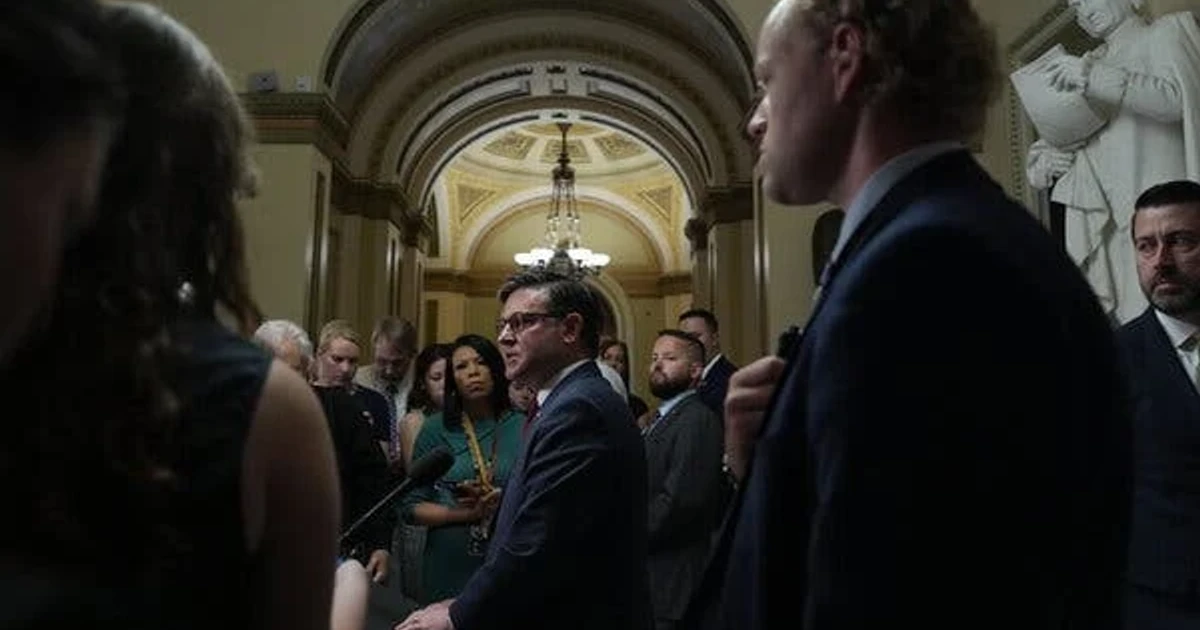
Congress’s failure to extend Section 702 did not switch off U.S. surveillance overnight. The law that lets intelligence agencies collect foreigners’ communications abroad without individualized warrants expired after the House rejected a short-term extension in a 198-218 vote, but existing Foreign Intelligence Surveillance Court certifications approved in March 2026 reportedly remain in place through March 2027.
That gap between the political headline and the legal reality is the heart of the fight. Section 702, enacted in 2008, has long been sold as a national-security tool that helps the National Security Agency and the Federal Bureau of Investigation track foreign targets outside the United States. Critics have argued it has also swept up Americans’ communications incidentally and, in some cases, been used too loosely once those messages entered government databases.
The immediate collapse in Congress was driven as much by a separate personnel fight as by surveillance policy itself. President Donald Trump’s appointment of Bill Pulte, the Federal Housing Finance Agency director, as acting director of national intelligence became a flashpoint, and Democrats said they would not back renewal while that decision stood. Senate Democrats and some Republicans blocked debate on reauthorizing the authority, and the House vote on June 11 included 19 Republicans joining most Democrats against the extension. A last-ditch Senate effort also failed, setting up the first lapse since the law was created.
What expires now is the statutory authority to renew Section 702 on its usual terms, not every collection activity connected to it. That distinction matters. The court certifications already approved in March can keep some surveillance running, which means intelligence officials do not face an immediate blackout. But the lapse still weakens the legal footing for future collection and leaves lawmakers without the clean renewal they have repeatedly granted before.
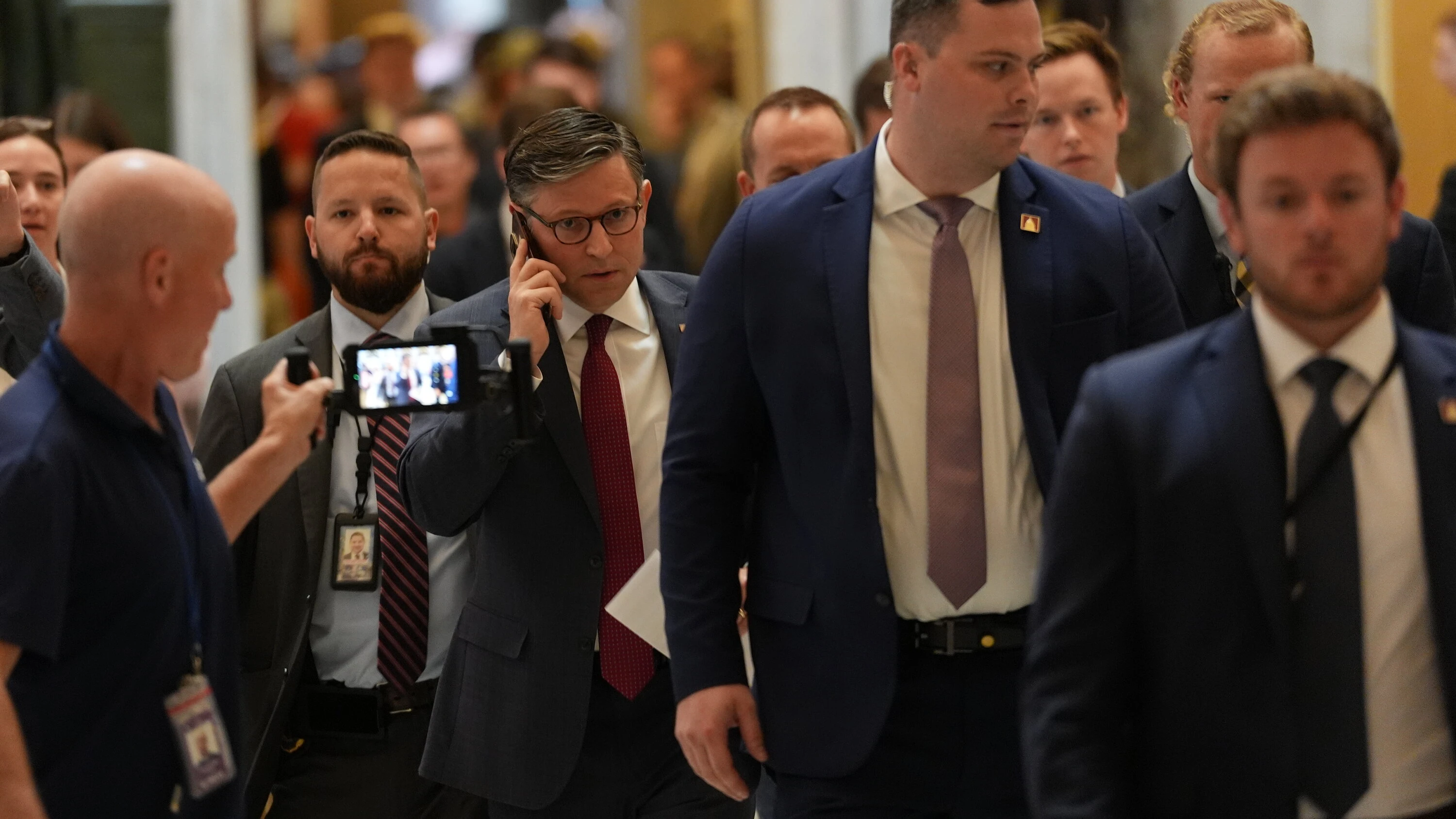
The privacy debate is not theoretical. In December 2019, the Foreign Intelligence Surveillance Court found widespread violations by the FBI in how it queried the Section 702 database, including improper access to U.S.-person communications in some cases without the required court order. Those findings, along with the broader surveillance backlash that followed the Snowden revelations, hardened the argument that oversight has been too weak for a power this broad.
For national-security hawks, the lapse opens a dangerous blind spot in monitoring foreign threats. For civil-liberties advocates, it exposes how much warrantless surveillance had become normalized. The result is a rare moment when the law’s expiration changes the politics immediately, but the surveillance machine only partly and imperfectly.
Sources
- [1]nytimes.com
- [2]politico.com
- [3]usnews.com
- [4]cbsnews.com
- [5]washingtonpost.com
- [6]legis1.com
- [7]apnews.com